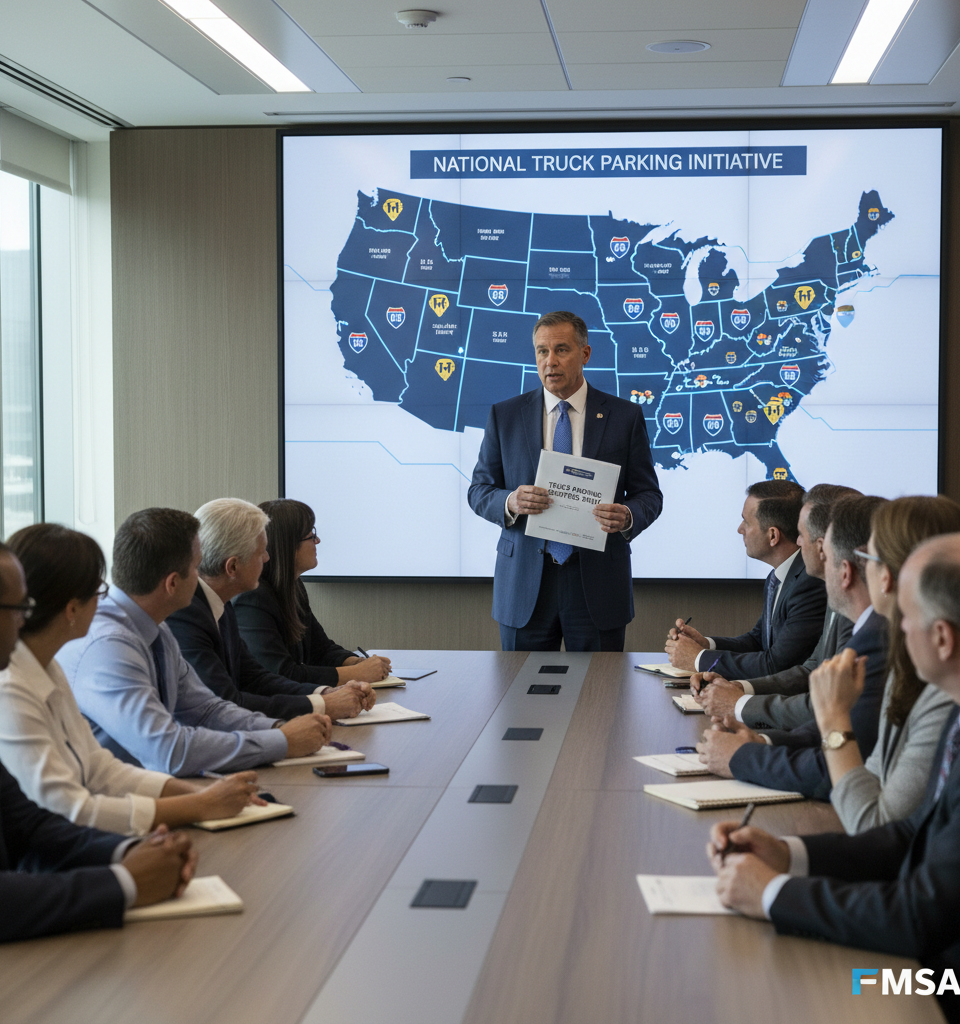
WASHINGTON D.C. — The Federal Motor Carrier Safety Administration (FMCSA) has formally commenced its previously announced in-depth study into the chronic shortage of safe and adequate parking for commercial truck drivers across the United States. This critical undertaking, a direct response to longstanding industry concerns, seeks to quantify the scale of the problem, identify its root causes, and solicit comprehensive feedback from stakeholders, including drivers, carriers, logistics providers, and state transportation officials, to inform potential regulatory and infrastructure solutions. The study’s launch marks a significant step toward addressing a bottleneck that consistently compromises driver safety, operational efficiency, and the integrity of the nation's supply chain.
Context and the Pervasive Parking Problem
The scarcity of truck parking has long been a top-tier issue for the trucking industry. Estimates from various industry bodies, including the American Transportation Research Institute (ATRI), consistently rank parking availability among the top three concerns for truck drivers. This pervasive problem forces drivers to spend valuable driving hours searching for parking, often leading to illegal parking on highway shoulders, exit ramps, and abandoned lots. Such practices not only create significant safety hazards for both truck drivers and the motoring public but also contribute to driver fatigue and operational delays. The FMCSA's commitment to a dedicated study underscores the federal government's recognition of this escalating crisis and its profound implications for interstate commerce and national security.
Study Specifics and Call for Comments
The FMCSA’s study, mandated by Congress, will involve extensive data collection and analysis. Key areas of investigation include the geographic distribution of parking shortages, the impact on driver hours-of-service compliance, the economic costs associated with parking scarcity, and potential technology-based solutions. The agency has opened a public comment period, inviting all interested parties to submit data, anecdotes, and recommendations. This public input is crucial, as it will provide real-world perspectives that complement quantitative data, ensuring the study's findings are grounded in the lived experiences of those most affected by the parking crisis. Comments can be submitted via the Federal Register docket, with a deadline expected in the coming months.
Industry Impact and Economic Fallout
The economic ramifications of the truck parking shortage are substantial. According to ATRI's 2023 report, drivers spend an average of 56 minutes per incident searching for safe parking. Cumulatively, this translates into billions of dollars in lost productivity annually for the trucking industry. Beyond direct economic costs, the parking dilemma exacerbates the driver shortage by making the profession less appealing, especially for new entrants. It also contributes to higher operating costs for carriers due to extended transit times, increased fuel consumption from searching for spots, and potential citations for illegal parking. Reliable, accessible parking is a foundational element for a functioning supply chain, making this study critical for long-term economic stability.
Expert Perspectives and Potential Solutions
Industry analysts and advocacy groups have widely applauded the FMCSA’s initiative but stress the need for actionable outcomes. "This study needs to move beyond just identifying the problem; it must lay the groundwork for a coordinated national strategy," commented Sarah Jenkins, a transportation policy expert at the Trucking Policy Institute. Experts suggest that solutions will likely involve a multi-pronged approach, including increased public-private partnerships, leveraging technology for real-time parking availability information, incentivizing states to expand existing facilities, and innovative zoning changes to permit more commercial vehicle parking near logistics hubs. The success of the study will hinge on its ability to translate findings into tangible, long-term infrastructure investments.
Looking Ahead: From Study to Policy Implementation
Upon completion, the FMCSA study is expected to produce a detailed report outlining its findings and recommendations to Congress and the public. This report will serve as a foundational document for future policy development, potential legislative action, and the allocation of federal funding for infrastructure projects aimed at alleviating the parking crunch. While the immediate impact will be data gathering and analysis, stakeholders are keenly awaiting the proposed solutions and a clear roadmap for their implementation. The agency's commitment to soliciting broad public comment suggests an inclusive approach, which will be vital for developing solutions that are both effective and widely supported by the diverse interests within the freight ecosystem. The ultimate goal is to enhance driver safety, improve supply chain efficiency, and bolster the resilience of America's transportation network.