Cross-border supply chains for automotive components and raw materials will feel the efficiency improvements from Ford's plant upgrades. Optimized production flow at key facilities can stabilize and potentially reduce sourcing costs for global operations.
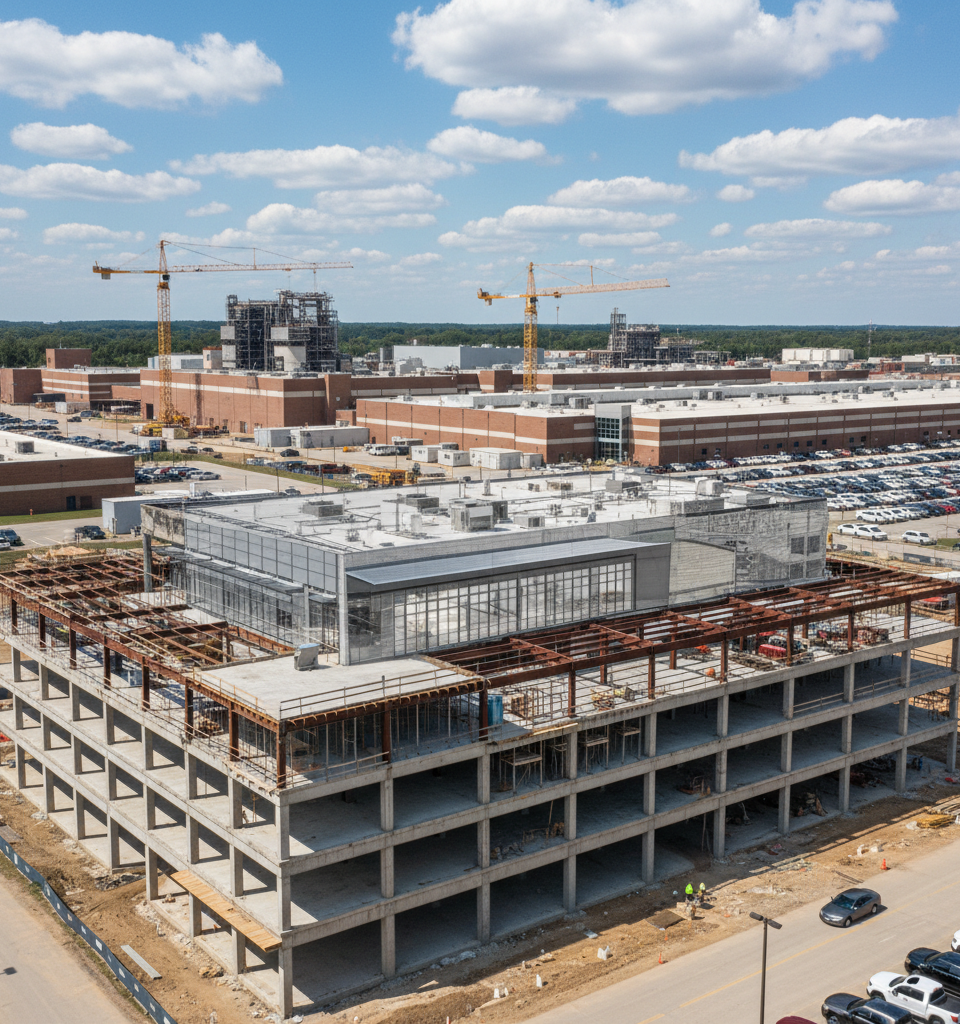
Ford announced a significant capital injection of $1 billion into its crucial Kentucky assembly plant, a facility responsible for producing some of its highest-revenue vehicles. This investment, centered on the construction of a new, state-of-the-art paint shop, aims to considerably boost the plant's overall efficiency. The focus remains on enhancing the production capabilities for Ford's popular truck and SUV models, which are critical to the automaker's financial performance.
Context and Strategic Importance
The Kentucky Truck Plant, located in Louisville, is a cornerstone of Ford's North American manufacturing operations. It is responsible for assembling highly profitable models such as the Ford Super Duty pickup trucks, the Ford Expedition, and the Lincoln Navigator. These large vehicles consistently rank among the company's best-selling and highest-margin products. The decision to invest heavily in this particular plant underscores Ford's strategy to fortify its leadership in the truck and SUV segments, which continue to drive a substantial portion of its global profits.
Key Details of the Investment
The centerpiece of this $1 billion investment is the new paint shop. Modern paint processes are vital for both production speed and the quality finish of vehicles. By introducing advanced painting technology and improved process flows, Ford expects to streamline a critical bottleneck in the manufacturing line. This upgrade will allow for faster throughput and potentially reduce energy consumption and waste, aligning with broader industry trends towards more sustainable manufacturing practices. The improved efficiency is anticipated to translate directly into increased output capacity for the popular truck and SUV models assembled there.
Industry and Market Impact
This investment signals Ford's proactive approach to maintaining its competitive edge in a demanding automotive market. With increasing competition from both traditional rivals and emerging electric vehicle manufacturers, optimizing production for core internal combustion engine (ICE) products remains crucial. The move is likely to be viewed positively by investors, as it demonstrates a commitment to operational excellence and securing revenue streams from proven sellers. For the broader automotive industry, it highlights the ongoing need for substantial capital expenditure to modernize facilities and adapt to evolving production requirements.
Future Implications
The enhancements at the Kentucky Truck Plant are expected to bolster Ford's ability to meet robust consumer demand for its full-size trucks and SUVs. A more efficient production line can help reduce delivery times and improve customer satisfaction. Furthermore, by strengthening its manufacturing base for these profitable vehicles, Ford positions itself to generate capital that could be reinvested into other strategic areas, including its burgeoning electric vehicle portfolio and autonomous driving technologies. This long-term view aims to ensure the company's sustained profitability and future growth in a rapidly changing automotive landscape.