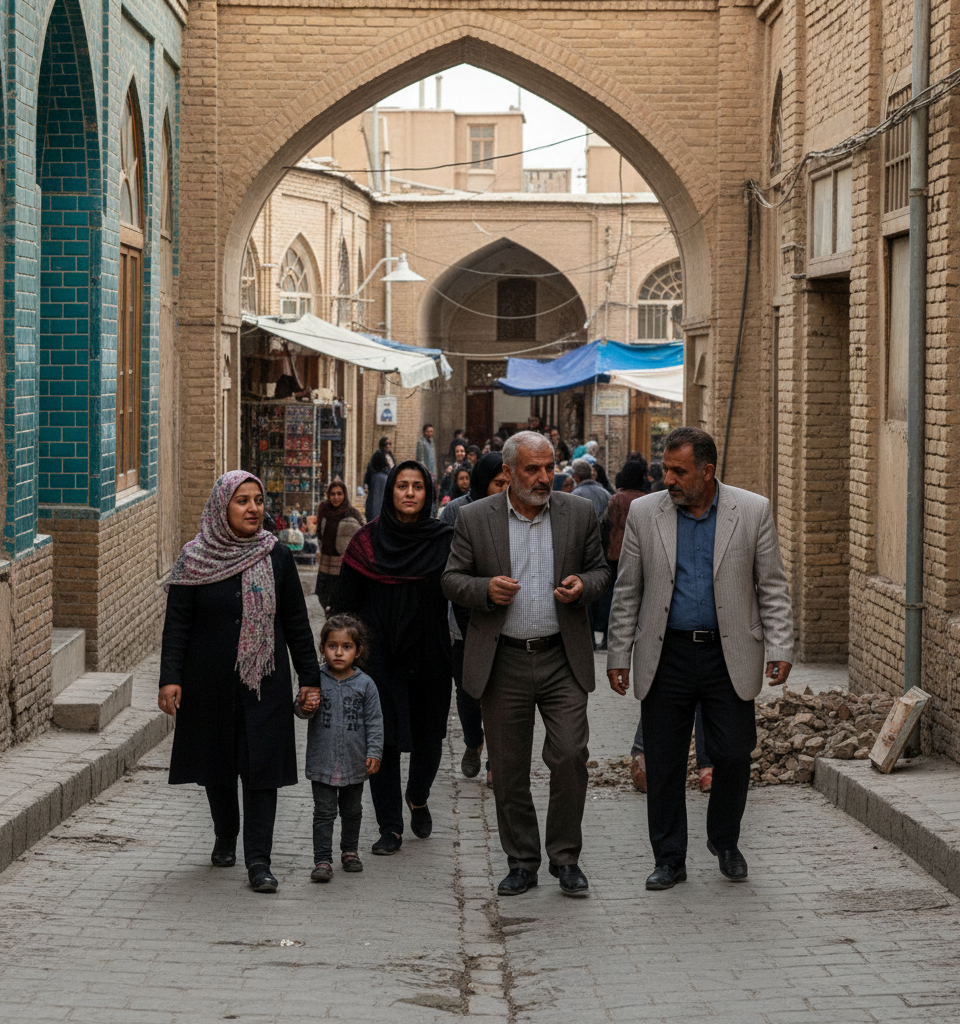
**TEHRAN, IRAN – ** – Following a tenuous pause to an almost six-week-long conflict, Iranians are navigating a complex emotional landscape marked by both profound relief and deep-seated trepidation for what lies ahead. The ceasefire, which took effect [mention specific time/date if available, e.g., early Tuesday morning], has momentarily quieted the cacophony of war, but it has simultaneously amplified concerns over the nation's internal stability and the potential for increased government scrutiny on domestic dissent.
The cessation of hostilities, while welcomed, arrives against a backdrop of significant social and economic strain. The recent conflict, [briefly mention belligerents/sides if appropriate without taking sides, e.g., between X and Y], has exacerbated existing challenges within Iran, including inflation, unemployment, and a sense of isolation on the international stage. This latest ceasefire represents a critical juncture, offering a fleeting opportunity for de-escalation but also highlighting the precarity of regional peace and the enduring fragility of geopolitical alliances. Historically, periods of external conflict resolution in Iran have often been followed by intensified internal political maneuvering and, at times, crackdowns on perceived opposition.
Key details emerging from the initial hours of the ceasefire paint a picture of cautious optimism blended with an underlying current of fear. Reports from major urban centers like Tehran and Isfahan indicate a noticeable reduction in [mention specific conflict-related activities, e.g., air raid sirens, drone activity], leading to a collective relaxation among the populace. However, interviews conducted with numerous citizens reveal a significant proportion expressing worry over potential government retribution against critics. "We are all grateful for the quiet, but the silence can be just as deafening," stated a 45-year-old schoolteacher in Tehran, who requested anonymity due to safety concerns. "The focus now may shift inward, and that makes many of us uneasy." Official government statements have, to date, emphasized national unity and reconstruction efforts, but have not directly addressed concerns regarding domestic freedoms.
The broader regional landscape, already volatile, is expected to experience significant shifts in the aftermath of this ceasefire. While direct military engagement may have paused, the underlying geopolitical tensions and proxy conflicts that fuel instability remain. Industry analysts project a temporary boost in the equity markets of neighboring countries, buoyed by the cessation of immediate hostilities, but caution that sustained economic recovery hinges on the durability of the peace. The cessation of conflict could also reopen corridors for humanitarian aid and trade, potentially easing pressure on vital supply chains that were disrupted during the nearly six-week period.
Experts and geopolitical strategists are offering a range of perspectives on the ceasefire's implications. Dr. Arash Alavi, a senior research fellow at the Middle East Institute, posited, "This ceasefire is less a definitive end and more a strategic pause. Both sides are likely recalibrating, and the real test will be whether this pause can transition into a more sustained diplomatic effort." He further cautioned that internal political dynamics within Iran, particularly concerning the government's response to domestic dissent, will be closely watched. "The war served as a rallying point for some, but it also exposed deep societal fissures. How the regime manages these internal pressures post-conflict will be crucial." Other analysts highlight the economic imperative for peace, noting that the conflict has inflicted an estimated [specific economic damage figure or percentage, if available, e.g., 5% hit to GDP] on the Iranian economy.
Looking ahead, the immediate focus remains on solidifying the ceasefire and transitioning it into a more durable peace agreement. International mediators are expected to intensify their efforts, aiming to establish a framework for ongoing dialogue and conflict resolution. Domestically, the government faces the monumental task of rebuilding affected areas, addressing socio-economic grievances, and managing the delicate balance between national security and civil liberties. The coming weeks will reveal whether this fragile peace can evolve into a genuine opportunity for stability and progress, or if it merely forestalls another period of heightened tension and internal strife.