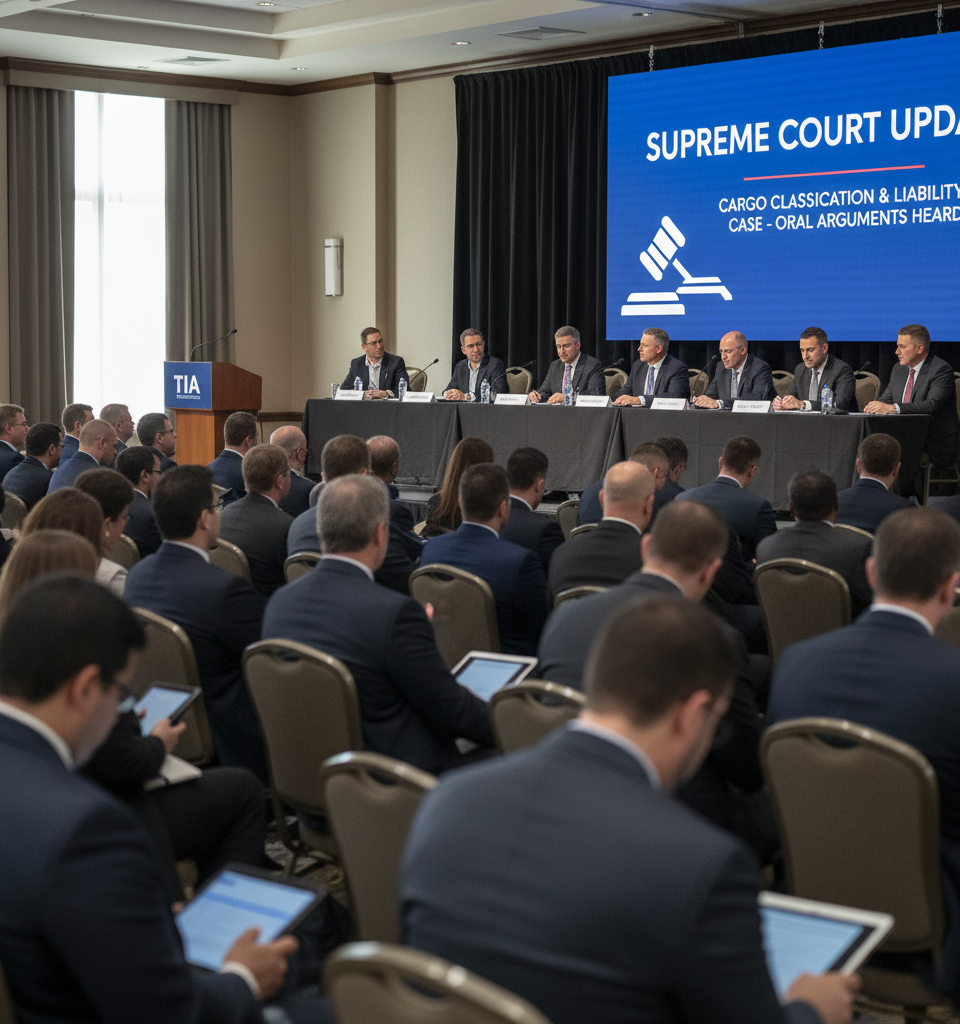
PHOENIX, AZ – April 11, 2024 – The annual Transportation Intermediaries Association (TIA) conference, a pivotal gathering for freight brokers, was dominated this week by palpable anxiety and strategic discussions surrounding an impending Supreme Court decision on broker liability. As thousands of industry professionals convened in Phoenix, the 0-14 case, closely watched for its potential to reshape the legal landscape of freight transportation, cast a long shadow over networking events and panel discussions. The ruling, expected in the coming months, threatens to significantly alter how brokers manage risk, vet carriers, and operate within the complex supply chain.
The Looming Legal Precedent
At the heart of the industry's concern is the Montanez v. U.S. AutoLogistics case (though often referred to by its docket number for now, or similar ongoing cases that reached SCOTUS), which challenges the scope of broker responsibility in incidents involving contracted carriers. Historically, brokers have largely enjoyed protections under federal preemption, specifically the Federal Aviation Administration Authorization Act (FAAAA) of 1994, which aimed to prevent states from enacting economic regulations on interstate transportation intermediaries. The current legal challenge seeks to narrow this preemption, potentially opening brokers to increased liability under state tort laws for negligence in carrier selection or oversight. This shift could dismantle a cornerstone of how the freight brokerage model has operated for decades, ushering in an era of unprecedented legal exposure.
Conference Buzz and Industry Perspectives
Throughout the TIA conference, conversations regarding the Supreme Court case were ubiquitous, permeating keynote speeches, breakout sessions, and hallway discussions. Attendees, ranging from small independent brokers to executives of large publicly traded firms, expressed a mix of apprehension and proactive planning. One panel, “Navigating the New Liability Landscape,” drew standing-room-only crowds, with attorneys advising brokers to meticulously document carrier vetting processes, enhance insurance coverages, and consider more stringent contract clauses. The estimated potential financial impact on the industry, should the ruling favor increased liability, is staggering, with some analysts forecasting a potential increase in insurance premiums by 20-30% and a significant uptick in litigation costs.
Impact on the Broader Logistics Ecosystem
Beyond freight brokers themselves, the Supreme Court's decision will send ripple effects across the entire logistics and supply chain ecosystem. Carriers, shippers, and even end consumers could feel the impact. If brokers face higher liability risks, they will likely pass on increased operational costs through higher service fees. This could lead to upward pressure on freight rates, impacting the cost of goods. Furthermore, stricter vetting requirements for carriers, while potentially enhancing safety, could inadvertently sideline smaller, independent owner-operators who may struggle to meet more rigorous compliance standards, thus reducing capacity in certain segments of the market. Shippers, in turn, may find themselves re-evaluating their own due diligence in selecting brokers.
Expert Analysis and Mitigation Strategies
Legal experts and industry analysts at the TIA conference emphasized the critical need for brokers to prepare for various outcomes. "The era of passive reliance on FAAAA preemption may be drawing to a close," warned regulatory attorney Sarah Jenkins. "Brokers must proactively strengthen their risk management frameworks, embracing best practices in carrier qualification, continuous monitoring, and robust contractual agreements." She underscored the importance of comprehensive insurance policies, including professional liability and contingent auto, and encouraged investing in advanced compliance technologies that can verify carrier credentials in real-time. Several technology vendors showcased new platforms designed specifically to enhance carrier vetting and compliance, indicating a burgeoning market driven by legal uncertainty.
What Lies Ahead: Preparing for a New Reality
The Supreme Court's decision is anticipated before the end of its current term in late June or early July. Regardless of the specific outcome, the freight brokerage industry is on the cusp of a significant transformation. Should the Court narrow federal preemption, brokers can expect a surge in state-level litigation and a fundamental re-evaluation of their operational models. Conversely, even a favorable ruling might not fully quell concerns, as the ongoing scrutiny highlights the evolving expectations of responsibility within the increasingly complex and digitalized logistics sector. Industry leaders at TIA committed to ongoing collaboration with policymakers and legal experts, advocating for clear regulations that promote safety without stifling the efficiency and innovation that freight brokers provide to the nation’s supply chain. The coming months will undoubtedly define the future trajectory of freight intermediation in the United States.