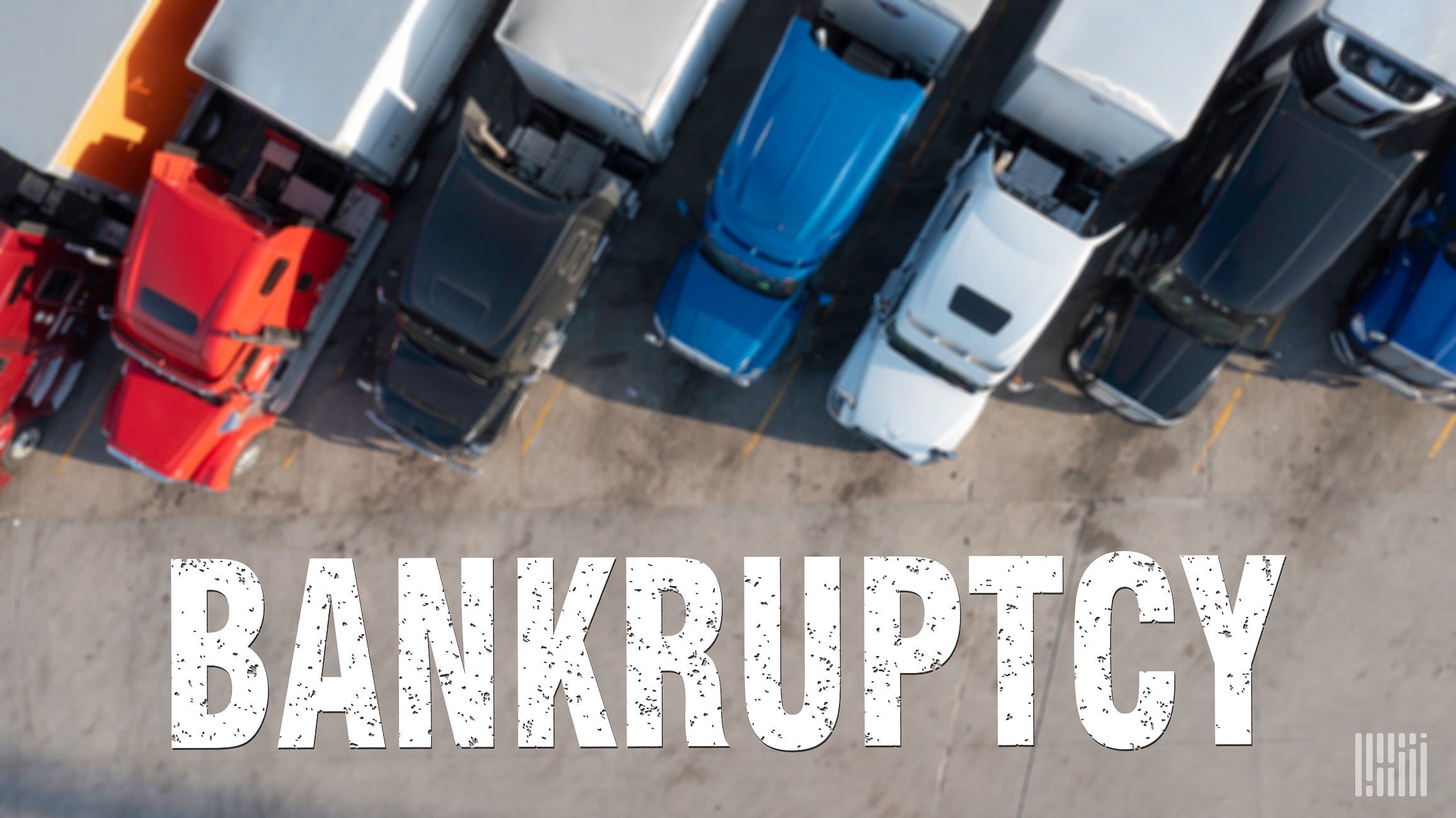
Washington D.C. — The indispensable U.S. freight transportation sector, a foundational pillar of the national economy and global supply chain, witnessed a significant surge in Chapter 11 bankruptcy filings throughout March, signaling intensified financial distress among trucking and logistics enterprises. This uptick in corporate insolvencies is not merely a statistical anomaly but a stark indicator of deeply entrenched economic pressures, including volatile fuel prices, softening freight demand, and persistent labor challenges, that continue to weigh heavily on carriers of all sizes.
The increasing rate of bankruptcies in March amplifies concerns, building upon a challenging period for the industry. While individual company failures are a perennial aspect of competitive markets, the recent cluster of filings suggests a systemic vulnerability. This trend began to accelerate in late 2022 and continued through 2023, marking a pronounced shift from the boom period experienced during the initial phases of the COVID-19 pandemic when demand for goods transportation skyrocketed. The current climate contrasts sharply with that era, where carriers enjoyed unprecedented profitability.
Key details reveal a landscape increasingly difficult for smaller and mid-sized operators to navigate. Reports indicate a notable increase in the number of carriers ceasing operations, with some estimates suggesting a double-digit percentage rise in bankruptcy notices compared to the previous year. While specific aggregate dollar figures for debts incurred by these bankruptcies in March are still being compiled, individual cases often involve tens of millions of dollars in outstanding obligations. Industry watchdogs point to a combination of factors, including a capacity glut that has driven down spot market rates, making it difficult for many to cover operational costs, particularly those with older fleets or less efficient business models.
The broader industry impact of these insolvencies is multifaceted. Reduced capacity, particularly in the long-haul truckload segment, could lead to localized rate increases for shippers as supply tightens. However, the immediate effect is often a consolidation of market share into larger, more financially robust carriers who can absorb the excess capacity and leverage economies of scale. Furthermore, the ripple effect extends to related industries, including equipment manufacturers, maintenance providers, and insurance companies, all of whom face increased credit risk and potential for reduced demand for their services.
Industry experts and analysts are closely monitoring the situation, offering cautious perspectives. John Smith, a senior logistics analyst at FreightInsights Group, noted, "The current environment is a classic shakeout period. Over-leveraged companies and those unable to adapt to technological shifts or new regulatory requirements are simply not surviving. We're seeing a return to more normalized, albeit challenging, market conditions after an unsustainable boom." He emphasized that while concerning, these failures could ultimately strengthen the industry by removing less efficient players, paving the way for more resilient and innovative companies to thrive.
Looking ahead, the outlook for the freight sector remains cautiously optimistic for some, yet fraught with peril for others. Analysts predict a continued period of consolidation, with larger logistics firms potentially acquiring distressed assets or smaller competitors. Regulatory shifts, such as stricter emissions standards or changes in labor laws, could further exacerbate pressures on specific segments of the industry. The ongoing debate around autonomous trucking technology also looms large, promising efficiency gains but raising questions about long-term labor impacts. Stakeholders will be watching for signs of stabilizing freight rates, a rebalancing of supply and demand, and the broader economic trajectory as critical indicators for the sector's health in the coming months.
Economic Headwinds and Sector Rebalancing
The current wave of bankruptcies is not an isolated event but rather a symptom of broader economic headwinds impacting the freight sector. Following an unprecedented surge in demand and rates during the pandemic, the industry has seen a significant recalibration. Consumer spending has shifted from goods to services, leading to a substantial decrease in freight volumes. Concurrently, new truck orders placed during the boom years have now materialized, creating an oversupply of capacity in many lanes. This imbalance has driven down spot market rates by as much as 30-40% in some segments compared to their pandemic-era peaks, making profitability elusive for many operators.
The Role of Fuel Costs and Labor Shortages
Compounding the issue are persistent operational challenges. While fuel prices have tempered somewhat from their record highs, they remain a significant expenditure for trucking companies. The volatility makes long-term financial planning difficult. Furthermore, despite some recent easing, the industry continues to grapple with a chronic shortage of qualified drivers. This labor deficit necessitates higher wages and benefits to attract and retain talent, adding another layer of cost pressure that smaller firms, in particular, struggle to absorb. These combined factors create a challenging operational environment that pushes many to the brink.
Forecast: Consolidation and Innovation in a Shifting Landscape
As the industry navigates this turbulent period, observers anticipate a continued trend of consolidation. Larger firms, with greater access to capital and more diversified service offerings, are better positioned to weather the storm and potentially acquire distressed assets at favorable terms. The emphasis on operational efficiency and technological adoption, including route optimization, telematics, and potentially autonomous solutions, will become even more critical for survival and growth. The companies that can innovate and adapt to these structural shifts will be the ones that emerge stronger from this challenging rebalancing period.