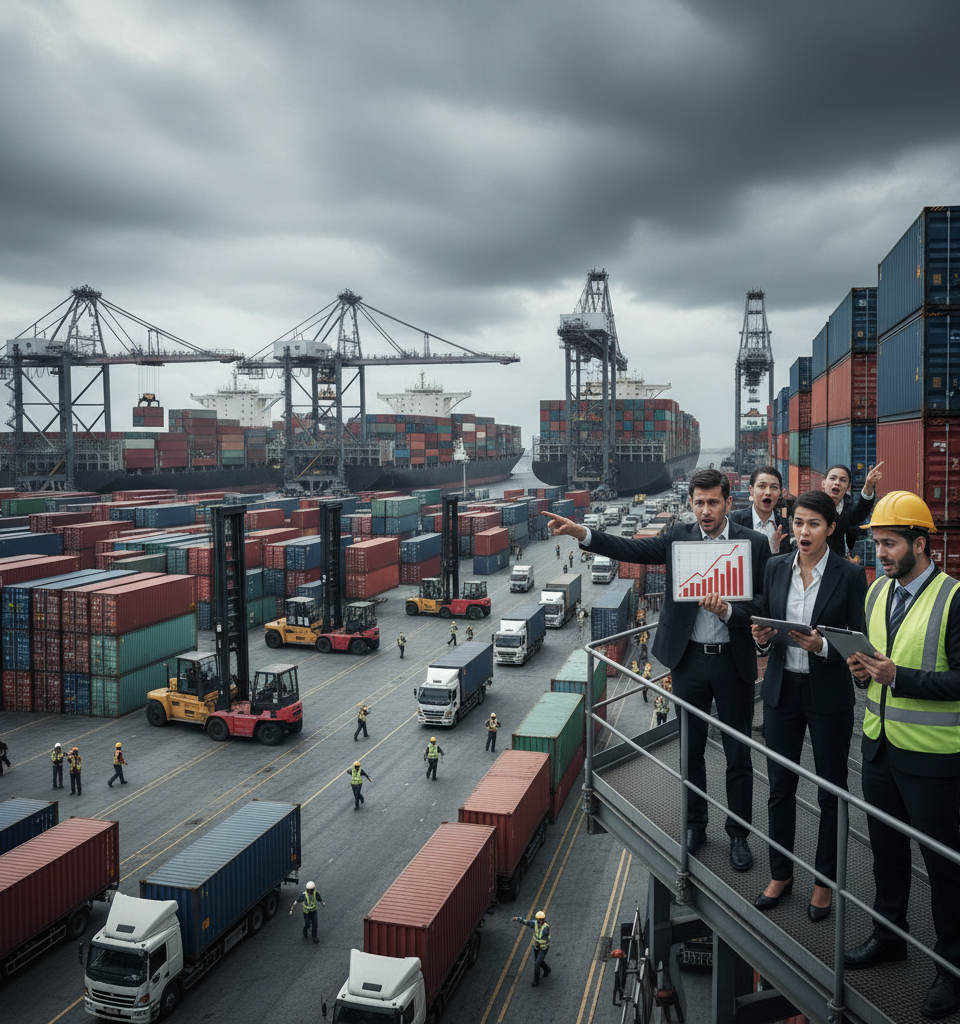
The freight industry is currently experiencing a notable uptick in load board activity, a phenomenon that began in late April and has accelerated throughout May 2026. However, this surge is not indicative of the long-awaited organic market recovery that many, especially small- and medium-sized carriers, have been anticipating for nearly three years. Instead, it is predominantly driven by a strategic, and in some cases panicked, front-loading of imports by shippers attempting to circumvent impending tariffs. This artificial demand signal creates a potentially misleading picture of market health, raising concerns about future stability once the immediate tariff threat subsides.
Contextualizing the Current Freight Landscape
For the past several years, the freight market has been characterized by overcapacity and intense rate pressure, leading to significant financial strain for many trucking companies. The expectation of a market rebound has been a constant refrain, yet sustained, organic demand growth has largely eluded the sector. The current uptick, while welcomed by some as a temporary respite, fundamentally differs from a true recovery. A genuine recovery would stem from increased consumer spending, robust manufacturing output, and stable inventory rebalancing – factors currently overshadowed by geopolitical and trade policy uncertainties. This distinction is critical for understanding the long-term health and trajectory of the logistics industry.
Drivers of the Artificial Spike
The primary catalyst for this current freight surge is the proactive maneuvering by shippers to mitigate the financial impact of potential tariffs on goods imported from key regions, particularly China and Mexico. Tariffs, or duties, imposed on imported goods raise their cost, making them less competitive. By accelerating import schedules, shippers aim to bring goods into the country before these new or increased tariffs come into effect. This creates a temporary glut of freight, as companies rush to fill warehouses and distribution centers with pre-tariff inventory. While specific figures on the percentage of current freight attributed to tariff front-loading are still emerging, industry estimates suggest a substantial portion, potentially exceeding 60-70% of the recent volume increase, is directly linked to these strategic moves.
Broader Industry and Economic Impact
While the immediate effect of increased freight volumes might appear positive on the surface, particularly for carrier utilization, the underlying cause presents significant risks. This tariff-induced demand spike distorts true market signals, making it difficult for carriers and logistics providers to accurately forecast future demand and plan operational strategies. Small carriers, often operating on thin margins, might invest in capacity or labor based on this temporary demand, only to face a precipitous drop once the front-loading period ends. Furthermore, the practice of stuffing warehouses with tariff-exempt inventory could lead to excess stock for some businesses, potentially impacting future purchasing and market demand once these inventories are worked through.
Expert Analysis and Concerns
Logistics analysts and industry experts are largely in agreement regarding the transient nature of the current surge. "This is a sugar rush, not a sustained energy boost," remarked one prominent freight analyst recently, emphasizing that the underlying economic fundamentals have not shifted dramatically enough to justify such rapid, organic growth. Concerns are also mounting over the potential for a subsequent 'freight cliff' once the tariff risk has either materialized or passed. This anticipated downturn could be more severe than typical seasonal fluctuations, potentially pushing an already fragile trucking sector back into deeper distress, especially if rate gains achieved during this period are not sustained.
Looking Ahead: Navigating Uncertainty
The immediate future for the freight market appears highly contingent on tariff policy developments. Should new tariffs be implemented as anticipated, the front-loading will likely subside, followed by a potential lull in demand as companies digest their pre-tariff inventories. Conversely, if tariff threats recede, the urgency to move goods will diminish, also impacting current volumes. Carriers, particularly smaller operations, are advised to exercise extreme caution in making long-term investment decisions based on current market conditions. Agile operational strategies, a strong focus on cost management, and diversification of customer bases will be critical for navigating this period of artificially inflated demand and the subsequent correction that is widely expected.
Strategic Preparedness for Carriers
For trucking companies, distinguishing between real and artificial demand cues is paramount. Rather than expanding fleets or taking on significant new debt, carriers should prioritize strengthening their balance sheets and improving operational efficiencies. Negotiating flexible contracts and carefully managing driver retention will be key. The lesson from previous market cycles, particularly the boom and bust of the pandemic-era freight market, underscores the importance of not being swayed by temporary spikes. The industry must prepare for the almost inevitable adjustment that will come once the current, politically driven demand dissipates, ensuring resilience against future volatility.