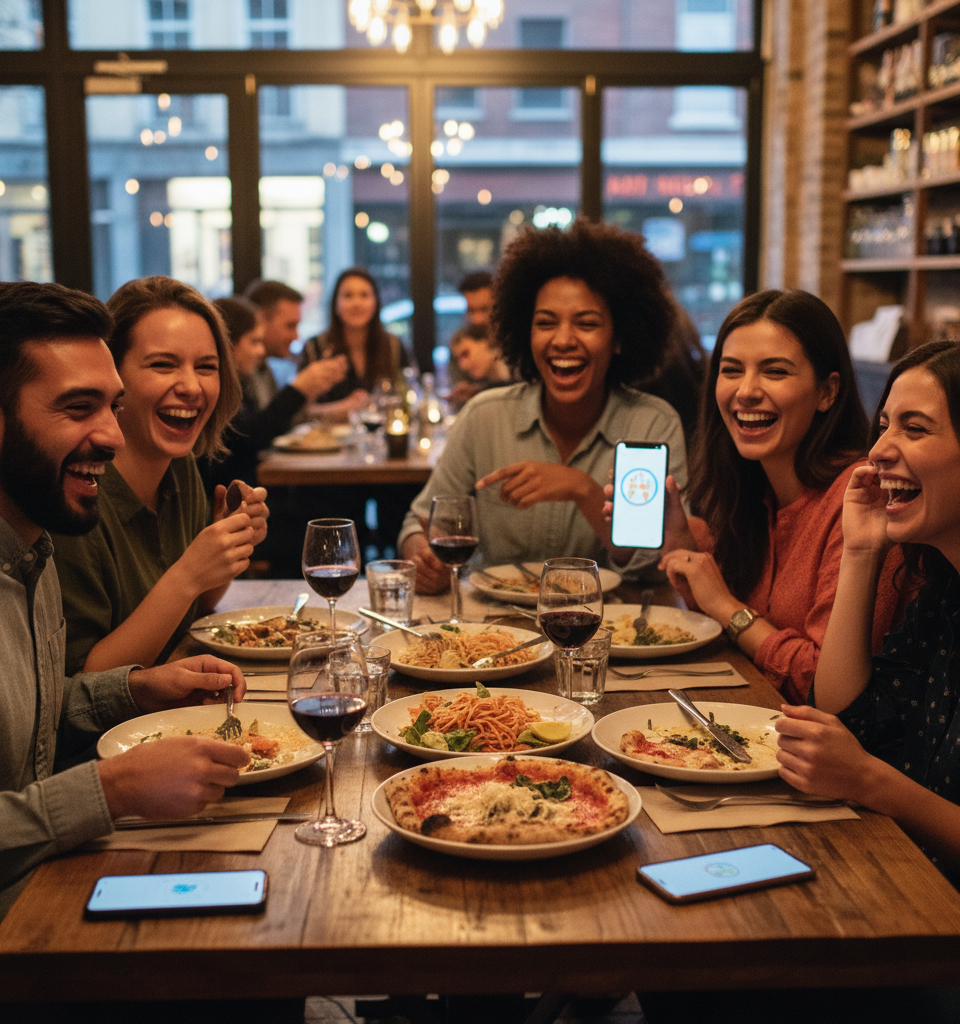
In an era marked by unprecedented digital connectivity yet escalating social isolation, a burgeoning industry of 'friendship apps' is rapidly gaining traction, offering novel avenues for individuals to forge new connections. This phenomenon, which has accelerated significantly in the post-pandemic landscape, sees platforms like Bumble's BFF mode, Timeleft, and others stepping in to fill a critical void, providing structured and spontaneous opportunities for social interaction across demographics. As traditional social circles contract and work-from-home models become prevalent, these apps are presenting themselves as essential tools in the quest for meaningful companionship.
The Loneliness Epidemic and the Quest for Connection
The rise of friendship apps is not merely a transient trend but a direct response to a profound societal challenge: the global loneliness epidemic. Studies indicate that a significant portion of adults, particularly millennials and Gen Z, report feeling lonelier than previous generations. For instance, a 2023 Cigna study found that 58% of American adults report feeling lonely, an increase from pre-pandemic levels. The traditional pathways to friendship—work, school, community groups—have been disrupted by remote work, geographic mobility, and busy lifestyles. This context has primed the market for digital solutions that can facilitate organic social interactions, making these apps a critical infrastructure for social well-being.
Diverse Platforms for Diverse Needs: A Closer Look at the Landscape
The landscape of friendship apps is diverse, catering to various preferences and social styles. Platforms such as Bumble BFF leverage dating app mechanics to help users find platonic connections based on shared interests and proximity. Timeleft, a European startup that recently expanded into the U.S., takes a different approach, orchestrating blind dinner parties for strangers with similar professional backgrounds and interests, fostering shared experiences. Other apps like Meetup specialize in connecting individuals around specific hobbies and activities, from book clubs to hiking groups. These platforms typically utilize sophisticated algorithms to match users, often incorporating detailed profiles, interest categories, and location-based services to enhance the likelihood of compatible connections. Recent figures suggest that Bumble BFF alone accounts for millions of monthly active users, demonstrating the considerable user base these apps are attracting.
Reshaping the Social Networking Industry and Community Building
This ascendant category is not only offering a lifeline to lonely individuals but also profoundly impacting the broader social networking industry. Traditional social media platforms, often criticized for their superficial engagement, are now facing competition from apps focused explicitly on deep, in-person connections. This shift signals a potential pivot in how digital communities are conceived and built, moving beyond passive consumption of content towards active participation and real-world interaction. Businesses, too, are starting to recognize the value of community-building platforms, with some integrating these tools to enhance employee morale or foster professional peer networks, indicating a broader applicability beyond purely personal friendships.
Expert Insights: From Digital Tools to Real-World Bonds
Social scientists and industry analysts largely view the proliferation of friendship apps as a positive development, albeit with caveats. Dr. Emily Johnson, a sociologist specializing in digital communities, notes, "These apps are not replacing organic friendships; rather, they are opening new doorways for serendipitous connections that might not otherwise occur in our increasingly fragmented lives." However, she cautions, "The onus remains on the individual to translate digital matches into meaningful, sustained real-world relationships." Technology analysts also highlight the potential for data privacy concerns and the challenge of managing user expectations, as the success of these platforms hinges on their ability to consistently facilitate positive and safe interactions.
The Future of Friendship: Personalization, AI, and Niche Communities
Looking ahead, the friendship app market is poised for further innovation and expansion. Expect to see enhanced personalization driven by artificial intelligence, offering more sophisticated matching algorithms that consider psychological profiles and communication styles. The growth of niche friendship apps catering to specific demographics, interests, or life stages (e.g., new parents, expats, remote workers) is also anticipated. Furthermore, integration with augmented reality and virtual events could create hybrid social experiences, blurring the lines between digital and physical interaction. As society continues to navigate complex social dynamics, these apps may evolve into indispensable components of our social infrastructure, continuously adapting to meet the evolving human need for connection.
Ethical Considerations and the Path Forward
As these platforms gain prominence, ethical considerations surrounding user safety, data privacy, and the psychological impacts of algorithmic matching will become increasingly critical. Developers will face pressure to implement robust moderation systems and user support features to prevent misuse and foster genuinely supportive environments. The long-term success of the friendship app industry will depend not only on technological innovation but also on its ability to build trust and genuinely enhance the quality of human relationships in an ever-evolving digital world.