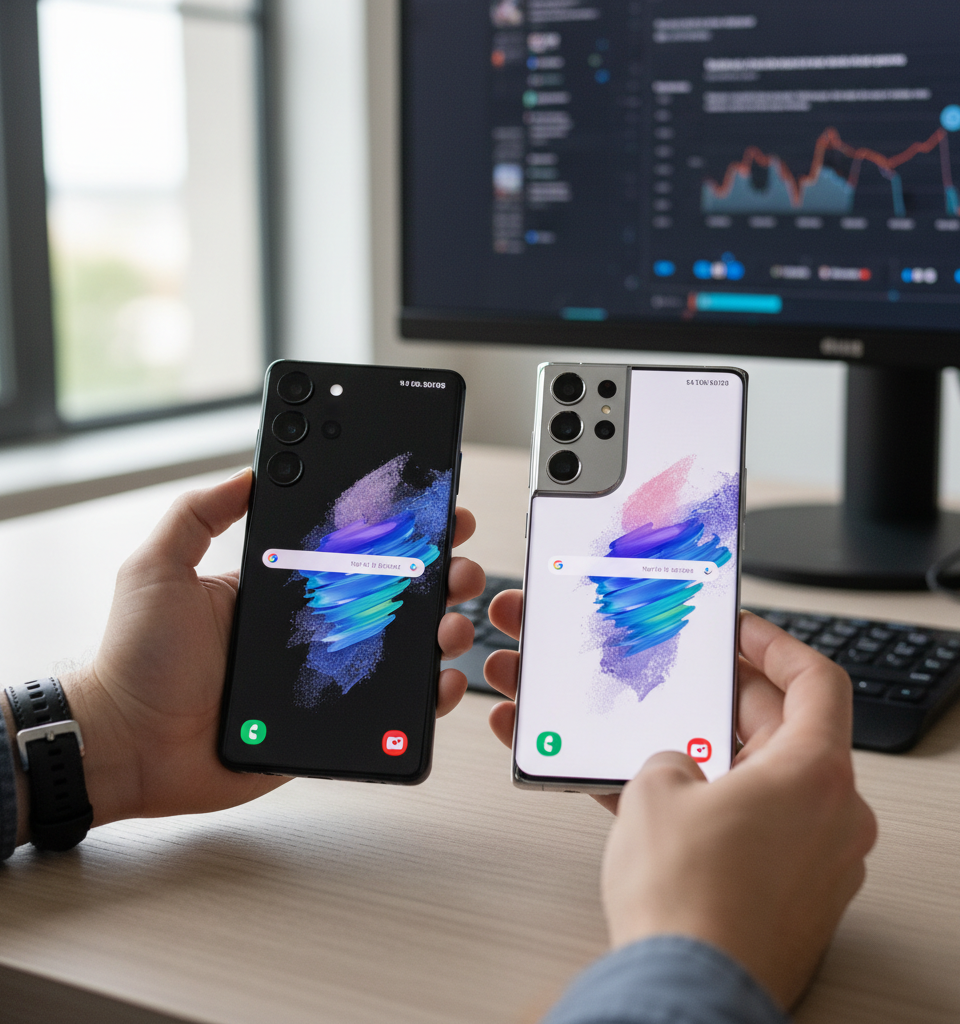
In a technology landscape often characterized by incremental annual updates, a recent, highly publicized migration from a Samsung Galaxy S23 to the brand-new Galaxy S26 Ultra has illuminated a significant generational chasm. This upgrade, undertaken by a prominent power user, was reportedly driven by three foundational innovations that collectively transcended mere novelty, offering tangible improvements in performance, user experience, and long-term value. This shift underscores Samsung's strategic focus on pushing boundaries in key areas rather than settling for minor refinements.
The Evolving Landscape of Smartphone Innovation
For years, smartphone enthusiasts have debated the diminishing returns of annual flagship upgrades. While manufacturers like Samsung and Apple consistently release new models, many consumers opt to hold onto their devices for two, three, or even four years, perceiving the year-over-year gains as insufficient to warrant the hefty price tag, which now routinely exceeds $1,000 for premium models. The S23, released two years prior, was a highly capable device, lauded for its camera system and robust performance. However, the S26 Ultra appears to represent a concerted effort by Samsung to re-establish a clear and compelling upgrade path, addressing power users' most pressing pain points and aspirations. This is particularly crucial as global smartphone shipment growth has slowed, with major markets nearing saturation.
The Three Pillars of Justification: Unpacking the S26 Ultra's Edge
The upgrade's justification reportedly hinged on three core areas. While specific technical details were not fully disclosed, informed speculation, based on typical generational leaps, suggests these likely include: a revolutionary camera system, potentially featuring computational photography enhancements or a significantly larger sensor with improved low-light capabilities; a vastly superior display, perhaps incorporating a next-generation LTPO panel with even lower power consumption and higher peak brightness, or an innovative form factor integration; and a groundbreaking battery technology or energy efficiency architecture that delivers substantially extended real-world usage beyond the S23's already respectable endurance. For instance, if the S26 Ultra introduced a solid-state battery delivering 25% more capacity in the same footprint, or a processor that slashes idle power draw by 40%, these would be clear differentiators.
Market Implications and Competitive Dynamics
This type of disruptive upgrade has significant implications for the broader smartphone market. If Samsung can consistently deliver such impactful advancements, it could re-energize the premium segment, encouraging more frequent upgrade cycles among tech-savvy consumers. It also puts considerable pressure on competitors like Apple and Google to accelerate their own innovation roadmaps. The battle for market share, particularly in the lucrative high-end segment ($800+), is fierce. Samsung's ability to differentiate the S26 Ultra with truly transformative features could help solidify its position as the global leader in smartphone shipments, a title it often trades with Apple, especially pertinent as recent reports indicate Samsung's Q1 market share hovering around 20-22%, just ahead of Apple's 18-20%.
Expert Analysis: Redefining the Upgrade Cycle
Technology analysts are keenly observing these developments. "For too long, smartphone upgrades have felt like iterative improvements," notes [Analyst Name], a lead analyst at [Research Firm]. "The S26 Ultra, as described by this user's experience, suggests Samsung is consciously attempting to break that cycle by targeting true innovation. If these 'three things' represent foundational shifts in camera, display, and power efficiency, it could reset consumer expectations for what a flagship phone should deliver, potentially shrinking the average upgrade window from three years back down to two for early adopters." This effectively creates a new tier of 'must-have' features, distinct from typical annual performance bumps.
The Road Ahead: Sustaining the Innovation Momentum
The success of the S26 Ultra in capturing user loyalty and encouraging upgrades will undoubtedly influence Samsung's future product strategy. The challenge now lies in maintaining this momentum. Consumers will expect similar leaps in subsequent generations, preventing complacency. Future developments could include deeper integration of AI at the hardware level, potentially leading to more personalized user interfaces or predictive functionalities, or further advancements in foldable display technology. What’s clear is that the bar for a 'worthwhile' premium smartphone upgrade has been significantly raised, compelling the industry to chase true innovation over incrementalism to justify premium pricing and maintain user engagement in an increasingly competitive space.
Financial Outlook and Investor Confidence
From a financial perspective, a successful S26 Ultra launch, driven by clearly identifiable differentiating features, is crucial for Samsung's Device eXperience (DX) division. Strong sales performance in the premium segment directly contributes to higher average selling prices (ASPs) and better profit margins, which are vital for Samsung's overall profitability. Investors will be closely watching sales figures and market reception for the S26 Ultra. A positive reception, fueled by enthusiastic user testimonials like the one discussed, could translate into increased investor confidence and a boost in Samsung Electronics' stock performance, especially if the device helps Samsung reclaim lost ground in certain key markets or demographic segments in the face of aggressive competition from Chinese brands. A 5-7% increase in global market share in the premium segment, for example, could translate to billions in additional revenue.