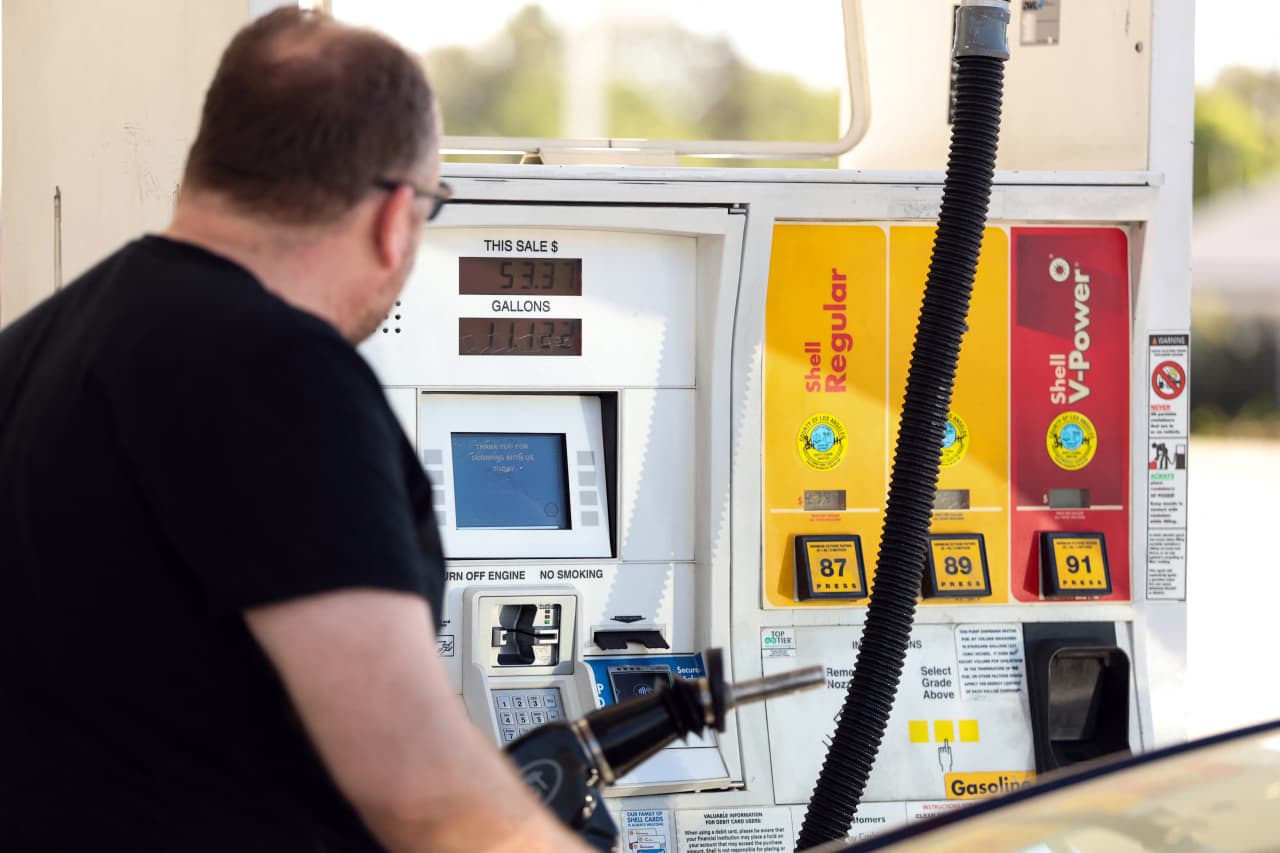
Amidst an economic climate marked by persistent inflation and escalating energy costs, the concept of a gas tax holiday has re-emerged as a popular, albeit contentious, proposal. With average national gasoline prices frequently exceeding $4 per gallon, consumers and policymakers alike are searching for immediate remedies. While suspending state or federal fuel taxes may offer a perceived quick fix and political goodwill, economic experts widely contend that such measures often fail to deliver substantial, long-term relief to motorists, with the benefits frequently absorbed elsewhere in the supply chain rather than fully passed on to the consumer.
The Allure and Economic Realities of Tax Pauses
The appeal of a gas tax holiday is visceral for a public grappling with higher daily living expenses. A significant portion of the price at the pump is composed of federal and state taxes, often totaling 30 cents per gallon or more. For instance, the federal excise tax on gasoline currently stands at 18.4 cents per gallon, with state taxes varying widely, from a low of 14.7 cents in Alaska to over 70 cents in states like California. Suspending these taxes seemingly offers an immediate discount. However, historical precedent and economic theory suggest that such savings are rarely fully realized by the consumer. The dynamic nature of pricing in a competitive market, combined with fluctuating crude oil costs and refining margins, means that a tax reduction often becomes an opportunity for other segments of the supply chain – from refiners to retailers – to widen their profit margins, rather than pass the entire saving to the end-user.
Scrutiny of Past Interventions and Their Impact
Numerous studies analyzing past gas tax holidays in various states have consistently revealed a similar pattern: a significant portion, sometimes over 70%, of the tax reduction is not passed on to consumers. For example, a 2000 study by the Congressional Research Service examining potential federal gas tax suspensions found that only about 15% of the tax cut might reach consumers, with the rest absorbed by producers and retailers. More recent analyses, such as those conducted by the Penn Wharton Budget Model, evaluating potential federal gas tax holidays in 2022, estimated that drivers might only see a fraction of the savings, potentially as little as 50% or less, with the remaining portion captured by the industry. This is largely due to the inelastic nature of fuel demand in the short term; consumers still need to drive, making them less sensitive to minor price fluctuations and giving retailers leeway to adjust pricing without losing significant market share.
Broader Economic and Market Implications
The impact of gas tax holidays extends beyond the direct price at the pump. State and federal fuel taxes are critical revenue streams, primarily dedicated to funding infrastructure projects like road maintenance, bridge repairs, and public transit. A suspension of these taxes, even temporarily, can create significant budgetary shortfalls, potentially delaying crucial infrastructure investments or necessitating cuts in other vital public services. Furthermore, a gas tax holiday can inadvertently stimulate demand for gasoline, counteracting efforts to promote energy efficiency and reducing the incentive for consumers to consider alternative transportation methods or more fuel-efficient vehicles. For the oil and gas industry, while a temporary tax cut might offer a marginal boost in demand, the fundamental drivers of crude oil prices – global supply, geopolitical stability, and refining capacity – remain largely unaffected, meaning the core volatility of the market persists.
Expert Opinions Diverge on Efficacy
Economists and energy market analysts generally express skepticism regarding the long-term effectiveness of gas tax holidays. Dr. Sarah Miller, an energy economist at a leading research institution, stated in a recent interview, "While the intention behind a gas tax holiday is consumer relief, the reality is often market distortion. Retailers and refiners, operating within a highly competitive but also consolidated market, have an incentive to capture new margins. The tax cut rarely translates into a dollar-for-dollar saving for the driver." Other experts point out the fiscal irresponsibility of such measures, arguing they deplete infrastructure funds without offering a sustainable solution to high fuel prices, which are intrinsically linked to global commodity markets and geopolitical events.
The Path Forward: Sustainable Solutions vs. Short-Term Fixes
Looking ahead, the debate surrounding gas prices is likely to shift from temporary tax suspensions to more sustainable, long-term solutions. Policymakers are increasingly exploring strategies that address the root causes of fuel price volatility and promote energy independence. These include investments in renewable energy, expansion of electric vehicle infrastructure, and improvements in public transportation. Some proposals also suggest targeted financial relief programs for low-income households, which are disproportionately affected by high fuel costs, as a more efficient way to deliver assistance than broad tax cuts. The political expediency of a gas tax holiday may be tempting, especially in an election year, but the economic evidence suggests that its benefits are often fleeting and its costs, in terms of lost revenue and market distortion, can be substantial.
Conclusion
In summation, while the notion of a gas tax holiday offers a politically attractive antidote to soaring fuel prices, its practical effectiveness for the average consumer remains highly questionable. Historical data and economic analyses consistently demonstrate that only a fraction of the tax savings typically reaches the motorist, with the remainder often absorbed by the energy supply chain. Furthermore, such measures risk undermining critical infrastructure funding and do little to address the underlying macroeconomic factors driving fuel costs. As the public continues to grapple with high energy expenses, the emphasis will likely pivot towards more durable and fiscally responsible strategies to ensure both energy security and consumer well-being.