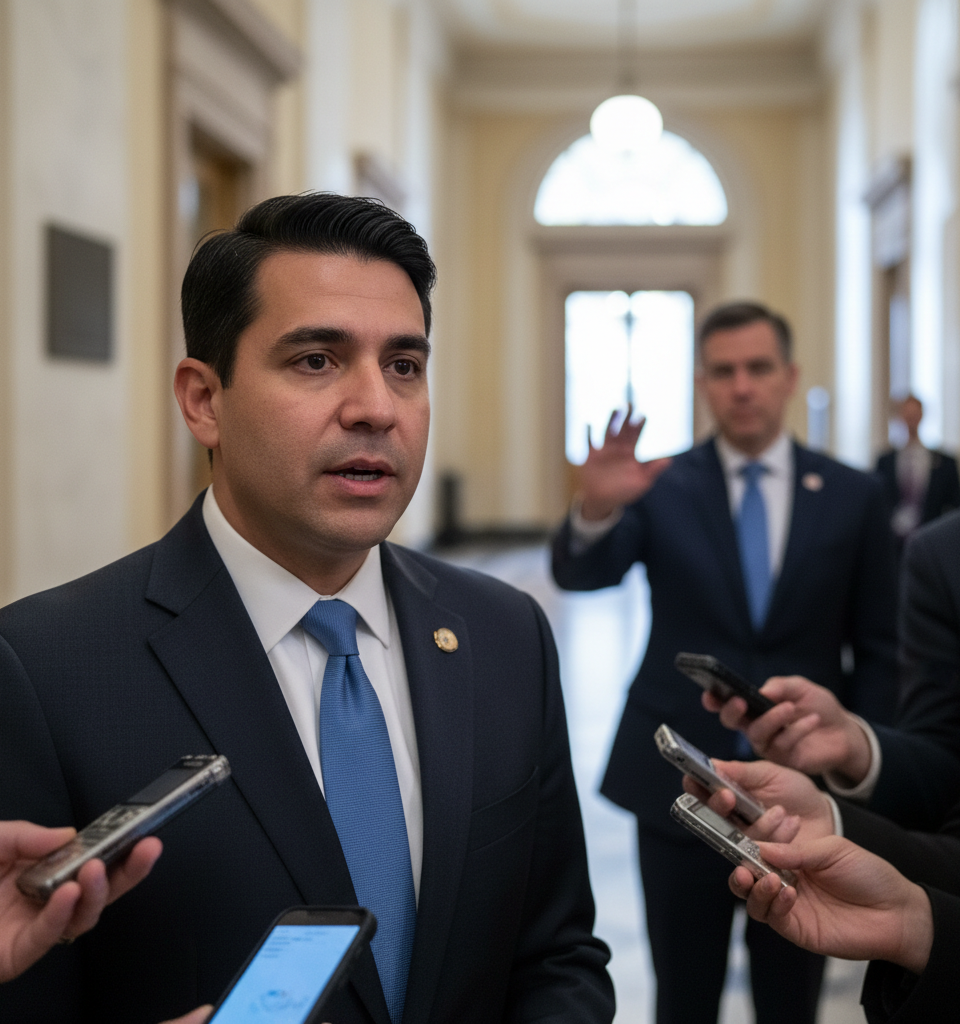
Washington D.C. – Senator Ruben Gallego (D-AZ) recently ignited a renewed debate about accountability and gender dynamics on Capitol Hill, with his candid admission regarding long-standing, albeit unverified, rumors about Congressman Eric Swalwell (D-CA) and his interactions with women. Gallego, a prominent figure known for his assertive stance, revealed he had heard these 'flirty' allegations but ultimately dismissed them as unsubstantiated, stating his belief in Swalwell's character. This disclosure, made during a recent public appearance, brings to the fore a deeply entrenched Capitol Hill phenomenon: the informal 'whisper network' and the institutional inclination to overlook or downplay accusations, particularly concerning powerful male figures.
The Pervasive Culture of Unaccountability
This incident is not an isolated anomaly but rather symptomatic of a systemic issue where allegations of inappropriate behavior, ranging from casual misconduct to more serious infractions, are frequently met with skepticism, rationalization, or outright dismissal by colleagues. For decades, Capitol Hill has been criticized for fostering an environment where powerful male legislators operate with a perceived immunity, often shielded by informal protocols and a reluctance among peers to challenge their conduct. The dynamics are complex, involving political alliances, career implications, and a fear of disrupting established power structures, leading to a pervasive culture of silence that often disenfranchises accusers and protects the accused.
Key Details and Historical Precedent
Gallego's specific comments, while downplaying the veracity of the Swalwell rumors, inadvertently highlighted the existence of such whispers within his professional circles. He emphasized his personal trust in Swalwell, indicating a common response among colleagues where personal relationships often trump official scrutiny. This situation echoes numerous past controversies, such as the allegations against Representative Matt Gaetz or the historical MeToo movement disclosures involving figures like Senator Al Franken. In many instances, the initial response from within Congress has been to defend the accused or to question the motives of accusers, only later to be confronted by mounting evidence or public pressure. The lack of a robust, independent mechanism for investigating such claims further exacerbates this issue.
Impact on Public Trust and Governance
The continuous emergence of such stories erodes public trust in governmental institutions. When allegations of misconduct are perceived as being handled internally and dismissively, it fosters a cynical view of accountability and ethical governance. This erosion of trust can have tangible impacts, affecting voter perceptions, diminishing confidence in legislative processes, and potentially deterring qualified individuals, particularly women, from pursuing careers in politics or public service due to concerns about workplace safety and fairness. Furthermore, it creates a hostile environment for staff, particularly junior employees or interns, who may feel powerless to report inappropriate behavior without fear of retaliation or career repercussions.
Expert Perspectives on Institutional Reform
Experts in organizational behavior and political ethics consistently point to the need for comprehensive institutional reform within Congress. Dr. Eleanor Vance, a political science professor at Georgetown University, notes, "The informal vetting process described by Senator Gallego is precisely why Capitol Hill struggles with accountability. There's a critical need for independent oversight bodies, clear reporting channels free from political influence, and robust protections for whistleblowers." Others advocate for mandatory, ongoing ethics training that addresses issues beyond financial disclosures, focusing on workplace conduct, power dynamics, and consent. The Congressional Accountability Act was a step, but its implementation and enforcement mechanisms are often criticized as inadequate.
The Path Forward: Demands for Transparency and Accountability
The conversation sparked by Senator Gallego's comments underscores the urgent need for a more transparent and accountable system within Congress. Future developments are likely to include renewed calls from advocacy groups and some progressive legislators for an overhaul of congressional ethics procedures. This could involve the establishment of a fully independent ethics committee with investigatory and enforcement powers, improved support systems for individuals reporting misconduct, and a cultural shift towards prioritizing ethical conduct over political expediency. Without such systemic changes, the 'whisper network' will continue to be a dominant force, perpetually undermining efforts to foster a truly equitable and respectful work environment on Capitol Hill.