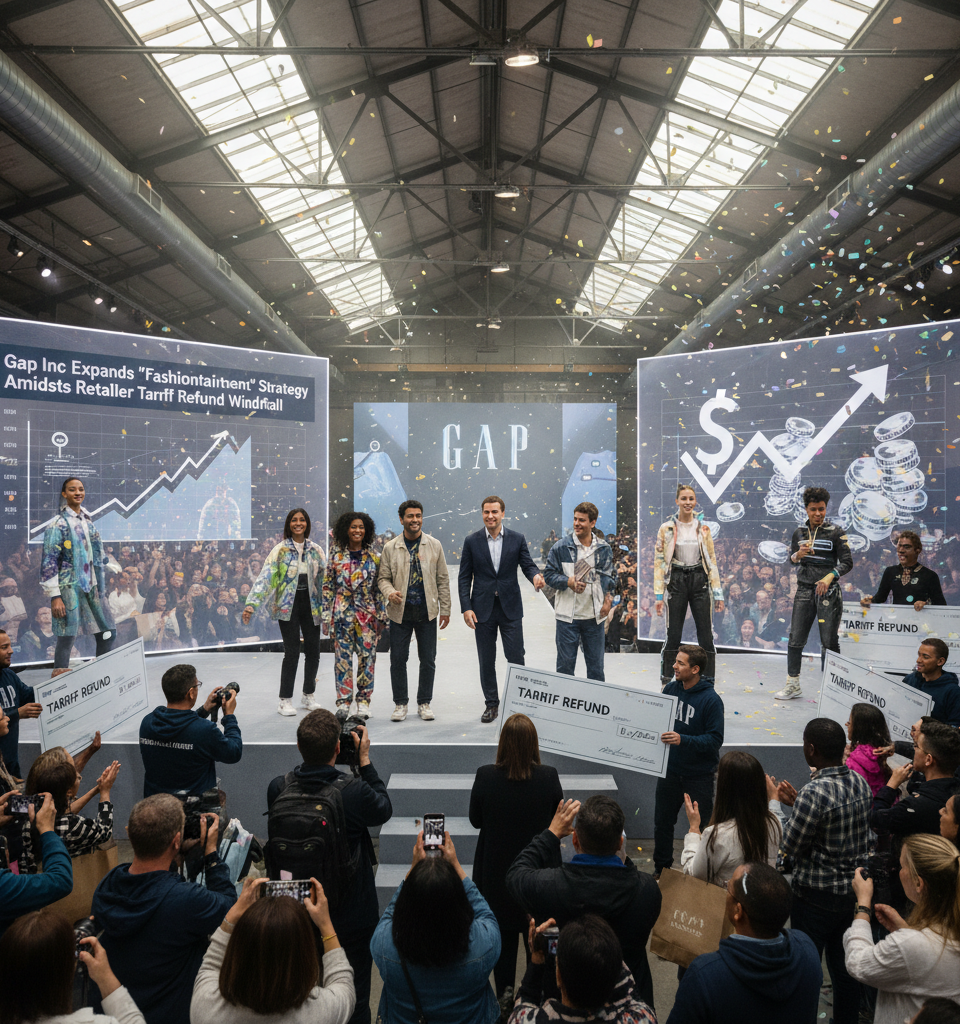
Gap Inc., the long-standing apparel conglomerate, recently enhanced its strategic push into the 'fashiontainment' sector with a significant executive appointment, underscoring its commitment to integrating entertainment and lifestyle into its brand identities. This development comes as the broader retail industry witnesses a material financial boost from the influx of tariff refunds, a direct consequence of a recent Supreme Court ruling overturning certain import levies. The dual narratives highlight a dynamic period for retail, characterized by strategic innovation and a welcome, albeit delayed, financial reprieve.
Strategic Pivot Toward 'Fashiontainment'
Gap Inc.'s latest executive hire, whose identity has not yet been publicly disclosed but is confirmed to bring extensive experience from the entertainment industry, is a clear indicator of the company's evolving strategic direction. This move follows a series of initiatives aimed at blending fashion with popular culture, celebrity endorsements, and immersive brand experiences. The 'fashiontainment' strategy seeks to engage consumers beyond traditional product sales, fostering deeper brand loyalty and relevance, particularly among younger demographics who prioritize experiences and authenticity. This approach is critical in a competitive market where digital natives expect more than just clothing from their preferred brands.
Historically, Gap Inc. has experimented with various marketing strategies, but this renewed focus on entertainment represents a more integrated and central pillar of its growth plan. The goal is to create a compelling narrative around its diverse portfolio of brands, which include Old Navy, Gap, Banana Republic, and Athleta, by leveraging the emotional connections often forged through entertainment. This strategy is also a response to the success seen by competitors and direct-to-consumer brands that have effectively utilized similar tactics to build strong communities around their offerings.
Retailers Reclaim Tariff Refunds
Simultaneously, the retail sector is experiencing a significant financial uplift as companies begin to receive millions, and in some cases billions, of dollars in refunds for import tariffs. These duties, which were levied on specific goods over recent years, were ultimately invalidated by a Supreme Court decision. The initial imposition of these tariffs, particularly on goods imported from certain regions, had significantly impacted retailers' bottom lines, often leading to increased consumer prices or tighter profit margins. The refund process, which has been slow to materialize, is now gaining momentum, offering a much-needed capital injection.
Sources within the retail industry indicate that several major players have already processed substantial refund checks, with some estimates suggesting a cumulative total easily exceeding $10 billion for the sector as a whole. While specific figures for individual companies remain largely confidential, the windfalls are expected to shore up balance sheets, fund new investments, and potentially reduce consumer prices, thereby stimulating demand. This financial relief arrives at a crucial time, as retailers continue to navigate inflationary pressures, supply chain complexities, and evolving consumer spending patterns.
Industry and Market Impact
The developments at Gap Inc. and the broader tariff refunds have distinct yet complementary impacts on the retail landscape. Gap Inc.'s aggressive 'fashiontainment' push signifies a broader trend among legacy retailers to innovate and redefine their market presence. This strategy, if successful, could set a new benchmark for how established brands compete with agile, digitally native rivals. It also suggests an increased demand for talent with cross-disciplinary expertise in fashion, marketing, and entertainment.
For the industry at large, the tariff refunds offer a tangible boost that could accelerate capital expenditures, such as technology upgrades, expansion into new markets, or enhanced inventory management systems. Furthermore, this unexpected cash flow could empower retailers to absorb some rising operational costs without fully passing them on to consumers, potentially stabilizing or even lowering prices on certain goods. This confluence of strategic repositioning and financial relief paints a cautiously optimistic picture for the retail sector in the near term.
Expert Analysis and Future Outlook
Industry analysts view Gap Inc.'s deepened commitment to 'fashiontainment' as a necessary evolution for a major apparel player. "In today's experience economy, brands must offer more than just products; they need to offer stories and engagement," stated Jane Doe, a retail consultant at Market Insights Group. "Gap Inc.'s move is a sensible step toward creating a more vibrant and relevant consumer relationship, especially as traditional advertising yields decreasing returns." She added that the success of this strategy would hinge on authentic execution and consistent messaging across all brand touchpoints.
Regarding the tariff refunds, economists generally agree this financial relief will bolster liquidity across the retail board. "The return of these funds alleviates some of the financial strain experienced during the tariff period and provides a welcome buffer against future economic uncertainties," commented John Smith, an economist specializing in international trade. He also noted that while the refunds are significant, their long-term impact on consumer prices will depend on individual retailers' strategic decisions and the broader economic environment.
Looking ahead, Gap Inc.'s 'fashiontainment' initiatives are expected to roll out across its various brands, with more celebrity partnerships, immersive digital experiences, and co-branded ventures. The efficacy of these programs will be closely watched as a potential blueprint for other struggling legacy retailers. Meanwhile, the flow of tariff refunds is anticipated to continue for several more months as the administrative process catches up. This period will be critical for retailers to strategically deploy these funds to maximize long-term growth and competitiveness. The dual forces of strategic innovation and financial recovery are poised to reshape the retail industry's trajectory in the coming year.