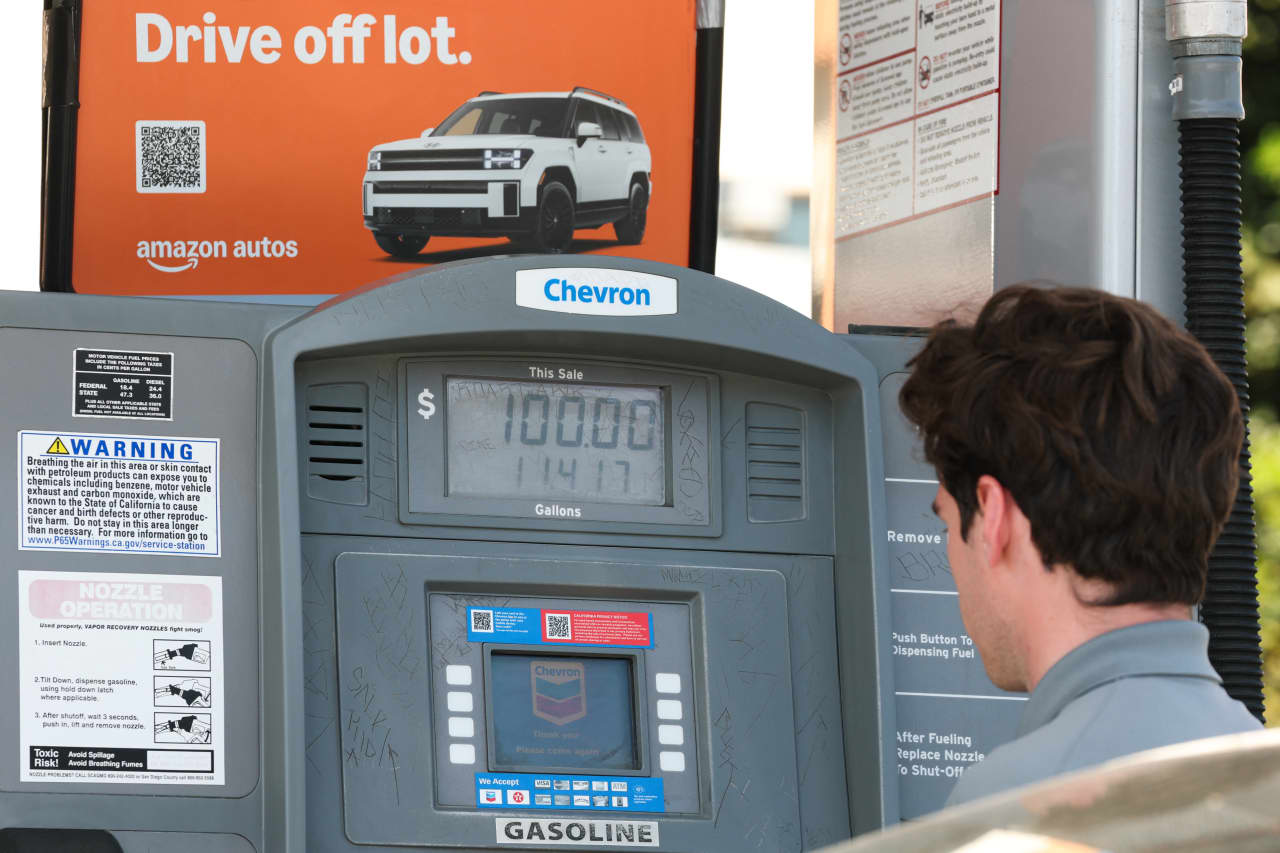
Global average gasoline prices are rapidly approaching a significant psychological ceiling, a benchmark often signaling increased consumer anxiety and potential shifts in spending patterns. This looming threshold is particularly concerning for one cohort of drivers who may find themselves disproportionately impacted by the rising costs. The broader economic climate, characterized by a pervasive sense of unease, is already compelling consumers to re-evaluate their financial approaches, moving away from habitual spending towards more intentional decision-making.
The trajectory of fuel prices is a perennial indicator of economic health and consumer confidence. Historically, certain price points have acted as 'psychological walls,' beyond which the public perceives a fundamental shift in affordability and economic stability. Breaching such a wall often triggers a more pronounced response from consumers, including reductions in discretionary spending and altered travel habits. The current upward trend in gas prices is therefore not merely a logistical challenge but a significant economic signal, exacerbating existing anxieties about inflation and cost of living. This situation is amplified by the fact that many households are still navigating the aftershocks of recent economic fluctuations, making any additional financial burden particularly unwelcome.
The Impact on Vulnerable Drivers
While the exact group of drivers most at risk remains unspecified in current disclosures, historical patterns suggest that individuals with lower disposable incomes, those commuting long distances, or those reliant on fuel for their livelihoods (e.g., gig economy workers, delivery drivers) typically bear the brunt of significant price hikes. For these individuals, higher fuel costs directly translate to reduced net income or increased operational expenses, potentially forcing difficult choices between essential outgoings. This demographic often operates on tighter budgets, making them less resilient to sudden economic pressures like soaring gas prices. The impending price threshold could therefore precipitate heightened financial stress for a considerable segment of the population, leading to a ripple effect across various consumer-driven sectors.
Economic Sentiment and Strategic Shifts
“The economy feels a bit miserable right now,” noted one financial-wellness expert, highlighting the prevailing sentiment among consumers. This expert further articulated a personal and professional pivot: “I’m shifting from autopilot to a more intentional strategy.” This quote encapsulates a broader trend of consumers and financial advisors alike moving away from passive financial management towards more proactive and deliberate planning. Such a shift often involves rigorous budget reviews, a reduction in non-essential expenditures, and a closer examination of transportation costs. This proactive response, while prudent, also signals a widespread lack of confidence in the short-term economic outlook.
The implications for the broader market are substantial. Sustained high gas prices can depress consumer spending in other sectors, as households reallocate funds towards essential transportation. Retailers, hospitality, and travel industries could experience a slowdown if consumers curb discretionary travel and shopping. Furthermore, businesses that rely on transportation for their supply chains or service delivery will face increased operational costs, which may be passed on to consumers, further fueling inflationary pressures. This creates a challenging cycle where rising costs in one area feed into others, potentially stifling economic growth.
Navigating the Impending Threshold
Looking ahead, the market will closely monitor whether the anticipated psychological wall for gas prices is indeed breached. Should prices surge past this point, the immediate implication will be increased financial strain on the aforementioned vulnerable driver segment. This could precipitate calls for government intervention or subsidies, though no such measures have been indicated thus far. Consumers, particularly those in the affected group, are likely to explore alternatives such as public transportation, carpooling, or reducing non-essential travel. The response of the energy market, including oil production levels and geopolitical developments, will also play a crucial role in determining the trajectory of prices in the coming weeks and months.
The current situation underscores the interconnectedness of energy markets, consumer behavior, and overall economic health. The collective sentiment of economic misery, coupled with the strategic shift towards intentional financial planning, suggests a challenging period ahead for many households. The potential breach of this psychological ceiling for gas prices serves as a critical indicator of ongoing economic headwinds and the necessity for both individuals and policymakers to adapt to evolving market realities.