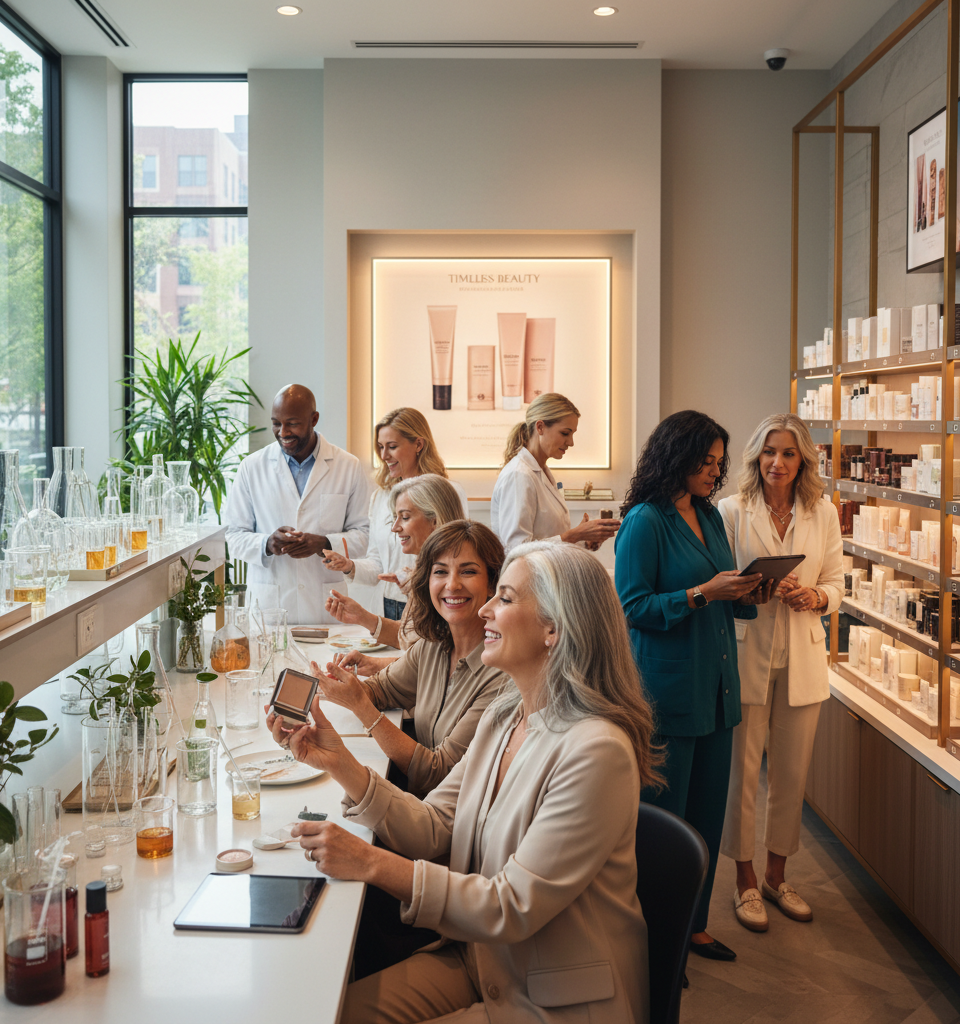
Generation X, comprising individuals born between 1965 and 1980, is unexpectedly driving a substantial portion of the global beauty market's growth, with recent analyses indicating they are among the highest per-capita spenders in the sector. This demographic, frequently overlooked in favor of Millennials and Gen Z, is now compelling beauty brands to pivot their marketing and product development strategies to cater to their specific needs and financial clout.
The Overlooked Economic Engine
For years, the beauty industry's marketing efforts and product innovations largely focused on younger demographics, viewing them as key trendsetters and future growth segments. However, Gen X has quietly accumulated significant disposable income and maintained a strong commitment to personal care and well-being. Their deep-rooted brand loyalty, combined with a willingness to invest in premium and effective solutions, has made them an indispensable consumer group. This shift is particularly striking given the historical narrative that positioned Gen X as a smaller, less influential generation compared to their Baby Boomer predecessors and Millennial successors.
Shifting Dynamics and Spending Habits Data from leading market research firms like
Circana (formerly NPD Group and IRI) reveals that consumers aged 45-64, largely encompassing Gen X, are accounting for a disproportionately high share of prestige beauty sales. In 2023, this cohort reportedly spent an average of $369 annually on prestige beauty products, significantly exceeding the spending of younger generations. This spending isn't frivolous; it's often directed towards problem-solution products, anti-aging skincare, hair care for thinning or graying hair, and sophisticated makeup that offers both performance and natural aesthetics. Brands like L'Oréal, Estée Lauder, and Augustinus Bader have subtly acknowledged this trend, introducing products tailored to mature skin concerns and longevity.
Industry Reorientation and Brand Strategy
This newfound recognition of Gen X is prompting a significant reorientation within the beauty industry. Brands are now investing in market research to understand Gen X's preferences, moving beyond superficial assumptions. Marketing campaigns are shifting from youth-centric imagery to more diverse representations that resonate with experienced consumers. Companies are also focusing on product development that addresses concerns pertinent to aging, such as collagen loss, hyperpigmentation, and hair health, often leveraging advanced scientific formulations. The emphasis is on efficacy and proven results over transient trends, a key differentiator for Gen X buyers.
Expert Insights on the Gen X Phenomenon
Industry analysts are not surprised by this revelation. Sarah Jenkins, a senior beauty sector analyst at Zenith Global, notes, "Gen X has always been a stealth consumer—discerning, value-conscious, but ultimately willing to spend on quality. Their current financial stability and life stage mean they're investing in maintenance and enhancement, not just experimentation. Brands that recognize this will unlock immense value." She adds that Gen X's digital fluency, often underestimated, makes them receptive to online discovery and e-commerce, as long as the shopping experience is intuitive and trustworthy.
The Future of Beauty Marketing and Innovation
Looking ahead, the influence of Generation X is expected to solidify further. Brands are projected to increase their investment in targeted advertising on platforms popular with Gen X, such as Facebook and targeted digital publications. Product innovation will likely continue to emphasize science-backed ingredients, sustainable practices, and sophisticated packaging that appeals to a mature aesthetic. We may also see an increase in beauty services, such as med-spa treatments and customized skincare consultations, tailored to the specific concerns of this demographic. The industry is poised to see a continued evolution in how beauty is defined and marketed, moving towards a more inclusive and age-agnostic approach that truly values experience and efficacy.
The Longevity and Loyalty Factor
What makes Gen X particularly attractive to beauty brands is their loyalty. Unlike younger generations who might frequently switch brands based on viral trends, Gen X consumers tend to stick with products and brands that deliver consistent results. This translates to higher lifetime customer value and more predictable revenue streams for companies. By building trust and demonstrating genuine understanding of their needs, brands can cultivate long-term relationships with this powerful demographic, ensuring sustained growth and market stability for years to come. The era of forgetting Generation X is definitively over; they are now firmly positioned at the forefront of beauty's economic landscape.