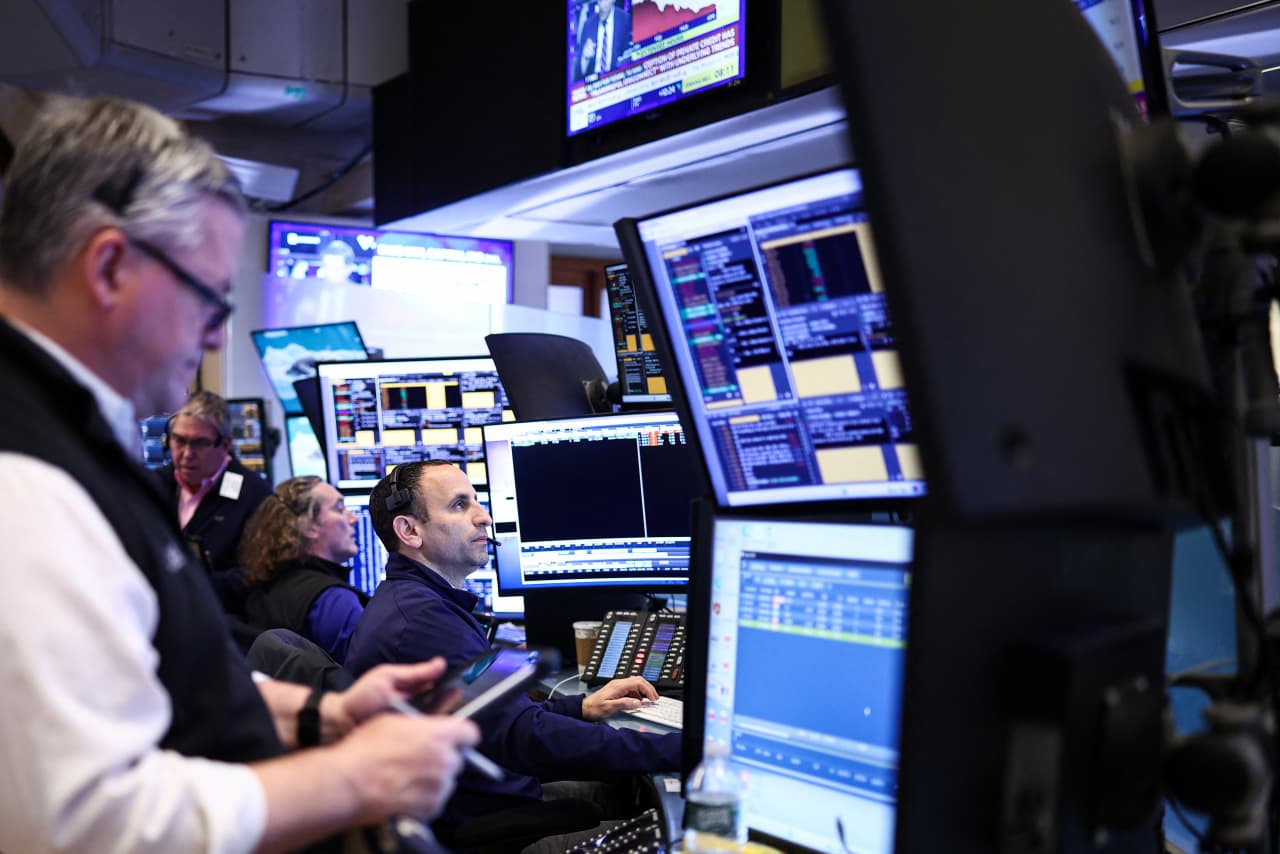
Global financial markets, notably Wall Street, exhibited a swift and emphatic rebound following Iran's retaliatory missile strikes on U.S. bases in Iraq. Despite initial panic that saw futures contracts tumble and safe-haven assets surge, investor confidence surged back even before official statements from the Trump administration on Wednesday night, reaffirming a long-held market adage that geopolitical crises are often transient in their financial impact.
The Anatomy of a Rapid Recovery
The immediate aftermath of the Iranian strikes saw West Texas Intermediate (WTI) crude oil futures jump over 4% to nearly $66 per barrel, while gold, a traditional safe-haven, surged to a seven-year high, briefly exceeding $1,610 per ounce. However, this knee-jerk reaction proved short-lived. As reports emerged suggesting no U.S. casualties and a more muted response from both sides, futures for the S&P 500 reversed course, climbing more than 0.7% before the market opened. This rapid U-turn highlights the market's sophisticated ability to quickly assess and discount geopolitical risks, especially when the potential for a full-scale, sustained conflict diminishes.
Historical Precedent and Market Mechanics
This phenomenon is not unprecedented. History is replete with examples where markets initially react strongly to geopolitical shocks only to stabilize or even rally shortly thereafter. From the Gulf War in the early 1990s to the invasion of Iraq in 2003, and numerous terrorist attacks, the pattern often holds. Investors, driven by the desire to avoid capital erosion and capitalize on opportunities, quickly differentiate between events that could fundamentally alter economic growth and those that, while dramatic, are unlikely to cause lasting disruption. The market's primary concern remains corporate earnings, interest rates, and global economic stability; geopolitical events are often viewed through this lens.
Industry and Sectoral Divergence
While the broader market recovered, certain sectors experienced more nuanced impacts. Energy stocks, initially beneficiaries of rising oil prices, saw some of those gains pare back, though the underlying supply concerns did provide a floor. Defense contractors, conversely, often see sustained interest during periods of heightened geopolitical tension. Technology and consumer discretionary sectors, more sensitive to consumer sentiment and global trade, demonstrated resilience, reflecting the market's belief in the underlying strength of the U.S. economy and the improbability of a protracted war that would cripple international commerce.
Expert Insights: "Buy the Dip" Mentality
Market strategists and economists largely concurred with the rapid recovery narrative. "This shows that markets operate on a 'buy the dip' mentality when geopolitical events create what are perceived as temporary dislocations," noted David Kelly, Chief Global Strategist at JPMorgan Asset Management. "Unless there's a clear and present danger to global supply chains or a significant curtailment of economic activity, investors tend to look past these events." Other analysts pointed to the large pools of institutional capital readily available to re-enter markets, quickly absorbing selling pressure and driving prices back up in the absence of fundamental economic deterioration.
The Path Forward: Eyes on De-escalation
Looking ahead, the market's focus will remain squarely on de-escalation efforts and economic indicators. Any signs of renewed military action or significant disruptions to oil production in the Middle East could quickly reverse the current optimism. However, with both the U.S. and Iran signaling a desire to avoid further escalation, investors are presently prioritizing global growth prospects and central bank policies. Upcoming earnings reports, consumer confidence data, and manufacturing indices will likely supplant geopolitical headlines as the primary market drivers in the immediate term, solidifying the market's rapid return to fundamentals.
Ultimately, the swift market response to the U.S.-Iran tensions serves as a powerful reminder of Wall Street’s intricate mechanisms for risk assessment. It reinforces the notion that even in the face of significant geopolitical dramatics, financial markets are often more concerned with the long-term trajectory of the global economy than the immediate shockwaves of conflict, distinguishing between temporary jitters and fundamental shifts in the investment landscape.