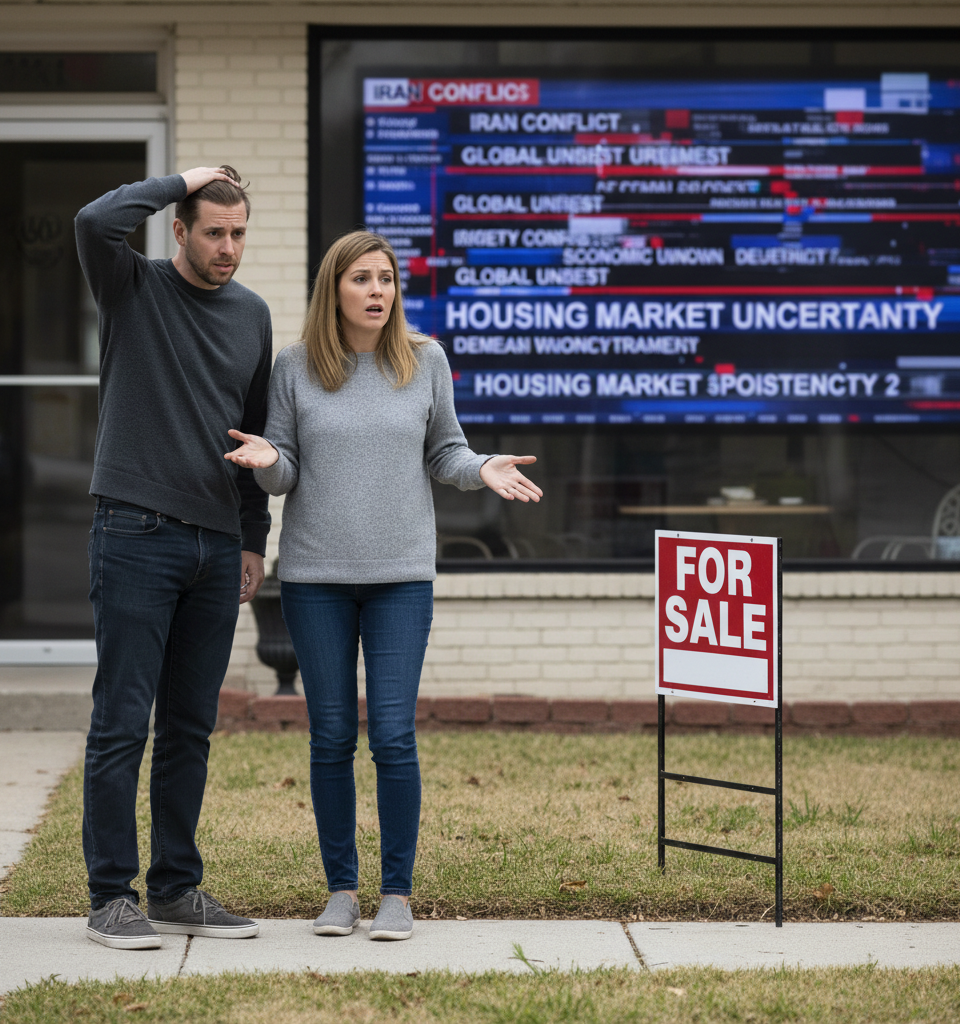
New York, NY — April 18, 2024 — The anticipated spring surge in the U.S. housing market is showing unexpected signs of vulnerability, with geopolitical instability and domestic economic anxieties emerging as primary deterrents for prospective homebuyers. A recent CNBC Housing Market Survey, conducted in the first quarter, reveals a significant shift in buyer priorities: concerns over the broader economy and the trajectory of mortgage rates now outweigh worries about spiraling home prices. This phenomenon casts a pall over what was expected to be a period of robust activity, suggesting a market far more susceptible to external shocks than previously understood.
A Shifting Landscape: Beyond Home Prices
Historically, home prices have been the predominant factor influencing buyer sentiment, particularly following the unprecedented appreciation of the pandemic era. However, the survey's findings underscore a pivotal change in the psychological landscape of the American homebuyer. The escalating tensions between Iran and Israel, coupled with persistent inflation and the Federal Reserve's cautious stance on interest rate cuts, have injected a new layer of uncertainty. This erosion of confidence is critical, as consumer sentiment plays an outsized role in high-value transactions like home purchases.
Key Findings and Disturbing Trends
The CNBC survey, which polled real estate agents across various U.S. markets, indicated that a substantial percentage of potential buyers are expressing apprehension about the economic outlook. "We're seeing clients pump the brakes, not because they can't afford the home, but because they're unsure about their job security or what the next six months hold economically," noted Sarah Chen, a leading real estate broker in Denver, quoted indirectly from the survey findings. Mortgage rates, which have fluctuated wildly in recent months, are another significant pain point. The dream of a 5% or 6% rate environment that energized late 2023 has been replaced by the reality of rates stubbornly hovering around 7%, significantly impacting affordability and monthly payments for many.
Broader Industry Repercussions
The ripple effects of this altered buyer behavior are being felt across the entire housing ecosystem. Mortgage lenders are reporting a slowdown in new applications, while homebuilders are cautiously adjusting their production schedules, wary of building inventory that might sit unsold. The luxury market, often more insulated from economic woes, is also experiencing a deceleration as high-net-worth individuals adopt a wait-and-see approach. This pullback threatens to prolong the inventory crunch in the resale market, as potential sellers, also wary of economic conditions or finding their next home amidst high rates, might postpone listing their properties.
Expert Prognoses: A "New Normal" of Uncertainty
Economists and housing analysts are grappling with what some are calling a "new normal" for the housing market, characterized by heightened sensitivity to global events and macroeconomic indicators. Dr. Mark Zandi, chief economist at Moody's Analytics, recently commented, "The housing market is no longer solely driven by supply and demand fundamentals but by a complex interplay of interest rate expectations, geopolitical risk, and consumer confidence. The Iran tensions, while seemingly distant, have a tangible effect on borrowing costs and risk appetite." He further suggested that until there is greater clarity on the global stage and a more definitive path for inflation and interest rates, the market will likely remain in a state of cautious equilibrium.
Looking Ahead: A Tenuous Path to Recovery
The immediate future of the U.S. housing market hinges on several critical factors. A de-escalation of tensions in the Middle East would likely provide a much-needed boost to consumer and investor confidence. Domestically, cooling inflation data that could prompt the Federal Reserve to consider interest rate cuts would significantly alleviate affordability pressures. However, if geopolitical instability persists and economic uncertainty deepens, the spring housing market could be marked by subdued activity, prolonged listing times, and a significant recalibration of buyer and seller expectations, potentially pushing the anticipated recovery further into the latter half of the year or even into 2025. Stakeholders are advised to monitor these developments closely, as the housing market remains a crucial barometer for the broader U.S. economy.