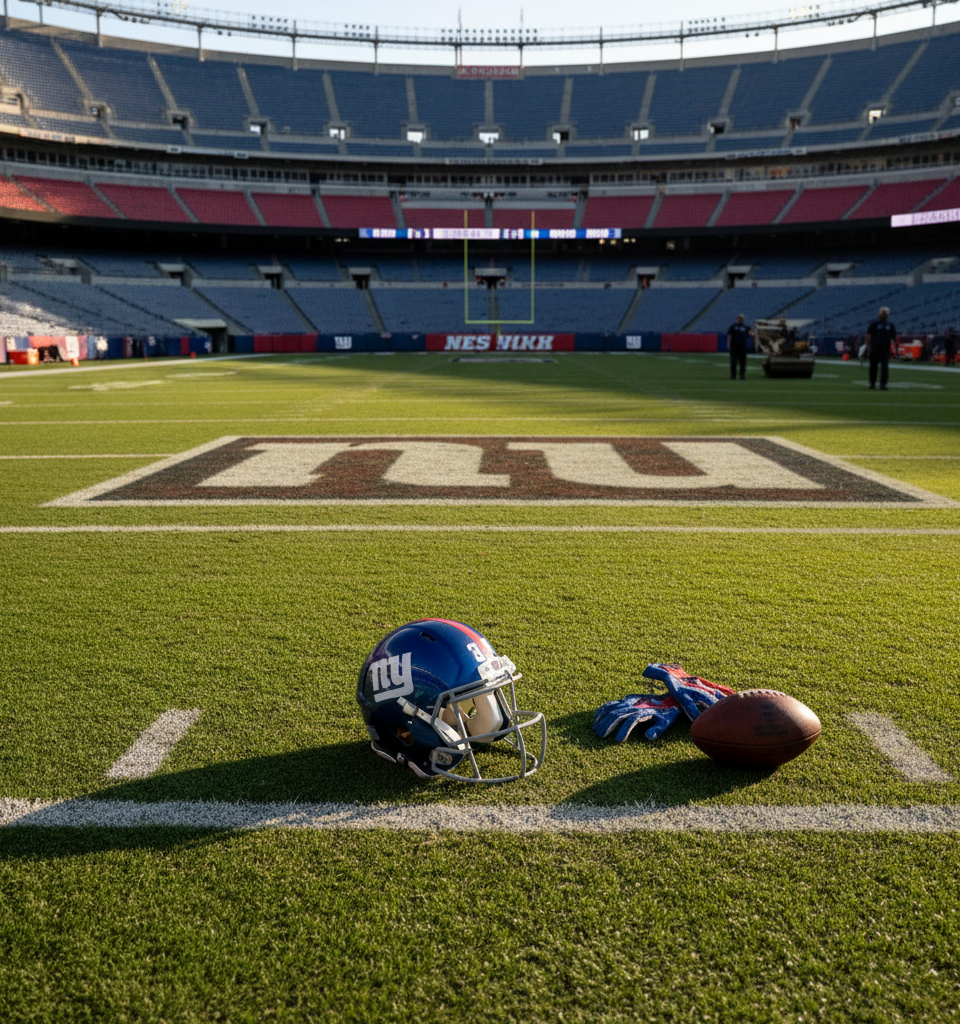
The Giants' decision to release Darius Slayton, their most tenured player, highlights the transient nature of professional sports rosters and resource allocation. Organizations frequently optimize for performance and future cap flexibility, often at the expense of veteran continuity.
New York has officially released wide receiver Darius Slayton, ending his time with the team. This move comes as the Giants part ways with their longest-tenured player, a significant decision for the franchise.
Background on Darius Slayton
Darius Slayton was a prominent fixture in the Giants' receiving corps for several seasons. As the longest-tenured player on the roster, his departure marks the end of an era for a team that has seen considerable turnover in recent years. His consistency and experience made him a familiar face in a sometimes-changing lineup.
Slayton joined the Giants as a draft pick and quickly established himself. Over his career, he provided the team with a downfield threat and reliable receiving hands. His status as the longest-tenured player underscores his longevity and importance to the team's structure during his time in New York. This separation points to the Giants' strategic decisions as they continue to shape their future roster.
Strategic Implications for the Giants
The release of Slayton could free up valuable salary cap space, which the Giants may use to address other roster needs. This financial flexibility allows the team to pursue new talent through free agency or to sign other players to contract extensions. The move also opens up a roster spot, potentially for a younger player or a new acquisition.
From a business perspective, such roster adjustments are common in professional sports. Teams continuously evaluate player performance, salary cap implications, and fit within their overall strategic vision. Moving on from a veteran player, even a long-tenured one, can be a calculated step towards building a more competitive team for the future. It allows for a reallocation of resources towards positions deemed more critical or players considered to have higher upside.
What This Means for the Roster
Slayton's departure creates a vacancy in the wide receiver room. This will likely lead to increased opportunities for other receivers on the roster. Younger players or recent draft picks may now have a clearer path to more playing time and a larger role in the offense. The team may also look to acquire a new wide receiver through trades or free agency to fill the void.
This decision signals a commitment from the Giants to evolve their roster. It suggests the team is prioritizing fresh talent or a new offensive scheme that may not have aligned with Slayton's role. Teams often make such moves to inject new energy and potential into their receiving corps, aiming for greater explosiveness or versatility.
Looking Ahead
The Giants' next steps will be closely watched as they continue to refine their roster ahead of the upcoming season. The team's management will need to assess the impact of Slayton's departure and determine how best to fill the void. This could involve promoting internal talent or actively seeking external additions to strengthen their receiving options.
This move is part of a broader ongoing process for many professional sports franchises. It reflects the constant cycle of talent evaluation, acquisition, and strategic development aimed at sustained competitiveness. The Giants' future performance will ultimately reveal the effectiveness of this and other roster decisions.