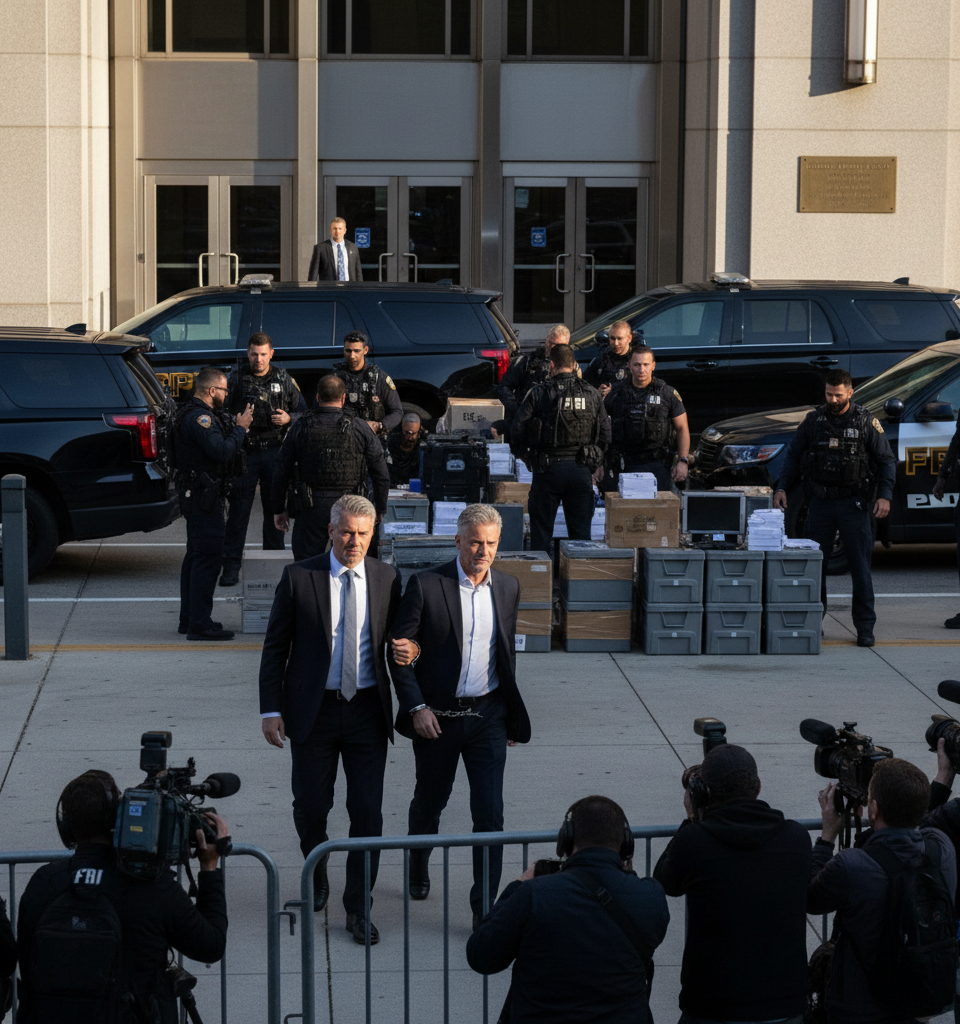
BAY SHORE, NY – June 6, 2024 – Rex Heuermann, the 60-year-old architect who recently pleaded guilty to the gruesome murders of at least three women discovered near Gilgo Beach, Long Island, has entered into an extraordinary agreement with federal authorities. As a condition of his plea, Heuermann will engage in extensive interviews with the Federal Bureau of Investigation's renowned Behavioral Analysis Unit (BAU). This unprecedented cooperation, confirmed by court documents and sources close to the investigation, ignites a new wave of optimism that Heuermann could provide critical insights into other unsolved homicides, both locally and potentially across the nation, and offer valuable intelligence to the specialized unit responsible for profiling some of the most infamous criminals in U.S. history.
Historical Precedent and the Significance of BAU Engagement
Heuermann's decision to cooperate with the BAU places him in a rare cohort of high-profile serial offenders who have provided access to their criminal psyches. Historically, the BAU has conducted similar in-depth profiles with convicted murderers such as Ted Bundy, John Wayne Gacy, and Richard Speck. These interrogations, often spanning considerable time, have not only aided in resolving specific cases but have also contributed significantly to the science of criminal profiling, providing law enforcement with invaluable tools to apprehend future offenders. The voluntary nature of Heuermann's participation, though tied to a plea deal, suggests a complex motivation that investigators will undoubtedly seek to unravel, potentially including a desire for notoriety or a subconscious need to confess.
Key Details of the Agreement and Investigative Approach
While the precise terms of Heuermann's agreement remain confidential under court seal, sources indicate that his cooperation will involve extensive, prolonged sessions with BAU specialists. These interviews are expected to delve into his modus operandi, victim selection criteria, psychological motivations, and any potential connections to other unsolved cases. Investigators will meticulously cross-reference his accounts with open case files, looking for geographical overlaps, similar victim profiles, and signature crimes. Legal experts suggest that any new information provided by Heuermann would likely be subject to strict conditions regarding its use in future prosecutions, protecting him from additional charges related to information disclosed during these cooperation sessions.
Impact on Cold Case Investigations and Law Enforcement Strategy
The ripple effect of Heuermann's cooperation could be profound, particularly for numerous cold cases in New York and surrounding states that bear similarities to the Gilgo Beach murders. There are still several unidentified remains found in the vicinity of Gilgo Beach, and Heuermann's insights might finally provide closure for these long-suffering families. Beyond New York, if Heuermann traveled frequently as part of his architectural career, his confessions could potentially link him to unsolved crimes across the country. This development underscores an evolving strategy in law enforcement, where extracting intelligence from convicted serial offenders is increasingly seen as a vital, albeit ethically complex, tool for crime solving and prevention.
Expert Analysis: The Psychology Behind Such Cooperation
Criminal profilers and forensic psychologists view Heuermann's cooperation as a significant opportunity. Dr. Evelyn Reed, a leading forensic psychologist specializing in serial homicide, commented, "Convicted serial killers rarely offer genuine, unsolicited confessions. When they do, especially in a structured environment like the BAU interviews, it's often a blend of complex psychological factors – a craving for control, a desire to shape their narrative, or even a twisted form of legacy building. The BAU's expertise lies in navigating these motivations to extract verifiable truth that can advance investigations." She further noted that while the information must be corroborated, it can provide crucial leads that traditional investigative methods have failed to uncover.
The Road Ahead: Verification, Closure, and Ethical Considerations
The immediate next steps involve the scheduling and execution of these sensitive interviews. The BAU's highly trained agents will employ established profiling techniques to assess the veracity and utility of Heuermann's statements. The process is expected to be lengthy and painstaking, requiring careful cross-referencing and validation against existing evidence. For the families of victims, this development offers a fragile hope for closure, though it also reopens old wounds. Ethically, law enforcement faces the delicate balance of gleaning information from a confessed killer without inadvertently glorifying his actions or granting undeserved concessions. Ultimately, the success of this unprecedented deal will be measured by its ability to bring answers to long-unanswered questions and provide justice for victims who have waited decades.
Public Reaction and Future Precedent
The announcement has garnered significant public and media attention, reigniting discussion around the Gilgo Beach murders and the broader issue of serial violence. While some express discomfort with any form of cooperation deal for such a heinous offender, others view it as a pragmatic approach to solving other crimes. Should Heuermann's contributions prove invaluable, this case could establish a new precedent for how high-profile serial offenders are engaged post-conviction, potentially shifting investigative methodologies in future cases involving complex and elusive criminals. The coming months will reveal the true extent of his cooperation and its impact on the landscape of criminal justice.