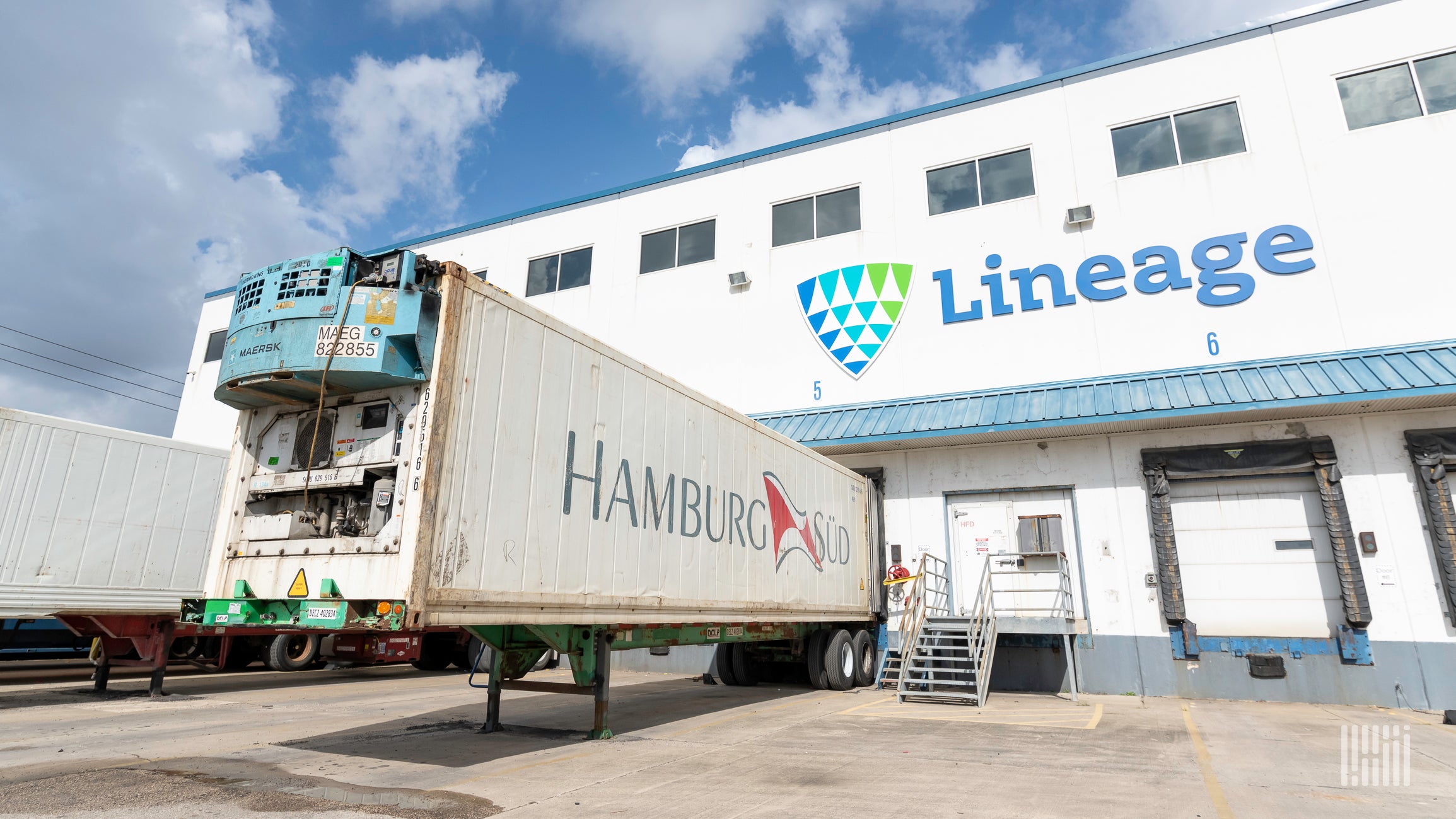
WASHINGTON D.C. – The global cold chain logistics sector is at the precipice of a significant transformation, propelled by the surging worldwide demand for frozen foods and the lingering complexities of international trade tariffs. A recent comprehensive survey of 1,000 supply chain leaders, commissioned by leading cold storage provider Lineage Logistics and highlighted in a FreightWaves report, underscores these twin pressures as the primary catalysts reshaping the industry's operational landscape. This pivotal moment necessitates a fundamental reassessment of infrastructure, technology, and strategic partnerships within the cold chain economy.
This dramatic recalibration of the cold chain is not merely an operational adjustment but a strategic imperative. The COVID-19 pandemic significantly accelerated consumer reliance on frozen and shelf-stable goods, a trend that market analysts predict will persist even as global economies stabilize. Simultaneously, a dynamic and often unpredictable tariff environment, particularly between major trading blocs such as the U.S. and China, continues to inject uncertainty into inventory management and cross-border logistics. The convergence of these factors is forcing companies to invest heavily in resilient, agile, and often localized cold storage and distribution networks.
Key findings from the Lineage report illuminate the extent of these changes. An overwhelming 85% of surveyed supply chain professionals indicated that increased frozen food consumption has directly led to higher demand for temperature-controlled warehousing. Furthermore, 72% reported that tariff-related uncertainties have necessitated a re-evaluation of their global sourcing and distribution strategies, often leading to a diversification of suppliers and a push towards nearer-shoring or reshoring production. The report also highlighted a significant push towards automation and data analytics within cold storage facilities, with respondents indicating an average planned investment increase of 15% in these areas over the next two years to enhance efficiency and traceability.
The implications for the broader logistics and retail industries are profound. Retailers face pressure to maintain extensive frozen product inventories while ensuring freshness and compliance across a geographically dispersed supply chain. Manufacturers are navigating increased production demands in tandem with complex regulatory hurdles. This shift is also fueling innovation in cold chain technology, from advanced temperature monitoring systems and energy-efficient refrigeration to autonomous forklifts and AI-driven inventory optimization. The increased demand for cold storage space is expected to drive up rental rates and spur new construction, creating a boom for specialized real estate developers.
Industry experts agree that the current environment represents a paradigm shift. Dr. Emily Carter, a supply chain economist at a leading advisory firm, noted, "The days of a 'just-in-time' cold chain are being replaced by a 'just-in-case' mentality, focused on resilience and redundancy. Companies are prioritizing regional hubs and localized production to mitigate tariff risks and reduce lead times for a perpetually hungry frozen food market." Another analyst from Gartner commented on the financial implications: "We're seeing significant capital expenditure commitments by logistics firms and food producers alike. This isn't just about coping with disruption; it's about fundamentally redesigning the circulatory system of our food supply."
Looking ahead, the transformation of the cold chain is expected to accelerate. We anticipate continued consolidation among cold storage providers, driven by the need for scale and technological integration. Investment in sustainable cold chain solutions, such as renewable energy-powered facilities and eco-friendly refrigerants, will also gain traction, driven by both regulatory pressures and corporate social responsibility initiatives. Furthermore, the development of sophisticated predictive analytics will become crucial for managing fluctuating demand patterns and optimizing inventory placement. The next decade will undoubtedly see a more robust, agile, and technologically advanced cold chain, redefined by current market forces.
Future Outlook and Investment Focus
The cold chain of tomorrow will be characterized by hyper-connectivity and end-to-end visibility. Blockchain technology, while still nascent in the cold chain, is being explored for its potential to enhance transparency and ensure product integrity from farm to fork. The demand for skilled labor, particularly those proficient in data science and automation management, is set to surge, posing a training challenge for the industry. Ultimately, the ability for companies to adapt swiftly to geopolitical shifts and evolving consumer tastes will determine their success in this rapidly changing, essential sector.
Regulatory Landscape and International Cooperation
Beyond market dynamics, regulatory frameworks will play a critical role in shaping the cold chain's future. Governments may establish new standards for temperature control, energy efficiency, and food safety, necessitating further investment and compliance efforts. International cooperation, particularly in harmonizing customs procedures and trade agreements, could alleviate some of the tariff-related pressures, though such developments are often slow-moving and politically charged. The industry is keenly watching for policy shifts that could either catalyze or impede its ongoing evolution.
Technological Advancements on the Horizon
The cold chain is ripe for disruptive innovation. Emerging technologies like phase-change materials for passive cooling, advanced robotics for automated picking and packing in sub-zero environments, and even drone technology for last-mile insulated delivery are on the horizon. The focus will be on reducing operational costs, minimizing energy consumption, and enhancing the speed and accuracy of deliveries. Integrating these technologies will define competitive advantage for cold chain operators.