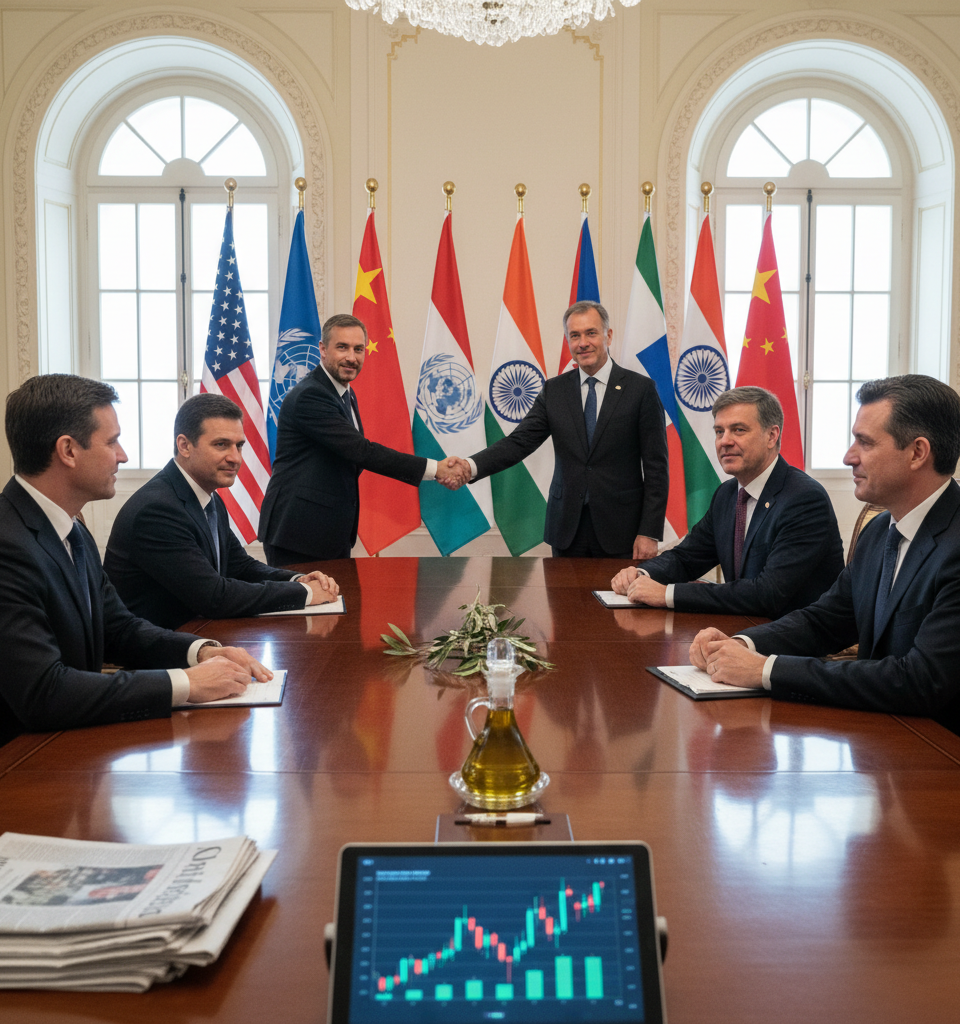
New York, NY – March 15, 2024 – Global equity markets experienced a significant upswing today, building on recent gains, as investor confidence surged amid growing optimism that diplomatic efforts could culminate in a permanent peace deal in the ongoing geopolitical conflict. Concurrently, crude oil prices, which have seen considerable volatility in recent weeks, demonstrated a marked stabilization across major benchmarks, reflecting a tempering of supply disruption fears. This latest market movement underscores a pivotal shift in investor sentiment, as the prospect of de-escalation begins to outweigh persistent inflationary pressures and economic uncertainties.
Context and Background: A Volatile Landscape
The protracted conflict has cast a long shadow over the global economy, fueling unprecedented energy price inflation and exacerbating supply chain disruptions that were already under strain from the pandemic. Since the initial escalation, Brent crude futures surged by over 30%, briefly touching a 14-year high of nearly $130 per barrel, while West Texas Intermediate (WTI) also experienced a similar upward trajectory. This energy shock, coupled with heightened geopolitical risk, sent shivers through equity markets worldwide, leading to significant corrections across major indices. The current rally, therefore, represents a potential turning point, as markets begin to price in the possibility of a return to more predictable global trade and energy supply dynamics, reminiscent of pre-conflict stability.
Key Details: Diplomatic Channels and Market Indicators
The palpable shift in market mood is directly attributable to intensified diplomatic engagements over the past 72 hours. Reports from various international news agencies indicate substantive progress in high-level discussions between key parties, with some sources suggesting that a draft peace agreement is now under consideration. While specifics remain confidential, the mere existence of active, good-faith negotiations has been sufficient to assuage some of the market's deepest anxieties. On Wednesday, the Dow Jones Industrial Average climbed by over 500 points, or 1.5%, with the S&P 500 rising by 1.8% and the Nasdaq Composite leading the charge with a robust 2.1% increase. Energy commodities, while stabilizing, still reflect underlying concerns; Brent crude futures were trading around $102 per barrel, down from their recent peaks but still significantly elevated compared to pre-conflict levels of approximately $75-$80. Similarly, WTI held above the $98 mark.
Industry and Market Impact: Broader Economic Implications
The impact of potential de-escalation extends far beyond just equity and energy markets. Sectors acutely sensitive to global trade and consumer sentiment, such as airlines, automotive, and retail, have seen notable gains. For instance, major airline carriers reported stock price increases between 3% and 5% today, anticipating lower fuel costs and a resurgence in travel demand. Conversely, the defense sector, which saw substantial gains in the initial stages of the conflict, experienced a slight pullback as investors reassessed future spending outlooks. A lasting peace deal could significantly alleviate inflationary pressures, potentially leading central banks to adopt a less aggressive stance on interest rate hikes, thereby supporting broader economic growth and corporate earnings across various industries.
Expert Perspective: Cautious Optimism Prevails
Market analysts and economists are greeting the developments with cautious optimism. Dr. Eleanor Vance, Chief Global Strategist at Zenith Asset Management, remarked, "While the rhetoric emanating from diplomatic circles is undeniably positive, investors must remain vigilant. Markets tend to front-run events, and a 'buy the rumor, sell the news' scenario is always a possibility. However, the current momentum suggests that the probability of a material de-escalation has notably increased." She added, "A peace agreement, even if imperfect, would unlock significant economic growth potential by restoring predictability to supply chains and reducing commodity price volatility, especially in energy and grain markets." Similarly, Johnathan Barnes, energy analyst at Global Insight Partners, noted, "Oil prices are reflecting a psychological shift. The premium for geopolitical risk is shrinking, but sustained stability will require concrete outcomes from the negotiations and a demonstrable commitment to adherence."
What's Next: Key Milestones and Potential Headwinds
The immediate focus remains fixed on the ongoing diplomatic talks. Any official announcement regarding a breakthrough or the signing of a preliminary agreement would likely trigger another significant market reaction. Investors will also be closely monitoring the response of major economic blocs, such as the European Union and the United States, regarding sanctions and potential reconstruction efforts. Furthermore, the longevity and enforceability of any peace deal will be paramount. Should negotiations falter or if a signed agreement proves fragile, market volatility could swiftly return. The upcoming G7 finance ministers' meeting, scheduled for next week, will also be crucial for gauging international support for any potential peace initiative and its economic implications. The path to sustained stability, while now seemingly clearer, still presents potential headwinds that require careful navigation by policymakers and investors alike.