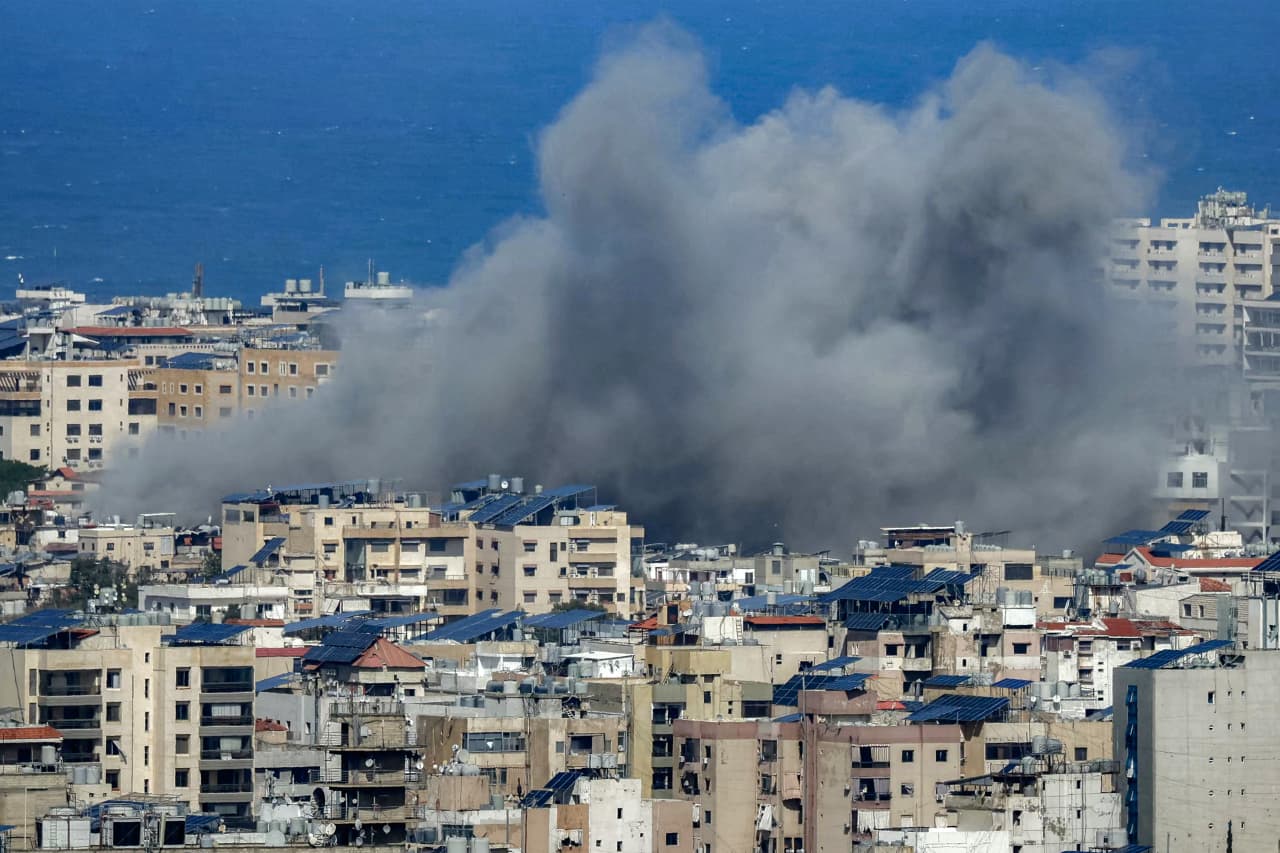
**London, UK – ** – International crude oil benchmarks are on a pronounced upward trajectory, closing in on their highest levels in four years, as persistent geopolitical instability surrounding the conflict in Iran continues to fuel market uncertainty. On Monday, both Brent crude and West Texas Intermediate (WTI) futures saw robust gains, with Brent nearing the pivotal $90 per barrel mark and WTI approaching $85, reflecting growing investor concern over potential supply disruptions from the crucial Middle Eastern region.
This latest surge underscores the profound impact of geopolitical risk on global energy markets. The enduring conflict in Iran, characterized by [briefly mention type of conflict, e.g., ongoing skirmishes, naval incidents, internal unrest], has created a volatile environment for oil production and transit. The market's anxiety is rooted in the fear that the conflict could either directly impede Iran's oil exports or disrupt critical shipping lanes through the Strait of Hormuz, a chokepoint through which approximately 20% of the world's total petroleum liquids pass daily. This critical juncture serves as a primary artery for oil flowing from Middle Eastern producers to global consumers.
Key market indicators on Monday highlighted the intensity of the rally. Brent crude futures for [nearest month] delivery advanced by over 2.5%, trading at approximately $89.50 per barrel, while WTI futures climbed by more than 2.8% to around $84.75. These figures represent substantial daily jumps and position both benchmarks to potentially close at their highest levels since [Month, Year, e.g., October 2018]. The upward momentum is further exacerbated by recent statements from [name of relevant official/entity, if available, e.g., an Iranian official, a market analyst] hinting at [briefly mention specific threat or concern, e.g., potential escalation, reduced output targets].
Broad Market and Economic Repercussions
The ripple effects of sustained high oil prices extend far beyond the energy sector, threatening broader economic stability. For importing nations, particularly those in Europe and Asia heavily reliant on Middle Eastern oil, increased crude costs translate directly into higher fuel prices for consumers and businesses, potentially stoking inflationary pressures. Industries such as transportation, manufacturing, and agriculture face escalating operational costs, which could lead to reduced profit margins, supply chain disruptions, and ultimately, a slowdown in economic growth. Central banks, already grappling with persistent inflation, may be forced to reconsider their monetary policy stances.
Expert Insights and Analysis
Energy market analysts are largely in agreement that geopolitical risk is the dominant factor driving current price action. "The market is pricing in an elevated risk premium due to the Iran situation," stated [Analyst Name, e.g., Dr. Elena Petrova], Head of Global Energy Research at [Institution Name, e.g., Zenith Capital Partners]. "Until there's a clear de-escalation or a definitive resolution, this geopolitical tension will continue to underpin prices. We could easily see Brent test the $95 mark if the conflict intensifies or if there's any perceived threat to shipping routes. The supply-demand fundamentals are already tight, so any disruption adds significant upward pressure." Other experts point to [mention another contributing factor, e.g., OPEC+'s disciplined output strategy, resilient global demand] as an additional layer of support for current price levels.
Future Outlook and Potential Scenarios
The trajectory of oil prices in the coming weeks and months will largely hinge on developments in the Iranian conflict. A swift de-escalation or a diplomatic breakthrough could provide some downward relief, though analysts caution that any significant reversal would likely require a fundamental shift in the geopolitical landscape. Conversely, any further escalation, such as direct targeting of oil infrastructure or a widening of the conflict to involve other regional actors, could send prices surging well over $100 per barrel, potentially triggering a global energy crisis. Market participants will be closely monitoring diplomatic efforts, military movements, and statements from key international players for any indications of a shift in the current volatile environment.
Beyond the immediate crisis, the situation also underscores the long-term vulnerabilities of a global energy system heavily reliant on a few critical regions. Nations are increasingly scrutinizing their strategic petroleum reserves and exploring avenues for diversifying energy supplies, including accelerating investments in renewable energy sources. However, in the short to medium term, the stability of the Middle East remains paramount for global oil market equilibrium.