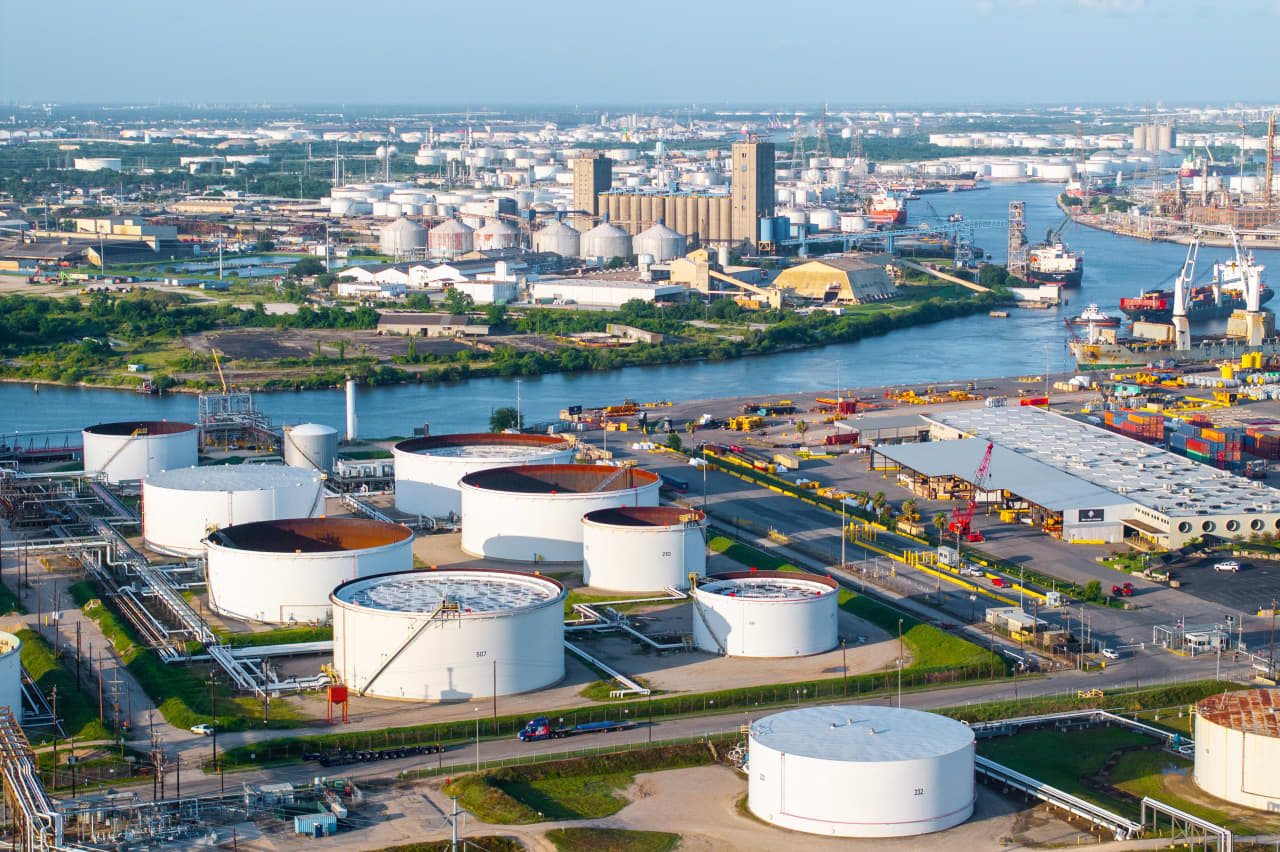
Global oil inventories are staring down a period of unprecedented depletion, with projections indicating a severe drop to critically disruptive levels in the near future. This stark warning, emanating from a recent analysis by investment banking giant J.P. Morgan, underscores a looming threat of renewed supply shortages that could ripple across the global economy. The assessment highlights that even after the anticipated reopening of the Strait of Hormuz – a vital chokepoint for a significant portion of the world's oil trade – a full restoration of stockpiles to pre-conflict benchmarks is not expected for roughly four months, leaving global markets acutely vulnerable.
The Gravity of Diminishing Reserves
This impending reduction in oil inventories is not merely a statistical anomaly; it represents a significant erosion of the world's strategic buffer against supply shocks. Historically, robust stockpiles have provided a crucial cushion, absorbing disruptions from geopolitical events, natural disasters, or unexpected demand surges. The current trajectory, however, suggests this resilience is rapidly diminishing. The Strait of Hormuz, through which an estimated 21 million barrels of oil pass daily – or nearly 21% of global petroleum liquids consumption – remains a pivotal focal point. Its closure, or even sustained restrictions, would undoubtedly trigger an immediate price spike and severe supply crunch, further depleting already strained reserves.
J.P. Morgan's Alarming Forecasts
J.P. Morgan's detailed analysis paints a concerning picture. While specific figures on current stockpile levels were not publicly disclosed in the initial reports, the banking firm's language — using terms like "critically disruptive" — strongly implies that current inventories are far below comfortable operating thresholds. Their projection of a four-month recovery period post-Hormuz reopening is critical. This extended timeline suggests that the underlying issues contributing to low stockpiles are deeply entrenched, likely stemming from a combination of sustained high demand, recent production cuts by major oil-producing nations, and a potential underinvestment in new upstream projects. The financial services firm's report likely considers a complex array of factors, including global demand growth, OPEC+ production quotas, and the rate of non-OPEC supply increases.
Broadening Impact on Global Markets
The implications of critically low oil stockpiles extend far beyond the energy sector. Such a scenario virtually guarantees heightened price volatility, directly impacting transportation costs, manufacturing expenses, and ultimately consumer prices across various goods and services. Businesses heavily reliant on petroleum products, from aviation to petrochemicals, would face escalating operational costs, potentially leading to reduced profit margins or price increases passed on to consumers. Furthermore, consistent energy insecurity can dampen investor confidence, potentially leading to wider economic instability and slowing global growth. Emerging economies, often more susceptible to energy price shocks, would likely bear a disproportionate burden.
Expert Commentary and Strategic Responses
Energy analysts widely concur that current market dynamics are precarious. Dr. Anya Sharma, a senior energy economist at the Global Institute for Energy Studies, noted, "The J.P. Morgan report reinforces what many have been observing: a gradual erosion of system redundancy in the oil market. Our reliance on just-in-time inventories has made us highly susceptible to even minor disruptions. The four-month recovery window is a testament to the structural supply-demand imbalances that persist." Governments worldwide, particularly those with strategic petroleum reserves (SPRs), will face immense pressure to re-evaluate their current holdings and potential release strategies. The effectiveness of SPR releases, however, is diminished if the underlying supply deficit is prolonged, as the strategic reserve becomes a temporary fix rather than a long-term solution.
The Road Ahead: Navigating Uncertainty
The immediate future of global oil markets hinges significantly on several interconnected factors: the duration and nature of any current or future disruptions to the Strait of Hormuz, the response of OPEC+ nations to potential supply deficits, and the pace of demand growth from major economies. Should the Strait of Hormuz remain open and stable, the focus will shift to how quickly producers can ramp up output and if demand moderates. However, any renewed geopolitical tensions in the Middle East or further unexpected production outages could plunge the market into immediate crisis. Companies and nations alike are advised to fortify supply chain resilience and explore diversification of energy sources to mitigate the severe risks posed by dwindling oil stockpiles.