The Escalating Global Surveillance Arms Race
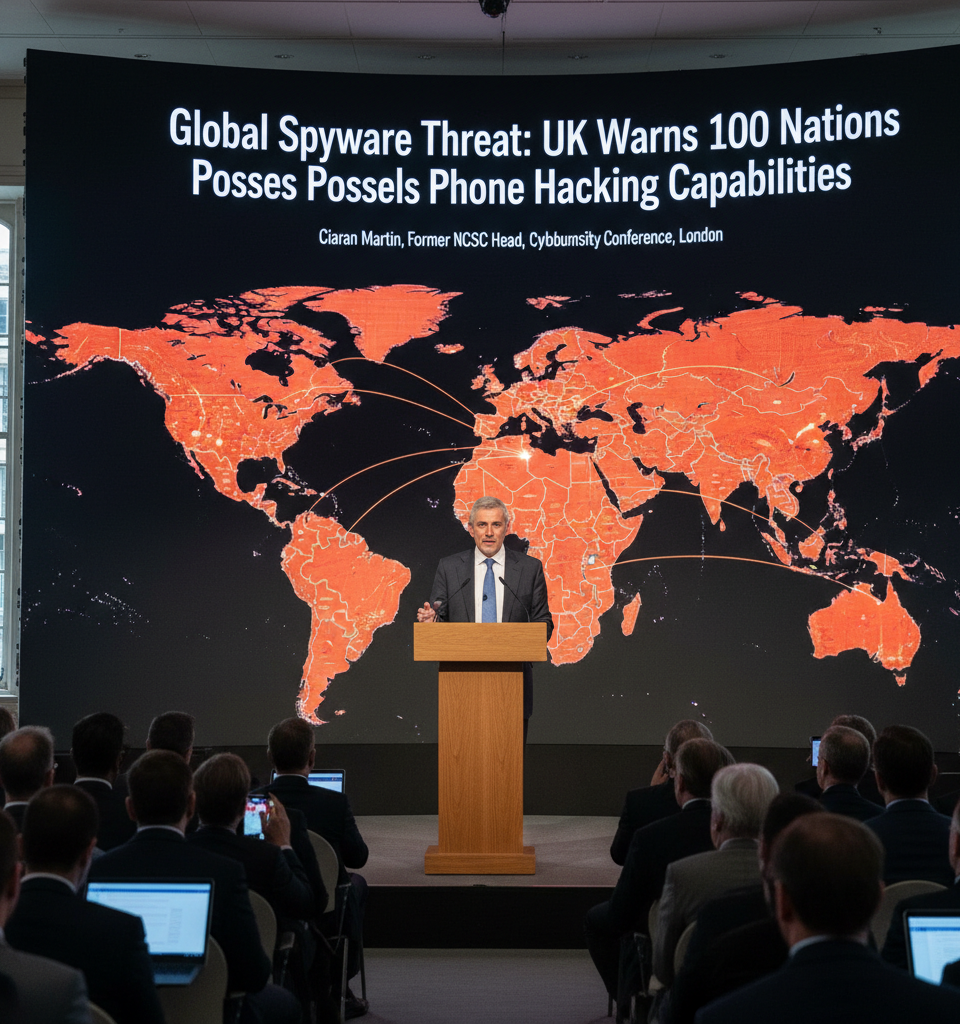
This alarming development is particularly significant as it illustrates a dramatic democratization of powerful surveillance tools, once the exclusive domain of a handful of top-tier intelligence agencies. The increasing availability, often through commercial vendors, allows a broader spectrum of governments to engage in sophisticated digital espionage. This trend not only targets dissenters and activists but also increasingly poses a risk to commercial entities, intellectual property, and essential services in democratic nations. The shift represents a fundamental change in the global power dynamic of cyber warfare, moving from highly specialized state-on-state confrontation to a more diffuse and unpredictable threat environment.
Underestimated Risks and Critical Vulnerabilities
Martin's warning, delivered during a recent industry conference, emphasized that UK organizations are critically underestimating the scale and nature of this threat. He highlighted that while much attention is given to nation-state attacks from traditional adversaries, the sheer number of countries now capable of deploying advanced spyware means the attack surface is far broader than typically perceived. These sophisticated tools can exploit zero-day vulnerabilities in popular mobile operating systems, allowing for remote access to communications, installed applications, location data, and even microphone and camera functions, often without the user's knowledge. The financial cost of remediation for such breaches can run into millions of pounds, alongside severe reputational damage and potential regulatory fines.
Commercialization Fuels Widespread Adoption
The widespread availability of this technology is largely due to a booming commercial spyware market. Companies like Israel's NSO Group, with its infamous Pegasus software, have pioneered the development and sale of sophisticated surveillance tools to governments globally. While these companies often claim to vet clients and restrict usage to crime and terrorism investigations, numerous reports have detailed their deployment against journalists, human rights activists, and political opposition figures. The estimated market size for these tools is projected to exceed $10 billion annually by 2027, driven by sustained governmental demand for intelligence-gathering capabilities that bypass traditional diplomatic or legal channels.
Expert Calls for Proactive Cyber Defense
Cybersecurity experts echo Martin's concerns, urging a more proactive and holistic approach to digital defense. Dr. Emily Carter, a senior cybersecurity analyst at the Institute for Strategic Dialogue, commented, "The era of relying solely on reactive measures is over. Organizations, particularly those in critical infrastructure sectors, must implement rigorous endpoint security, regular threat intelligence updates, and robust incident response plans. Employee training on phishing and social engineering remains paramount, as human error is often the weakest link." She also stressed the need for international cooperation to regulate the commercial spyware market and hold vendors accountable for misuse.
Regulatory Scrutiny and Future Implications
The revelation is likely to spur increased regulatory scrutiny both domestically and internationally. The UK government, through agencies like the NCSC, is expected to intensify its advisories and potentially mandate stricter cybersecurity standards for critical national infrastructure. Globally, there's growing pressure on international bodies to establish norms and legal frameworks governing the development, sale, and use of surveillance technologies. Future implications include potential sanctions against states or entities misusing these tools, alongside continued innovation in mobile security to detect and neutralize advanced threats. Businesses, regardless of sector, must anticipate heightened vigilance and investment in their cybersecurity postures to safeguard against this pervasive and evolving threat.
Preparing for an Omnipresent Digital Threat
The core message is clear: the threat of sophisticated mobile phone hacking is no longer a niche concern but a ubiquitous reality. UK organizations, from financial institutions to energy grids, must internalize this new paradigm. This necessitates not just technological upgrades, but also a cultural shift towards prioritizing cybersecurity at every level of operations. Without a concerted and proactive effort, the UK's digital resilience remains vulnerable to an increasingly armed and expansive global cyber espionage landscape.