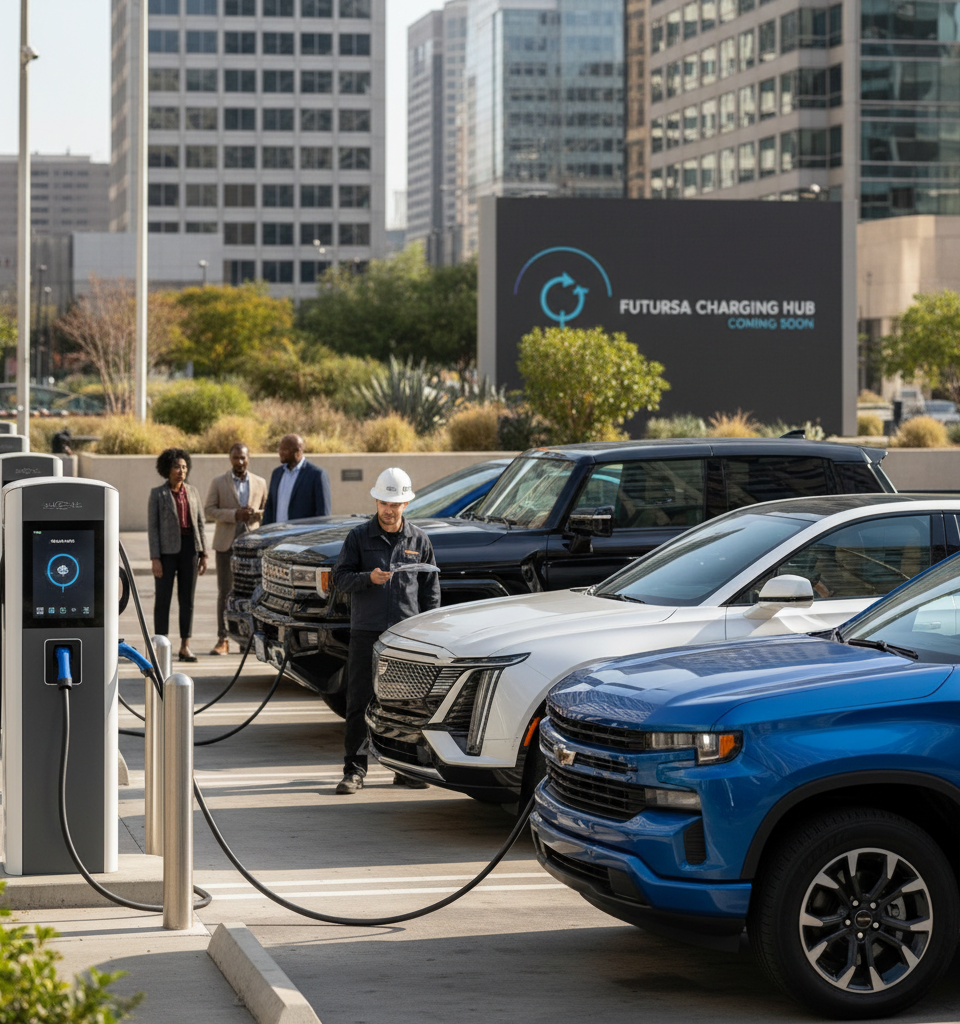
General Motors (GM) has announced that its electric vehicle (EV) lineup will soon gain compatibility with a broader spectrum of public charging stations. This strategic move aims to alleviate one of the most common concerns among potential EV buyers: the availability and interoperability of charging infrastructure. The update is anticipated to enhance the convenience and practicality of owning a GM EV, as drivers will no longer be as restricted to specific charging networks.
The widespread adoption of electric vehicles hinges significantly on the robustness and accessibility of charging solutions. Historically, the fragmented landscape of charging standards and connector types has posed challenges for EV owners, often limiting their choices when on the road. GM's initiative to open its vehicles to more charging types is a direct response to these market demands, signifying a push towards greater standardization and user-friendliness within the burgeoning EV ecosystem.
While specific technical details regarding the implementation, such as potential adapter requirements or software updates, were not immediately disclosed, the announcement underscores GM's commitment to accelerating EV adoption. The company has been investing heavily in its Ultium platform, which underpins its next generation of electric vehicles, and this charging compatibility expansion is a crucial complement to that technological push. Ensuring that these advanced vehicles can seamlessly integrate with existing and future charging networks is paramount to customer satisfaction and market penetration.
This development is expected to have a notable impact on the broader EV market landscape. By increasing the versatility of its vehicles, GM could potentially set a precedent for other automakers to follow suit, fostering a more interconnected and less proprietary charging environment. Such a shift could ultimately benefit all EV drivers, regardless of brand, by reducing the complexity and increasing the reliability of finding a suitable charging point during travel. It also signals a growing maturity within the EV sector, moving towards more collaborative and consumer-centric solutions.
Industry analysts have long pointed to charging infrastructure as a key bottleneck for mass EV adoption. Broader compatibility, such as that being introduced by GM, is viewed as a vital step in overcoming this hurdle. Experts suggest that as more vehicles become capable of utilizing diverse charging stations, the perceived risk of "range anxiety" – the fear of running out of power before reaching a charger – will diminish significantly, encouraging more consumers to make the switch to electric.
Looking ahead, this move by GM is likely part of a larger trend towards the harmonization of charging standards. The industry has seen various initiatives aimed at streamlining the charging experience, and GM's announcement further cements the trajectory towards greater interoperability. Future developments may include even more sophisticated plug-and-charge capabilities, where vehicles automatically authenticate and pay for charging, along with continued expansion of high-speed charging networks capable of efficiently powering these increasingly compatible EVs. The ultimate goal remains a charging experience that is as convenient and ubiquitous as refueling a gasoline-powered car.
This enhanced charging flexibility is expected to roll out to GM EV models in the near future, promising a more seamless and less restrictive ownership experience for current and prospective customers. The specifics of the rollout, including timelines and any necessary vehicle modifications or software updates, will be closely watched by both consumers and industry observers alike, as this represents a significant step forward in making electric mobility a more viable and attractive option for the masses.