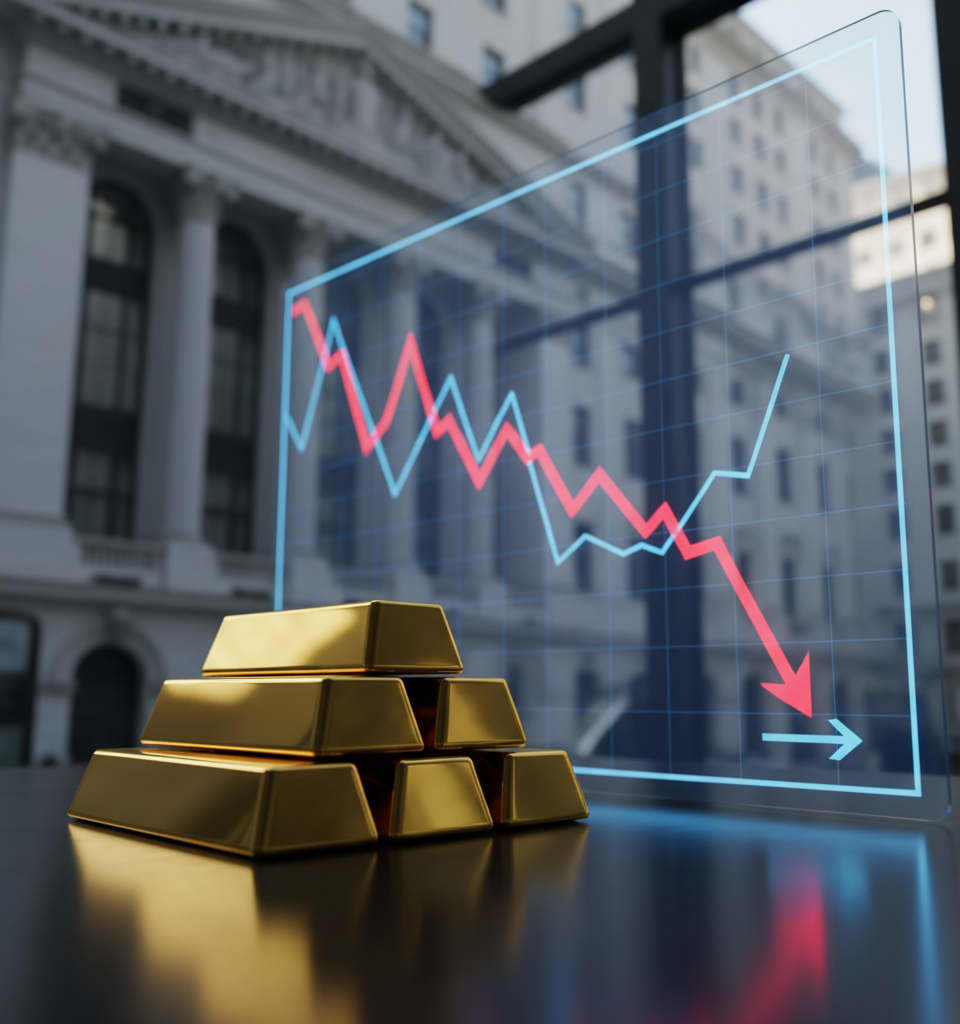
Global sellers facing currency volatility will find their hedging strategies challenged as gold's decline signals renewed U.S. dollar strength, impacting international transaction costs and investment valuations.
Gold prices dipped below $4,400 an ounce on September 7, 2026, as stronger-than-anticipated U.S. payroll data fueled market expectations of further interest rate increases by the Federal Reserve. The precious metal, often seen as a safe haven and inflation hedge, typically moves inversely to interest rates and the U.S. dollar. Today's movement reflects a broader market reaction to shifting monetary policy outlooks.
Market Context and Economic Backdrop
The movement in gold prices is directly linked to the latest U.S. employment figures. Robust payroll numbers often indicate a healthy economy, which can give central banks like the Federal Reserve more room to tighten monetary policy without fear of triggering a recession. Higher interest rates increase the opportunity cost of holding non-yielding assets like gold, making interest-bearing investments more attractive. This dynamic typically leads to a weaker gold price.
Historically, gold has served as a critical indicator of economic sentiment and inflationary pressures. When inflation is high or economic uncertainty prevails, investors often flock to gold. Conversely, periods of strong economic growth and rising real interest rates tend to diminish gold's appeal. The current decline suggests that market participants are prioritizing the implications of potential Fed tightening over other economic concerns.
Key Drivers: Strong Payrolls and Fed Speculation
The immediate catalyst for gold's price drop was the release of new employment data. While specific figures were not detailed, the description indicates these payroll numbers were strong, exceeding market expectations. This strength suggests a resilient labor market, which is a key factor the Federal Reserve considers when setting monetary policy. A tight labor market can contribute to wage inflation, providing a rationale for the Fed to continue raising rates to cool the economy.
Following the payroll report, bets on additional Federal Reserve rate hikes have reportedly revived. This indicates a significant shift in market sentiment, where investors are now pricing in a higher probability of the Fed increasing borrowing costs further in upcoming meetings. Such expectations bolster the U.S. dollar, making gold more expensive for holders of other currencies and further dampening its price.
Broader Market Implications
The recent drop in gold prices could signal broader shifts in global financial markets. A strengthening U.S. dollar, driven by renewed rate hike expectations, can impact international trade and capital flows. For companies engaged in cross-border transactions, a stronger dollar means imported goods become cheaper for U.S. buyers but U.S. exports become more expensive for foreign buyers. This can affect profitability and competitive positioning for global businesses.
Furthermore, the renewed focus on potential Fed tightening may lead to increased volatility across various asset classes, including equities and bonds. Investors will likely re-evaluate their portfolios in light of potentially higher borrowing costs and a stronger dollar, impacting investment decisions globally.
What Lies Ahead
Market participants will now closely monitor upcoming economic indicators and statements from Federal Reserve officials for further clues on monetary policy. Key data points will include inflation reports, consumer spending figures, and any commentary from Fed Chair Jerome Powell or other governors regarding the path of interest rates. Any signs of sustained economic strength or persistent inflation could solidify the case for further rate hikes, potentially exerting more downward pressure on gold.
Conversely, any unexpected weakness in future economic data or a dovish shift in Fed rhetoric could alleviate pressure on gold and allow it to recover some lost ground. The trajectory of gold prices will largely depend on the ongoing interplay between economic fundamentals and central bank policy decisions in the coming weeks and months.