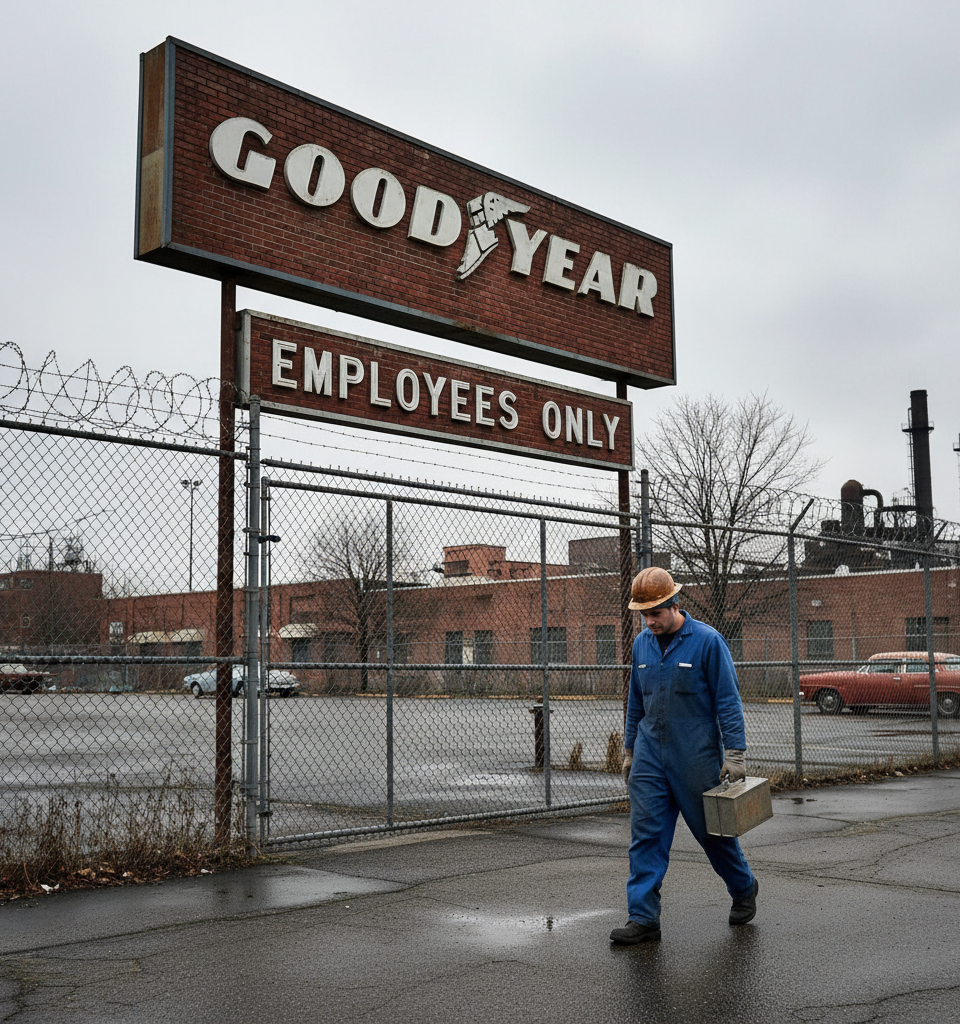
Goodyear Tire & Rubber Co. has initiated discussions regarding the potential closure of its Kinston, North Carolina, tire manufacturing plant, a decision that could lead to the loss of 1,700 jobs. The proposed shutdown is part of a broader strategic effort by the Akron, Ohio-based tire giant to restructure its manufacturing operations globally, responding to sustained weaknesses in market demand and persistent disruptions in the supply chain for critical raw materials.
Context and Background
This development comes at a challenging time for the automotive and related industries. Goodyear, like many of its peers, has faced a difficult operating environment characterized by inflationary pressures, higher interest rates dampening consumer spending on new vehicles, and a slowdown in replacement tire sales. The Kinston plant, operational since 1974, has been a cornerstone of Goodyear's production network, primarily manufacturing tires for passenger vehicles. The potential closure highlights a trend of manufacturing re-evaluations as companies seek greater efficiency and cost savings in a rapidly changing economic landscape. The tire industry, valued at over $200 billion globally, is highly capital-intensive and sensitive to economic cycles.
Key Details and Company Statement
A spokesperson for Goodyear confirmed that the company is engaged in consultations with employee representatives and local officials regarding the future of the Kinston facility. These discussions are mandated by collective bargaining agreements and local labor laws. While the company has not yet made a final decision, the initiation of these talks signals a serious consideration of closure. The spokesperson reiterated Goodyear's commitment to supporting affected employees through this transition, should the plant ultimately close, exploring options such as severance packages, outplacement services, and relocation assistance for certain roles within the company. Goodyear has been aggressively pursuing initiatives to reduce its fixed cost base and enhance profitability, including a recent announcement to cut $1 billion in costs by the end of 2025 across various operational areas.
Industry and Market Impact
The potential closure of a plant of Kinston's scale would reverberate throughout the tire manufacturing sector. It signals a continued rationalization within the industry, which is grappling with overcapacity in some segments and a shift towards higher-value specialized tires, including those for electric vehicles. Competitors such as Michelin and Bridgestone have also made adjustments to their global footprints in recent years. Analysts suggest that such moves, while painful for local economies, are often necessary for major manufacturers to maintain competitiveness and adapt to evolving market dynamics, including the increasing presence of lower-cost Asian imports. The broader economic impact on eastern North Carolina, where the plant is a major employer, would be significant, affecting local businesses and ancillary services.
Expert Perspective
Industry analysts view Goodyear's potential move as a pragmatic, albeit difficult, response to current market realities. "Goodyear is under immense pressure to improve its financial performance and generate greater shareholder value," noted an automotive industry analyst at a prominent New York investment bank. "Optimizing their manufacturing footprint, even if it means closing a long-standing facility, is a key lever in achieving those goals, especially with persistent oversupply concerns in certain tire segments and the push towards more sustainable and efficient production." Another expert highlighted the long-term shift towards automation and consolidation, suggesting that fewer, more technologically advanced plants might become the norm.
What's Next
The consultation period is expected to last several weeks, after which Goodyear will make a definitive announcement regarding the Kinston plant's future. If the decision is made to close, the wind-down process could take several months, involving detailed planning for equipment removal, environmental remediation, and robust employee support programs. Local and state economic development agencies in North Carolina are likely to engage with Goodyear to explore alternatives or mitigation strategies, though such efforts often have limited success once a company reaches this stage of discussions. The outcome will be closely watched by investors and labor unions alike, as it will set a precedent for how major industrial players navigate an increasingly volatile global economy.