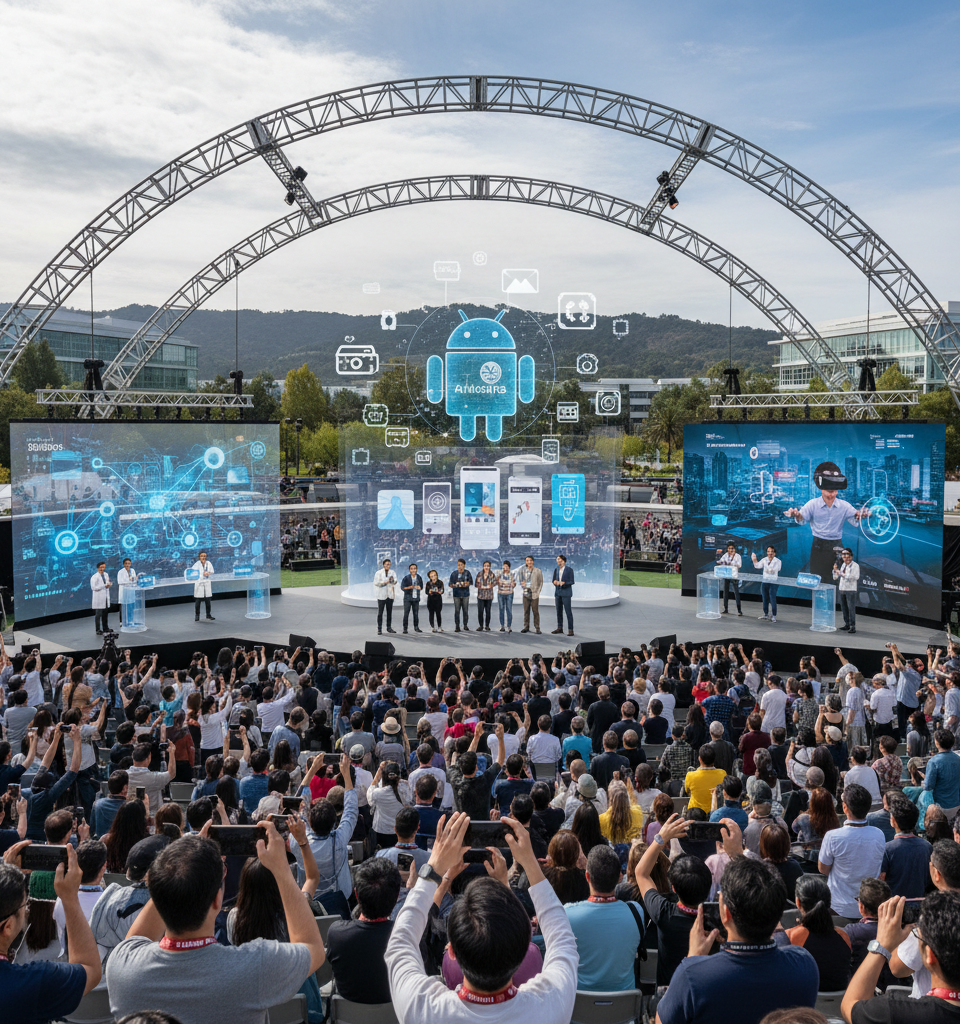
Google's highly anticipated I/O 2026 developer conference has commenced in Mountain View, California, gathering tech enthusiasts and developers worldwide. The annual event is poised to unveil a suite of major announcements that are expected to shape the future trajectories of Google's foundational technologies, including its ubiquitous Android operating system, the rapidly evolving Gemini AI platform, and its dedicated efforts in extended reality (XR). Live coverage from the event indicates a strong focus on innovation, hinting at releases that could redefine user interaction and developer capabilities across Google's vast ecosystem.
The significance of Google I/O extends beyond mere product launches; it serves as a critical barometer for the direction of the global technology landscape. Historically, I/O has been the stage for groundbreaking reveals, from the introduction of new Android versions to foundational AI research breakthroughs. This year’s conference arrives at a pivotal moment, with generative AI maturing and the XR market gaining momentum, making any announcements particularly impactful. The event provides a crucial platform for Google to showcase its leadership in these competitive domains and to rally its vast developer community around its latest initiatives.
Key expectations for this year's conference revolve around several pivotal areas. For Android, observers are anticipating details regarding the next iteration of the mobile operating system, potentially featuring enhanced privacy controls, further integration with AI, and improvements to its cross-device functionality. On the AI front, significant updates to Gemini AI are widely predicted, likely encompassing new multimodal capabilities, expanded developer tools, and perhaps a glimpse into its enterprise applications. The XR segment is also under intense scrutiny, with speculation ranging from new hardware partnerships to significant software advancements designed to bolster Google’s presence in augmented and virtual realities. The nature of these announcements is expected to solidify Google's strategy in delivering more integrated and intelligent user experiences.
The implications of these potential announcements could reverberate throughout the technology industry. Enhanced Android capabilities directly influence billions of users and countless app developers, potentially creating new monetization opportunities and user engagement models. Breakthroughs in Gemini AI could accelerate the adoption of generative AI across various sectors, challenging existing market leaders and fostering new types of applications. Furthermore, concrete steps in XR could intensify competition in a nascent but rapidly expanding market, potentially drawing more investment and innovation into this exciting field. The integrated nature of these updates suggests a cohesive strategy by Google to weave AI and immersive experiences seamlessly into its core offerings.
While specific expert commentaries from the ongoing event are still emerging, analytical consensus before the conference highlighted the strategic importance of AI and XR for Google's long-term growth. Analysts previously suggested that a strong showing in these areas is crucial for Google to maintain its competitive edge against rivals like Apple, Meta, and Microsoft, all of whom are heavily investing in similar technologies. The successful integration of these initiatives will be key to Google's ability to drive its next wave of technological innovation and market leadership.
Looking ahead, the announcements made at I/O 2026 are expected to set the development roadmap for the coming year, influencing how developers interact with Google's platforms and how consumers experience technology. Post-conference, the focus will shift to how quickly these new capabilities are adopted and integrated into products and services. The success of these initiatives will largely depend on developer enthusiasm and widespread user acceptance, paving the way for future iterations and expansions. The trajectory established this week in Mountain View is critical for Google's continued evolution in a dynamic technological landscape.