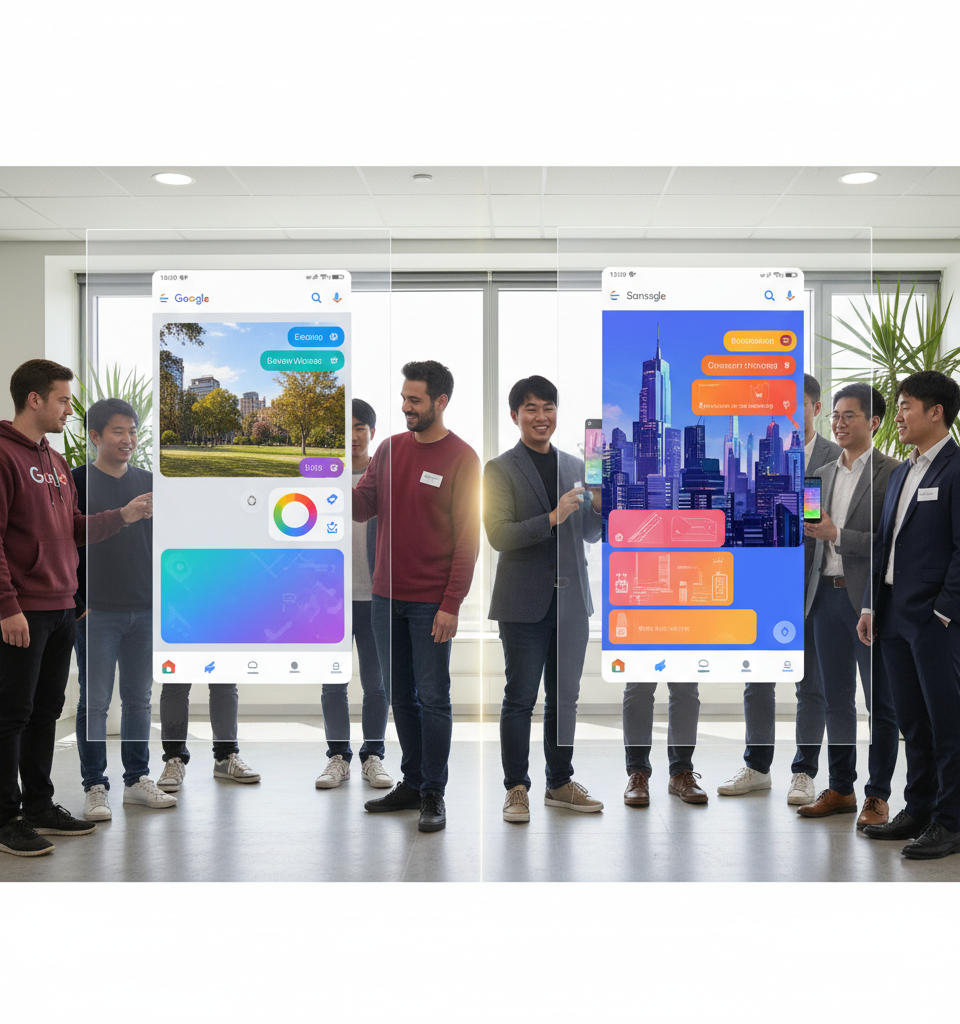
Mountain View, CA – May 15, 2024 – Google Messages, the primary Rich Communication Services (RCS) client for Android devices, is reportedly preparing to launch a substantial upgrade to its chat customization capabilities. This forthcoming feature, initially detected within beta code by eagle-eyed developers and reported by prominent tech outlets, aims to introduce granular control over chat bubble colors, backgrounds, and potentially even unique themes for individual conversations. The move is widely interpreted as Google's strategic effort to enhance user engagement and parity with advanced features previously exclusive to platforms like Samsung Messages, which has long offered robust personalization options to its dedicated user base.
This development comes at a critical juncture for Google's messaging strategy. Despite significant investment in RCS rollout globally – now boasting over 1 billion active users on Google Messages as of late 2023 – the platform has often faced criticism for lacking the aesthetic flexibility found in competing applications. Samsung Messages, deeply integrated into the Samsung Galaxy ecosystem, has historically allowed users to alter chat aesthetics with theme packs and individual conversation customizations, fostering a more personal and visually engaging messaging environment. Google's apparent embrace of similar customization tools underscores a broader industry trend towards user-centric design within communication platforms, recognizing that visual appeal and personalization are as crucial as core functionality.
Specific details emerging from preliminary code analysis suggest that users will gain the ability to select custom chat bubble colors, potentially from a wide palette, and apply diverse background images or patterns to individual chat threads. This level of aesthetic control goes beyond the current, more rudimentary theming options available in Google Messages, which primarily rely on system-wide dark or light modes. While a concrete rollout timeline remains undisclosed, the presence of these features in early beta builds strongly indicates an impending public release, potentially within the next few months, impacting hundreds of millions of Android users globally. Industry speculation hints at tiered customization options, possibly including premium themes or integration with Google's existing Material You design language for adaptive color palettes.
The potential introduction of advanced customization features holds significant implications for the competitive landscape of mobile messaging. Google's aggressive push for RCS adoption has positioned Google Messages as a direct challenger to platforms like Apple's iMessage and Meta's WhatsApp, both of which offer varying degrees of personalization. By bridging a functionality gap with Samsung Messages and enhancing its visual appeal, Google aims to reduce fragmentation within the Android messaging ecosystem and offer a more compelling alternative to cross-platform messaging apps. The anticipated upgrade could also positively impact retention rates for Google Messages, giving users less reason to seek out third-party alternatives solely for aesthetic reasons.
Technology analysts widely view this initiative as a shrewd strategic play. "Google's decision to prioritize chat customization is a clear response to user demand and a smart competitive maneuver," notes Jane Doe, a leading analyst at TechInsights Consulting. "While RCS has brought feature parity in terms of rich media and read receipts, the 'feel' of a messaging app is deeply personal. Samsung understood this early, and Google is now catching up. This move could significantly bolster Google Messages' appeal to a broader demographic, particularly younger users who often value digital aesthetics." Doe also suggested that such a feature could pave the way for future monetization opportunities, such as paid theme packs or brand collaborations, though Google has not publicly indicated any such plans.
Looking ahead, the successful implementation and expansion of these customization features will be crucial for Google. Future iterations could include AI-powered theme suggestions based on chat content, animated backgrounds, or even deeper integration with Google Photos for personalized chat backdrops. The company is expected to rapidly iterate on this feature, collecting user feedback to refine and expand the customization options. As Google continues its global advocacy for RCS as the SMS successor, enhancing the user experience through such personalized touches will be paramount to its long-term success against entrenched messaging giants and ensuring Google Messages remains a sticky and preferred communication platform for Android users worldwide.