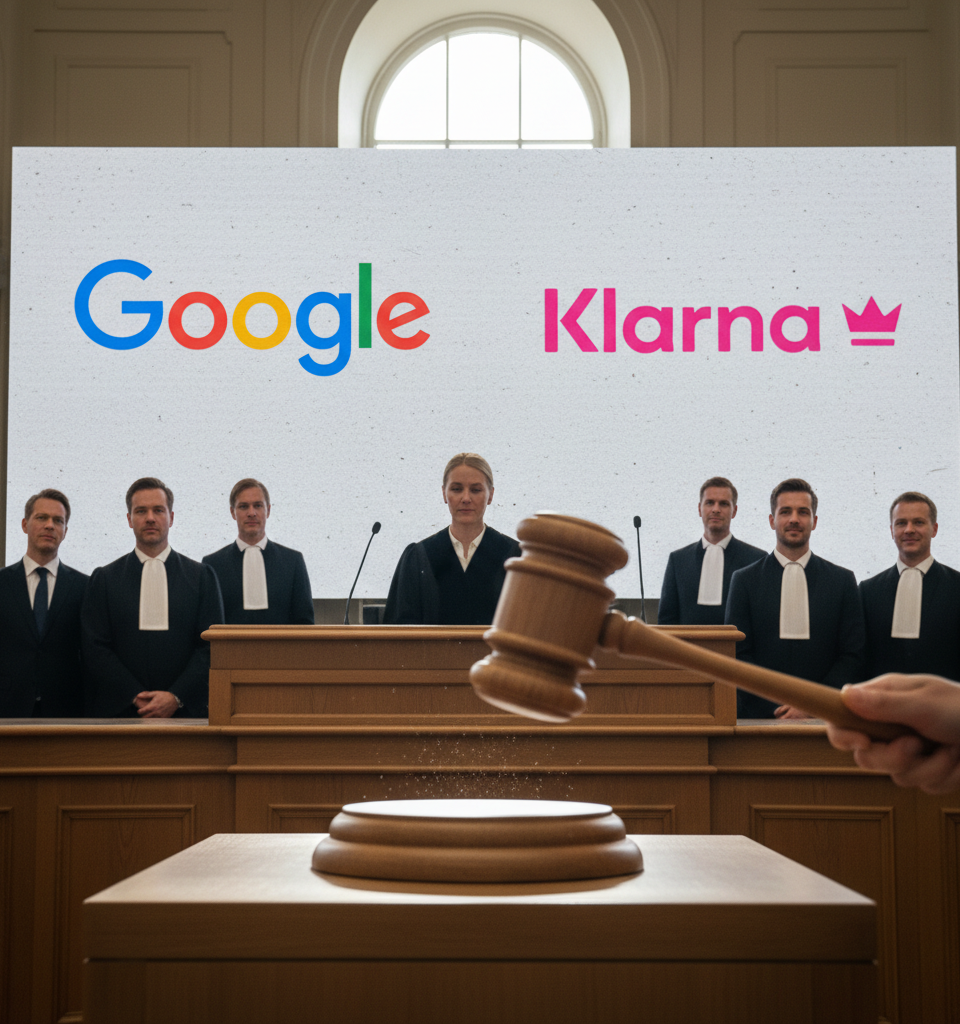
In a pivotal ruling, a Swedish court has ordered Google to pay financial technology behemoth Klarna nearly $2 billion after concluding that the search giant engaged in anti-competitive practices. The verdict, delivered recently, asserts that Google’s search engine algorithms unfairly prioritized its proprietary price-comparison service, disadvantaging competing platforms like Klarna’s and thereby impeding fair market competition in digital commerce.
This landmark decision underscores the escalating global scrutiny faced by dominant technology companies regarding their market power and competitive conduct. Regulatory bodies and courts worldwide are increasingly examining how large platforms leverage their comprehensive ecosystems to potentially stifle innovation and choice among smaller rivals. For Klarna, a prominent player in the buy-now-pay-later and online shopping sectors, the ruling represents a significant victory against a multinational technology goliath, potentially altering dynamics within the e-commerce and fintech spheres.
The core of the antitrust case centered on allegations that Google’s search results inherently favored Google Shopping, its own price-comparison service, over third-party alternatives. Klarna, which offers various shopping and payment services, argued that this algorithmic preference curtailed its visibility and ability to attract users directly from search queries. The court specifically identified practices that created an uneven playing field, hindering the ability of external services to compete effectively for user attention and traffic. While the precise details of how Google's algorithms were determined to be preferential have not been fully disclosed in this immediate context, the ruling sends a clear message about the responsibilities of platform providers.
The implications of this ruling extend beyond the immediate parties. It is expected to resonate across the European digital market, where similar antitrust concerns have been raised against Google and other Big Tech firms. Regulators in the European Union have been particularly active in pursuing cases related to Google's alleged dominance in search, advertising, and other digital services. This Swedish court decision could embolden other aggrieved companies and strengthen the resolve of antitrust authorities to pursue similar investigations and impose significant penalties.
The broader industry impact could be substantial. Companies reliant on Google's search engine for visibility may reassess their strategies, while policymakers might face increased pressure to implement more stringent regulations governing platform neutrality and fair competition. For consumers, a more level playing field could theoretically lead to greater choice and potentially more innovative services, as competing platforms are no longer fighting uphill battles against a platform owner's self-preference.
Expert Perspectives
Legal and economic experts suggest this ruling could serve as a precedent in future antitrust litigation, particularly concerning the self-preferencing behavior of digital platforms. Analysts indicate that the sheer magnitude of the fine – nearly $2 billion – reflects the court's view on the severity of the anti-competitive conduct and the potential damages incurred by Klarna. Some speculate that this financial blow, while substantial, might be viewed by Google as a cost of doing business, though the reputational damage and the potential for a cascade of similar rulings could be more impactful in the long run.
What's Next
Google has not yet publicly commented on whether it intends to appeal the Swedish court's decision. An appeal process could be lengthy, delaying the final resolution and payment. Nevertheless, the immediate impact is a clear legal victory for Klarna and a forceful statement from a national judiciary regarding the enforcement of antitrust laws in the digital age. This case will undoubtedly fuel ongoing debates about how to effectively regulate the power of global technology giants and ensure a competitive environment for innovation and consumer choice.