For technology firms, managing yearly product cycles against consumer expectations of innovation is critical for market share and brand loyalty. This iterative launch highlights a strategic decision to refine core performance rather than pursue disruptive design changes, a common industry balancing act.
Google's new flagship smartphone, the Pixel 11, is currently undergoing review. The device represents the company's latest annual update in its Pixel line, focusing on internal hardware improvements rather than a significant design overhaul. This approach follows the Pixel 10, which introduced notable camera advancements in the previous year.
Design Continuity and Internal Evolution
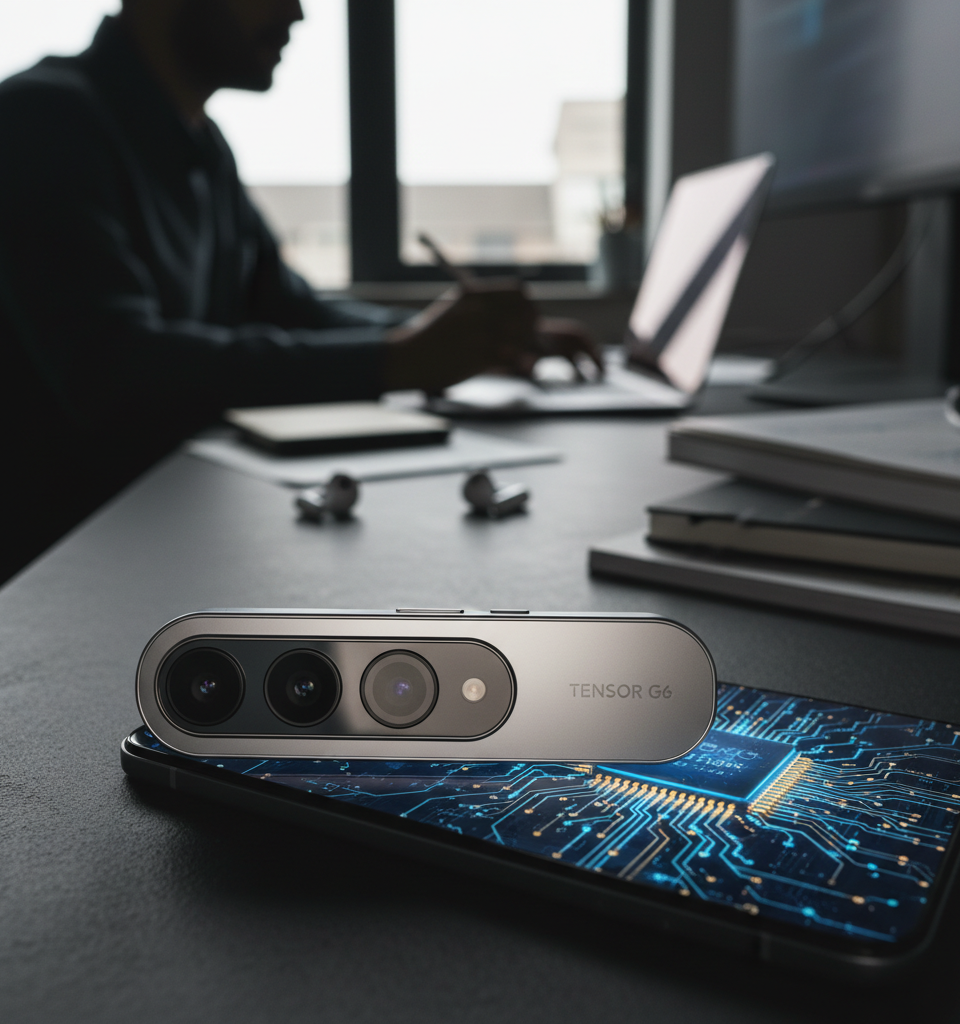
The Pixel 11 largely retains the aesthetic and physical form factor established by its predecessor. This design continuity suggests Google is comfortable with the current visual identity of its premium smartphone offering. The primary focus for this year's model appears to be under the hood, with the introduction of a new chipset at the forefront of its internal upgrades.
Beyond the core processor, the Pixel 11 is expected to feature other internal enhancements aimed at improving overall performance, battery efficiency, and possibly AI capabilities. These types of incremental improvements are standard in the smartphone industry, where major design changes often occur every two to three years, interspersed with performance-focused updates.
Market Context and Competitive Landscape
In a highly competitive smartphone market, Google's strategy with the Pixel line often revolves around showcasing the capabilities of its Android operating system and proprietary Tensor chips, along with its advanced computational photography. By prioritizing internal upgrades, Google aims to keep its device competitive in terms of speed, responsiveness, and its signature AI-driven features, which are increasingly critical for user satisfaction.
The decision to maintain the existing design could be a cost-saving measure, allowing resources to be allocated more heavily to research and development of core components like the chipset. This also streamlines manufacturing and supply chain processes compared to launching a device with a completely new physical design.
Anticipated Performance and User Experience
The new chipset is expected to deliver noticeable improvements in application loading times, multitasking efficiency, and graphic rendering for gaming or demanding applications. An improved display could offer enhanced brightness, color accuracy, or refresh rates, contributing to a smoother visual experience. Battery life is also a perennial focus for smartphone manufacturers, and internal optimizations often aim to extend usage between charges.
While specific details on the improved capabilities will emerge from comprehensive reviews, the Pixel line generally positions itself on the strength of its software integration and camera prowess. The ongoing reviews will assess how effectively these internal changes translate into tangible benefits for the end-user in everyday scenarios, particularly against high-end offerings from rivals like Apple and Samsung.
What's Next for the Pixel Line
Following the current review phase, market availability and initial sales figures will provide crucial insights into consumer reception of this iterative update. Google will likely continue to refine its Tensor chip strategy, leveraging its custom silicon to differentiate the Pixel experience from other Android devices. Future iterations could see a return to more significant design overhauls, potentially integrating new form factors or display technologies as they mature. The long-term success of the Pixel line hinges on Google's ability to consistently deliver a compelling blend of hardware and software, even in years focused on refinement rather than revolution.
The emphasis on internal improvements suggests Google is building a strong foundation, potentially setting the stage for more ambitious innovations in future Pixel generations. The market will closely watch how these updates resonate with consumers seeking performance and reliability within a familiar package.