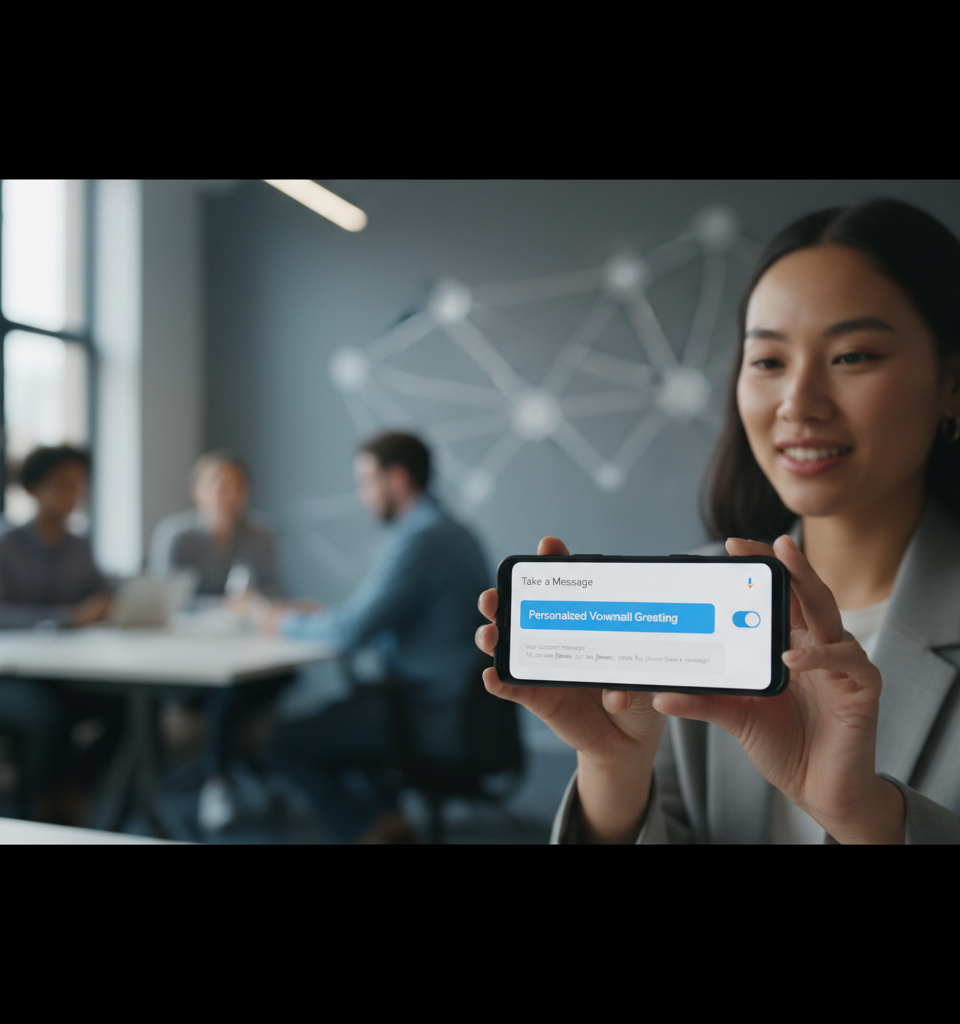
MOUNTAIN VIEW, CA – Google has begun rolling out a highly anticipated update to its Pixel smartphone series, introducing personalized voicemail greetings for its AI-driven 'Take a Message' feature. This enhancement, which began appearing for users in late May 2024, directly addresses a long-standing request from the Pixel community, allowing owners to record custom messages that callers hear before Google Assistant screens and transcribes their voicemail. The integration marks a significant step in refining the user experience for Google's innovative call management tools, moving beyond generic automated responses to provide a more humanized and professional interaction.
Context and The Evolution of Call Screening
The ability to dictate one's own greeting might seem like a minor addition, but it represents a crucial refinement of Google's broader strategy in combating spam calls and enhancing communication. 'Take a Message', a component of Google's celebrated Call Screen feature, leverages advanced large language models to interact with unknown callers, transcriber their intent in real-time, and protect users from unwanted disturbances. Previously, callers were met with a standard, albeit clear, Google Assistant voice informing them of the screening process. This impersonal approach, while effective, often left users yearning for the familiar customizability of traditional voicemail. The new option bridges this gap, making the process feel less robotic and more akin to a personalized answering service. This move also highlights Google's continuous commitment to refining its AI-powered features based on direct user feedback and evolving communication norms.
Key Details of the New Feature
Accessing the new custom greeting functionality is straightforward. Pixel users navigate to the Phone app settings, then to 'Call Screen', and finally to 'Take a Message'. Within this menu, a new 'Voicemail greeting' option allows users to record and manage their personalized messages. The process is intuitive, guiding users through recording, reviewing, and saving their preferred greeting. This personalized touch extends Google's Assistant's capabilities beyond mere transcription, embedding a layer of user individuality into a highly sophisticated AI system. The feature is expected to be available on Pixel 6 and newer models, coinciding with recent Android software updates. Anecdotal reports suggest a phased rollout, with many users in North America and Europe reporting access throughout the last week of May.
Industry and Market Impact
The introduction of customizable greetings for an AI-powered voicemail service holds implications for the broader smartphone and telecommunications markets. While traditional carriers have long offered generic or custom voicemail, Google's integration within an intelligent call screening system sets a new standard. Competitors, particularly Apple, may now feel pressure to evolve their own voicemail and call management solutions to incorporate similar levels of AI sophistication combined with user personalization. This move further solidifies Google Pixel's reputation as a leader in applying AI to practical, everyday smartphone functions, distinguishing its offerings in a crowded market. For businesses, this could mean more professional-sounding initial interactions for inbound calls, even when screening, improving customer perception.
Expert Perspective on User-Centric AI
Technology analysts are largely commending Google's update. "This isn't just about a new feature; it's about making AI more human-centric," notes Dr. Evelyn Reed, a lead analyst at TechInsights. "Google is smartly addressing the emotional and practical aspects of communication. A personalized greeting offers reassurance to callers and provides a better initial impression than a purely robotic voice, even if an AI handles the subsequent transcription. This iterative improvement demonstrates a maturity in how Google approaches AI integration – not just for technical prowess, but for genuine user benefit." Industry observers anticipate that such thoughtful integrations will be key differentiators in the next generation of smart devices.
The Road Ahead: Future Implications
The personalization of 'Take a Message' is likely just one step in Google's ongoing efforts to enhance its AI-powered communication tools. Future developments could include dynamically generated greetings based on time of day or caller identity, or even multi-language custom greetings. As AI models become more sophisticated, the line between automated and human interaction will continue to blur, driven by functionalities that prioritize both efficiency and personal connection. We can expect Google to continue leveraging its vast AI research into features that make daily communication more seamless, intuitive, and, ultimately, more human, pushing the boundaries of what a smartphone can achieve in managing our digital lives. The success of this rollout will undoubtedly inform future AI-driven user experience refinements across Google's ecosystem.