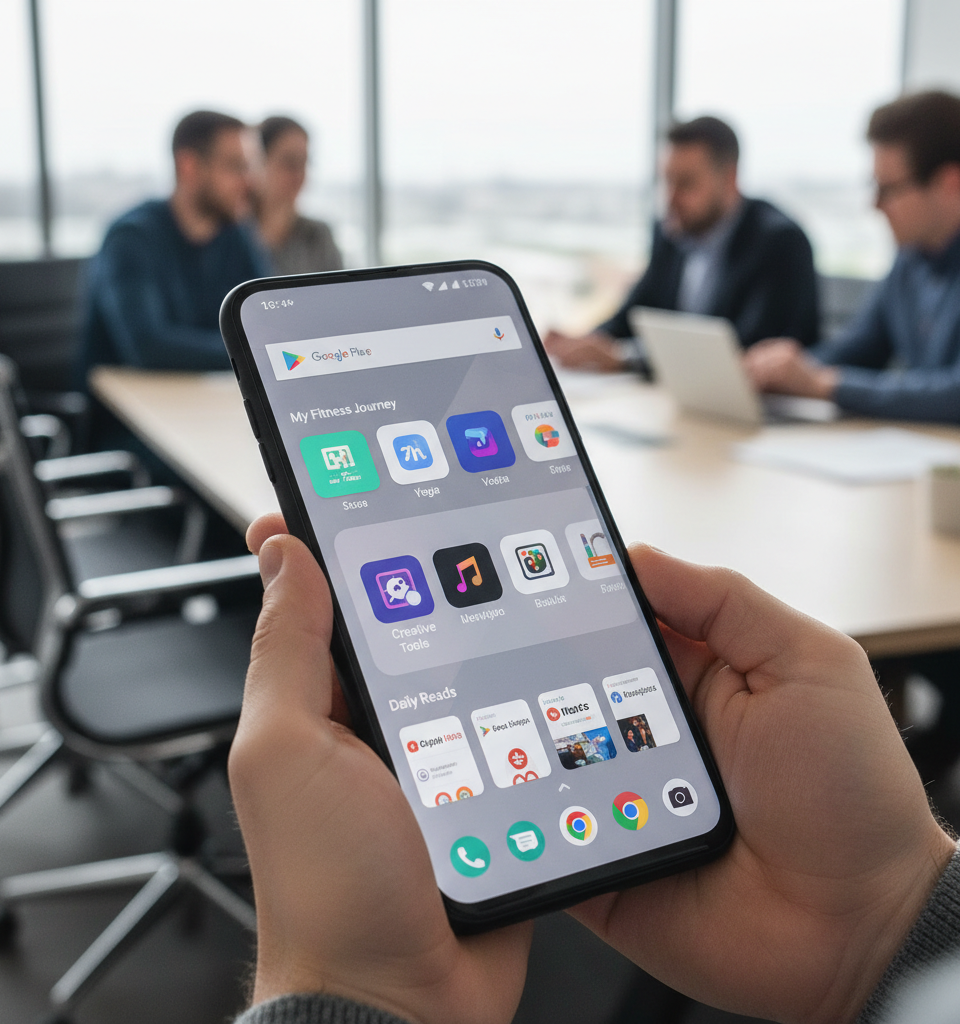
Google is reportedly nearing the introduction of a new functionality within the Google Play Store designed to enhance user personalization: widgets for individual Collections. This anticipated update will enable Android users to select and display specific app Collections directly on their device's home screen or other widget-supporting interfaces. The move signifies a continued push by Google to refine the user experience within its expansive app ecosystem, offering a more tailored and efficient way to engage with curated app lists.
This development comes amidst a broader trend in mobile operating systems towards greater home screen customization and intelligent content delivery. In recent years, both Android and iOS have progressively offered users more options to personalize their device interfaces, moving beyond static app icons to dynamic widgets that provide glanceable information and direct access to specific app functions or content. For the Play Store, this means users will soon have the ability to elevate their most valued or frequently accessed app Collections, transforming them from an in-app feature into an always-present, easily accessible component of their daily device interaction.
The core functionality of these new widgets is expected to be straightforward: users will be able to choose a specific Collection they have previously created or saved within the Play Store, and that Collection will then be rendered as a home screen widget. This could dramatically streamline the process of discovering new apps within pre-defined categories like "Productivity Tools," "Workout Apps," or "Games to Play This Weekend." While the exact size and configuration options for these widgets are yet to be fully detailed, it is anticipated they will offer various layouts to suit different user preferences and screen real estate.
This enhancement could have a notable impact on app discovery and user engagement within the Play Store. By making Collections more accessible, Google might see an increase in the utilization of this feature, which was previously somewhat buried within the app. For developers, this could present a new avenue for app visibility, particularly if their applications are featured in popular or widely shared Collections. It encourages a more organized approach to app management, potentially reducing the time users spend navigating menus to find relevant applications.
Industry analysts suggest that this widget integration could also subtly shift how users perceive and interact with the Play Store itself. Instead of merely being a portal for downloads, it further positions the Play Store as a dynamic content curated platform that can adapt to individual user needs on a persistent basis. This personalized approach aligns with Google's broader strategy across its services, aiming to provide more contextually relevant and readily available information.
The rollout of these widgets is expected to be phased, characteristic of Google's typical release cycles for new features. Users will likely need to ensure their Google Play Store application is updated to the latest version once the feature becomes generally available. This move underscores Google's commitment to continuous improvement of the Android user experience, leveraging personalization to foster deeper engagement with its platform and services.
As the mobile app landscape continues to evolve, features like these Play Store widgets are crucial for maintaining user satisfaction and competitive edge. They represent an ongoing effort to make the vast universe of Android apps more manageable and enjoyable for millions of users worldwide.