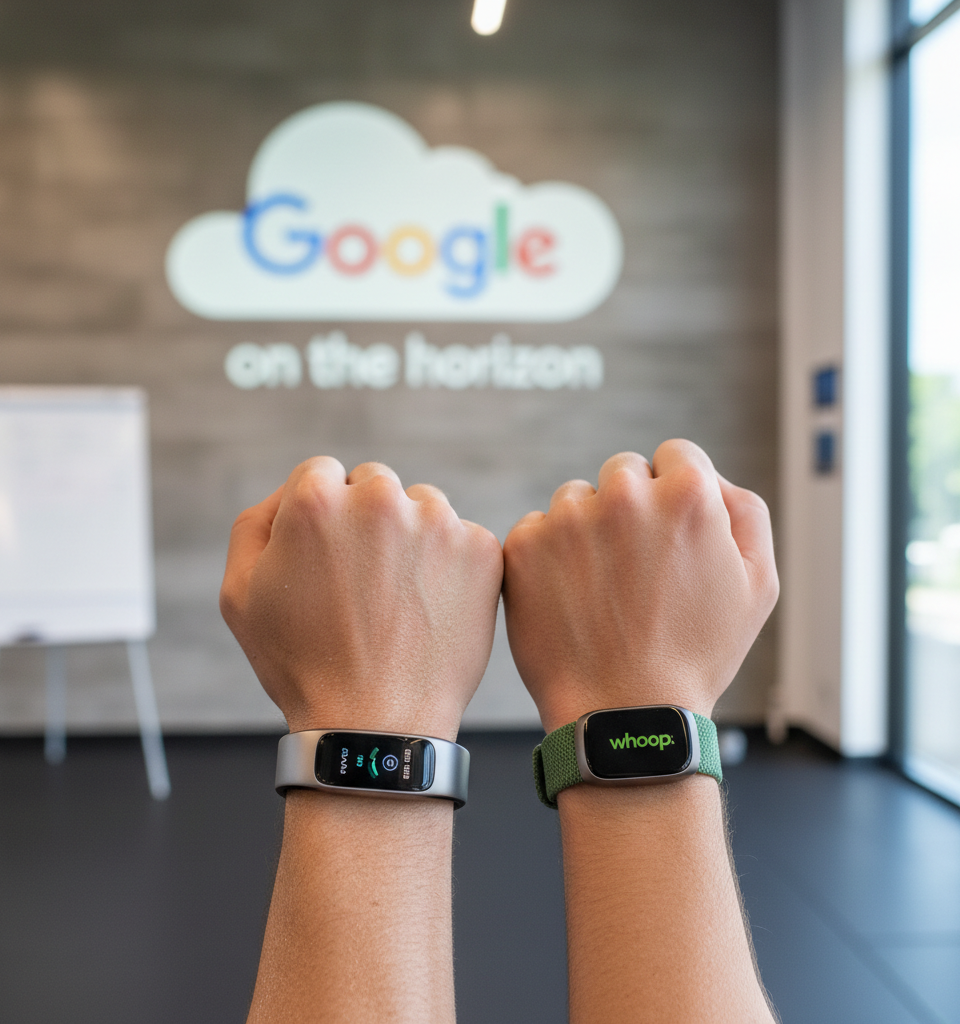
Google's Fitbit Air: A Potential Whoop Challenger on the Horizon?
GlobalSell Staff•April 23, 2026•5 min read
Key Takeaways
Read this first — then go as deep as you need.
Google's Fitbit Air: A Potential Game-Changer in Wearable Health Speculation is mounting over the impending launch of a new Fitbit device, tentatively named "Fitbit Air," which analysts believe could represent Google's most ambitious push yet into advanced biometric health tracking. While official confirmation from Google remains elusive, a flurry of credible leaks and industry whispers suggest the forthcoming tracker is poised to challenge established players like Whoop and Oura Ring, offering a compelling blend of comprehensive health metrics and seamless Google ecosystem integration. The potential introduction of this device marks a critical juncture for Google's Fitbit division, aiming to reclaim market share and redefine what consumers expect from a wrist-worn health monitor. This anticipated release arrives at a pivotal moment for the wearable technology sector. The market has seen a distinct bifurcation: mass-market smartwatches offering broad functionality versus specialized health trackers providing in-depth physiological data. For years, Fitbit successfully dominated the former, but the rise of premium, subscription-based trackers like Whoop, with its focus on recovery and performance optimization, has created a new high-value segment. Google's acquisition of Fitbit for approximately $2.1 billion in 2021 signaled its intent to become a serious contender in health tech, and the "Fitbit Air" appears to be the culmination of that strategic vision, bridging the gap between comprehensive health insights and mainstream accessibility. Key details, though unconfirmed, paint a picture of a device designed for serious health enthusiasts. Reports suggest the Fitbit Air will boast significantly enhanced sensor capabilities, potentially including advanced skin temperature sensing for illness detection and fertility tracking, improved continuous glucose monitoring capabilities through non-invasive means, and more precise heart rate variability (HRV) measurements to accurately assess stress and recovery. A major rumored feature is the integration of more sophisticated sleep stage tracking with actionable insights, moving beyond basic sleep duration to provide highly personalized recovery recommendations. Furthermore, there's strong anticipation for tighter integration with Google Assistant, Google Maps, and potentially Google Wallet, leveraging the broader Google ecosystem to enhance user experience and utility. Should these rumored features materialize, the Fitbit Air could significantly disrupt the landscape dominated by players like Whoop, which established a strong foothold with its focus on athletic performance and recovery metrics, often behind a subscription paywall. The potential for Google to offer comparable or superior biometric data at a more competitive price point, or with a more flexible subscription model, poses a significant threat. Moreover, the brand recognition and global distribution power of Google/Fitbit could rapidly accelerate adoption, drawing users away from niche competitors and expanding the overall market for advanced health trackers. This shift could force competitors to innovate more rapidly or differentiate their offerings further to maintain their market positions. Industry analysts are keenly watching Google's next move. "If Google can deliver on the rumored specs for the Fitbit Air, especially concerning sleep, recovery, and potential non-invasive glucose monitoring, it could be a game-changer," states Dr. Anya Sharma, a lead analyst at WearableTech Insights. "The challenge for Google will be to translate complex biometric data into easily understandable, actionable insights without overwhelming users, and to build out a compelling subscription service that rivals the perceived value of Whoop's offering. The ecosystem plays will be crucial; deep integration with Android and other Google services could be its strongest differentiator." The emphasis will be on accuracy, user experience, and the ability to leverage Google's AI capabilities for predictive health insights. Looking ahead, the success of the Fitbit Air will hinge on several factors beyond its specifications. Battery life, often a critical deciding factor for continuous health monitoring devices, will need to be competitive, ideally exceeding several days on a single charge. The design and comfort, given it's a device meant for 24/7 wear, are also paramount. Moreover, Google's strategy regarding data privacy and security will be scrutinized, especially as these devices collect increasingly sensitive personal health information. Future iterations could see even more advanced integrations with medical professionals and healthcare systems, solidifying Fitbit's position not just as a consumer gadget, but as a critical component of personal health management. The wearable tech market is poised for a significant shake-up, and all eyes are on Google to deliver a device that lives up to the immense hype. The potential for the Fitbit Air to offer rich, granular health data alongside smart features like GPS, NFC payments, and broader smart home control could create a highly compelling value proposition that surpasses current specialized trackers. Imagine a device that not only tells you your HRV but also proactively suggests adjusting your workout based on your sleep quality, integrates seamlessly with your smart home thermostat to optimize bedroom temperature for better sleep, and offers personalized nutritional guidance based on your activity levels. This convergence of deep health insights with everyday utility is where Google could truly distinguish the Fitbit Air. The competitive landscape is robust, with Garmin offering strong athleticism-focused devices and Apple continually enhancing its Apple Watch health features. However, Google's approach with Fitbit Air appears to be a direct assault on the high-end biometric tracking niche, aiming to democratize advanced health insights. The company's ability to market these sophisticated features to a broad audience, while also maintaining the precision and reliability expected by elite athletes and health enthusiasts, will be critical. If executed correctly, Fitbit Air could indeed be the device that finally brings comprehensive, actionable health intelligence to the mainstream, redefining expectations for what a wearable tracker can achieve. Ultimately, industry observers and potential consumers alike await official announcements with bated breath. While the "Fitbit Air" remains largely a rumor, its potential to merge Google's technological prowess with Fitbit's health tracking heritage promises a device that could not only challenge existing market leaders but also set new standards for personalized health monitoring in the wearable tech sphere. The implications for consumer health, fitness tracking, and the competitive dynamics of the tech industry are significant, making this an event of considerable importance.
Discussion
Join the discussion
Sign in to leave a comment on this article.
Loading comments...
Enjoying this article?
Get more like it delivered to your inbox — free.
This article was compiled by GlobalSell News from publicly available reporting and has been edited for clarity and length. For full details, read the original source.