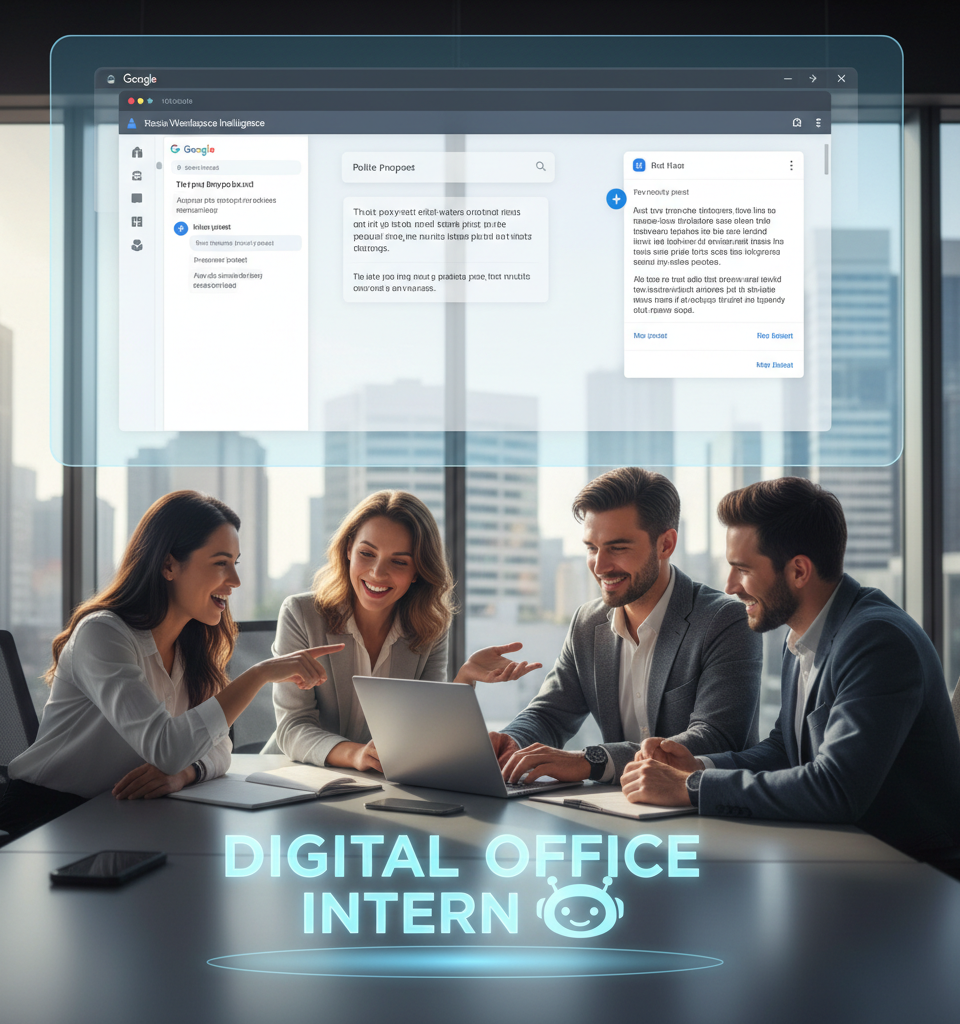
The Dawn of Workspace Intelligence: A Paradigm Shift in Office Productivity
This latest update underscores a critical inflection point in the race for enterprise AI dominance. For years, Google has been a pioneer in AI research, and Workspace Intelligence represents the culmination of these efforts, directly applied to its massive user base. The initiative addresses a growing demand for intelligent tools that can not only automate routine tasks but also anticipate user needs and enhance decision-making. Historically, office software has relied on manual input and rule-based automation; Workspace Intelligence, however, employs machine learning to understand context, learn from user behavior, and adapt dynamically, offering a personalized and proactive assistant experience within the familiar Workspace environment.
Key Features Redefining Everyday Workflow
The integration of Workspace Intelligence brings several transformative features. In Gmail, users can expect more sophisticated smart replies, automatic email drafting based on past conversations, and even intelligent inbox prioritization. Google Docs will see enhancements like AI-generated summaries of long documents, smart grammar and style suggestions far beyond basic spellcheck, and automated content generation for outlines or initial drafts. Within Google Sheets, the AI will assist with complex data analysis, identifying trends, suggesting formulas, and even creating insightful visualizations with simple natural language queries. For Google Slides, the system promises AI-powered content recommendations, automatic slide creation from notes, and design coherence suggestions. Early benchmarks suggest these features could reduce time spent on administrative tasks by up to 20-30% for routine users, freeing up valuable time for more strategic work. Google has also emphasized a strong focus on data privacy and security, with Workspace Intelligence designed to operate within existing enterprise data governance frameworks.
Broader Market Implications: A New Competitive Battlefield
Google's aggressive AI integration into Workspace sends a clear message to rivals like Microsoft and Adobe. Microsoft, with its Copilot integration into Microsoft 365, is already a formidable competitor, but Google's approach emphasizes a seamless, pervasive AI layer across all Workspace applications. This intensified competition is likely to accelerate innovation across the entire office productivity software market, benefiting consumers with more advanced, feature-rich tools. Small and medium-sized businesses, in particular, stand to gain significant advantages, as they can leverage sophisticated AI capabilities without the need for extensive in-house data science teams or massive custom software investments. The battle for enterprise AI mindshare is heating up, with user experience and ethical AI deployment becoming critical differentiators.
Expert Analysis: The Intern That Never Sleeps
Industry analysts are keenly observing Google's move. "Google Workspace Intelligence is essentially giving every user a highly efficient, perpetually available digital intern," explains Dr. Anya Sharma, a lead analyst at TechInsights. "The value proposition isn't just automation; it's about augmentation – enhancing human capabilities rather than replacing them entirely. The ability for AI to understand context and generate meaningful content on the fly will be a game-changer for knowledge workers. However, user adoption will hinge on the AI's accuracy and perceived trustworthiness, especially for sensitive business communications." Other experts emphasize the potential for increased demand for AI-literacy training within organizations as employees adapt to these new intelligent tools.
The Road Ahead: Ethical AI and Continuous Evolution
Looking ahead, Google plans to continuously evolve Workspace Intelligence, with future updates likely to include more personalized AI agents, deeper integration with third-party business applications, and enhanced predictive capabilities for project management and resource allocation. The company has also committed to an ethical AI framework, emphasizing transparency in how AI models make decisions and providing users with control over their data. The long-term vision is a self-optimizing work environment where AI proactively manages workflows, identifies inefficiencies, and fosters collaboration. This initial launch is merely the first step in what promises to be a sustained effort to embed intelligence at every layer of the digital workplace, potentially reshaping the future of work itself for millions of professionals globally.