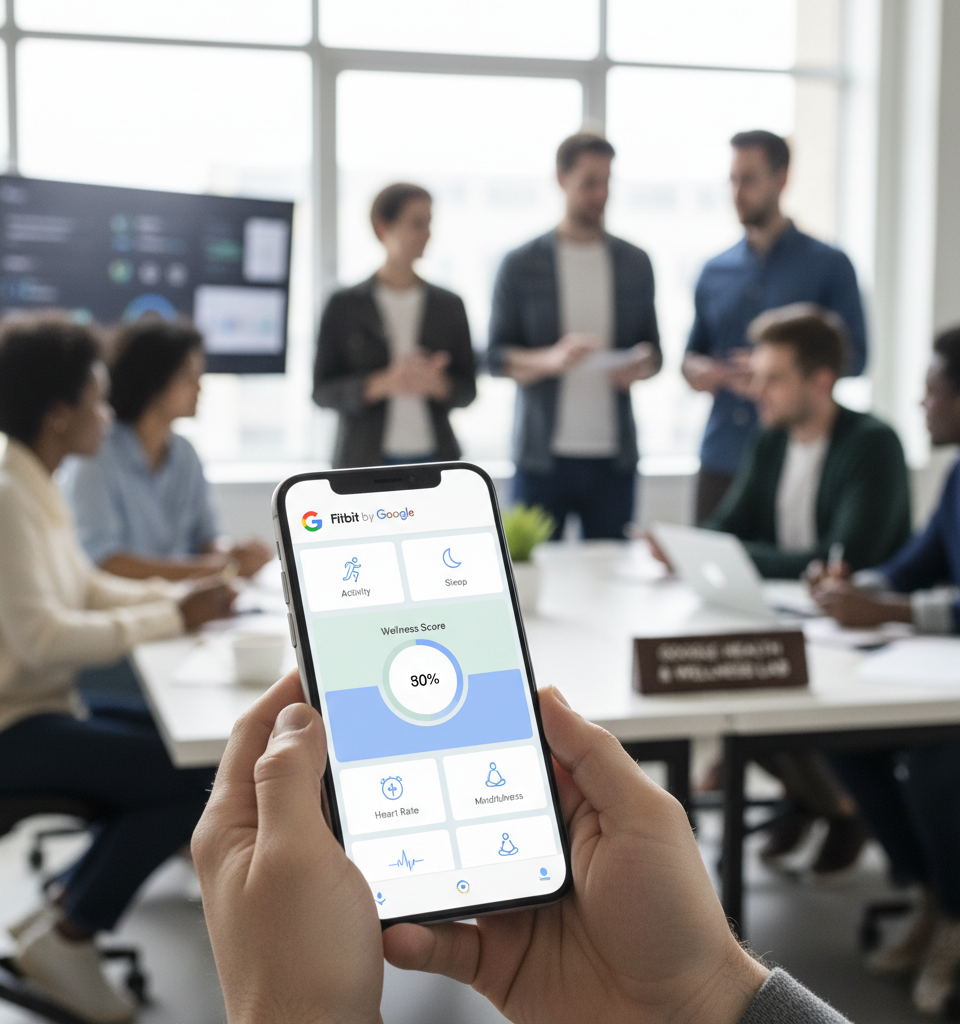
Google is rolling out a significant update to the Fitbit app starting May 19, positioning it as a central, unified portal for all user health and fitness data. This strategic evolution aims to create a more cohesive and user-friendly experience, integrating diverse biometric information previously scattered across multiple applications or devices. The initiative underscores Google's commitment to strengthening its presence in the burgeoning digital health sector, leveraging its acquisition of Fitbit to offer a more holistic wellness solution.
Context and Strategic Intent
The move comes amid increasing consumer demand for integrated health solutions and intense competition within the digital wellness market. For years, users have juggled various apps to track steps, sleep, heart rate, and nutrition. Google's vision is to streamline this experience, making the Fitbit app the go-to destination for all personal health analytics. This rebrand and functional expansion are a direct outcome of Google's $2.1 billion acquisition of Fitbit in 2021, a deal that granted Google access to millions of active users and a wealth of health data.
Key Features and User Experience
Starting May 19, users will begin to see a redesigned interface within the Fitbit app that prioritizes clarity and personalization. The updated application will feature a customizable dashboard, allowing users to select the metrics most relevant to them, such as daily activity, sleep patterns, heart rate variability, and stress levels. Google also plans to integrate data from other sources, potentially including compatible third-party applications and Google Fit, creating a truly unified ecosystem. Enhanced data visualization tools, including trend graphs and historical data comparisons, will provide deeper insights into long-term health patterns. The company emphasizes a strong commitment to user privacy and data security, promising robust encryption and transparent data usage policies.
Industry and Market Impact
This consolidation effort by Google is expected to send ripples across the digital health and wearables industry. By centralizing data and enhancing the user experience, Google poses a direct challenge to competitors like Apple Health and Samsung Health, both of which offer their own integrated wellness platforms. The unified Fitbit app could attract new users seeking a simpler, more comprehensive health tracking solution, potentially increasing Fitbit device sales and strengthening Google's overall market share in wearables. Analysts predict this could also spur further integration efforts from other tech giants as they vie for supremacy in the lucrative digital health space, projected to reach over $660 billion by 2029.
Expert Perspectives
Industry analysts view Google's strategy as a crucial step for the company's long-term ambitions in health tech. "Google's integration of Fitbit is more than just a rebrand; it's a strategic pivot towards becoming a central repository for personal health data," commented Dr. Eleanor Vance, a technology and health policy expert. "This move could significantly enhance the user's ability to understand and manage their health, provided Google can effectively manage data privacy concerns and offer truly actionable insights, not just raw data." Others highlight the challenge of migrating existing user data and ensuring cross-device compatibility seamlessly.
The Road Ahead
Looking forward, Google is expected to continue expanding the Fitbit app's capabilities. Future updates may include advanced AI-driven health coaching, personalized wellness programs, and deeper integration with clinical care pathways, potentially allowing users to share data with healthcare providers more efficiently. There are also discussions around incorporating richer environmental data and more sophisticated predictive analytics to offer proactive health recommendations. The success of this unified platform will largely depend on user adoption, data accuracy, and Google's ability to maintain trust regarding data privacy and security.
The initial rollout to Android and iOS users begins on May 19, with a phased approach expected over several weeks. Google states that existing Fitbit users will be guided through a seamless transition process, ensuring their historical data remains accessible within the new, unified framework. The company's vision is clear: to make the Fitbit app the definitive tool for personal health management, empowering users with comprehensive and easily digestible insights into their well-being.