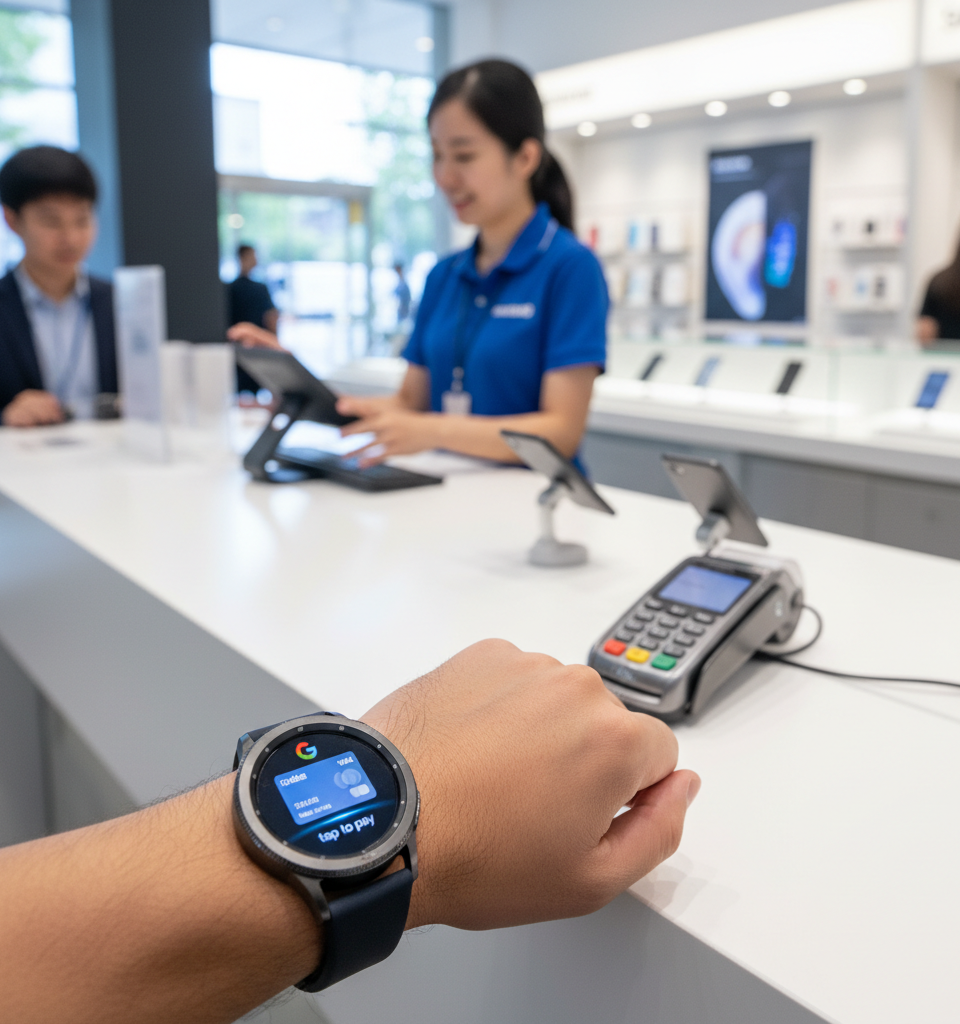
In a move that enhances the utility and interoperability of wearable technology, Samsung Galaxy Watch users are now able to configure and utilize Google Wallet for contactless transactions. This functionality broadens the payment options available to consumers, allowing them to tap and pay directly from their wrist without the exclusive need for a Google Pixel Watch or a Samsung smartphone. The integration signifies a growing trend towards ubiquitous digital payment solutions across various device ecosystems.
The Evolution of Wearable Payments
The ability to make payments from a smartwatch has long been a key feature driving adoption in the wearable tech market. Historically, platform-specific solutions like Samsung Pay for Galaxy Watches and Google Pay (now Google Wallet) for Wear OS devices, including the Pixel Watch, have dominated. This development represents a significant step towards a more unified user experience, reducing friction for individuals who may prefer Google's payment ecosystem or switch between Android devices from different manufacturers. The user-centric approach underscores the industry's shift towards greater flexibility and choice.
Setting Up Google Wallet on Your Galaxy Watch
Implementing Google Wallet on a Samsung Galaxy Watch is a streamlined process designed for user convenience. The primary requirement is ensuring the Galaxy Watch is running the latest version of Wear OS, which supports Google's payment application. Users typically begin by downloading the Google Wallet app directly onto their smartwatch from the Google Play Store available on the device. Once installed, the setup usually involves opening the app on the watch and following on-screen prompts to add a payment card. This process often requires verification through the paired smartphone, mirroring the security protocols established for mobile payment solutions.
Enhanced Convenience and Security
One of the primary benefits of using Google Wallet on a Galaxy Watch is the unparalleled convenience it offers. Users no longer need to retrieve their smartphone or physical wallet for quick transactions, a particularly useful feature during activities such as exercise or shopping. From a security standpoint, Google Wallet employs industry-standard encryption and tokenization, meaning actual card numbers are not stored on the device or shared with merchants. Each transaction generates a unique encrypted token, significantly reducing the risk of fraud, even if the watch is lost or stolen. Users can also set up a screen lock on their watch, adding another layer of security.
Broader Market Implications
This interoperability between Samsung's hardware and Google's software has notable implications for the broader wearable technology and digital payments markets. It suggests a potential shift towards more open ecosystems, where core functionalities are not strictly tied to a single brand's device. For consumers, this translates to greater freedom in choosing wearable devices based on design, fitness tracking capabilities, or battery life, without compromising their preferred payment method. For manufacturers, it encourages competition based on hardware innovation and user experience rather than proprietary software lock-ins. Analysts indicate that such collaborations could accelerate the adoption of contactless payments globally, as more devices become compatible.
Addressing User Expectations
Many users have expressed a desire for seamless integration across their digital lives, and this particular feature directly addresses those expectations. The ability to use Google Wallet on a major competitor's smartwatch platform reflects a pragmatic approach from both Samsung and Google, recognizing the diverse array of devices and payment preferences within the Android ecosystem. This strategic move benefits users by offering flexibility and manufacturers by potentially broadening the appeal of their respective products through enhanced utility. This focus on user-centric design is expected to continue shaping future developments in wearable technology.
The Future of Wearable Payments
Looking ahead, the integration of Google Wallet across non-Pixel Wear OS devices, including the popular Samsung Galaxy Watch series, is likely to pave the way for further cross-platform functionality. Industry experts anticipate that as wearable technology becomes more sophisticated, the scope of digital wallet applications will expand, encompassing not only payments but also digital IDs, transit passes, and loyalty programs. The current seamless setup of Google Wallet on Galaxy Watches serves as a foundational step in creating a more interconnected and versatile digital ecosystem, promising an even more integrated future for device owners. This trend is expected to drive innovation in both hardware and software aspects of wearable tech.