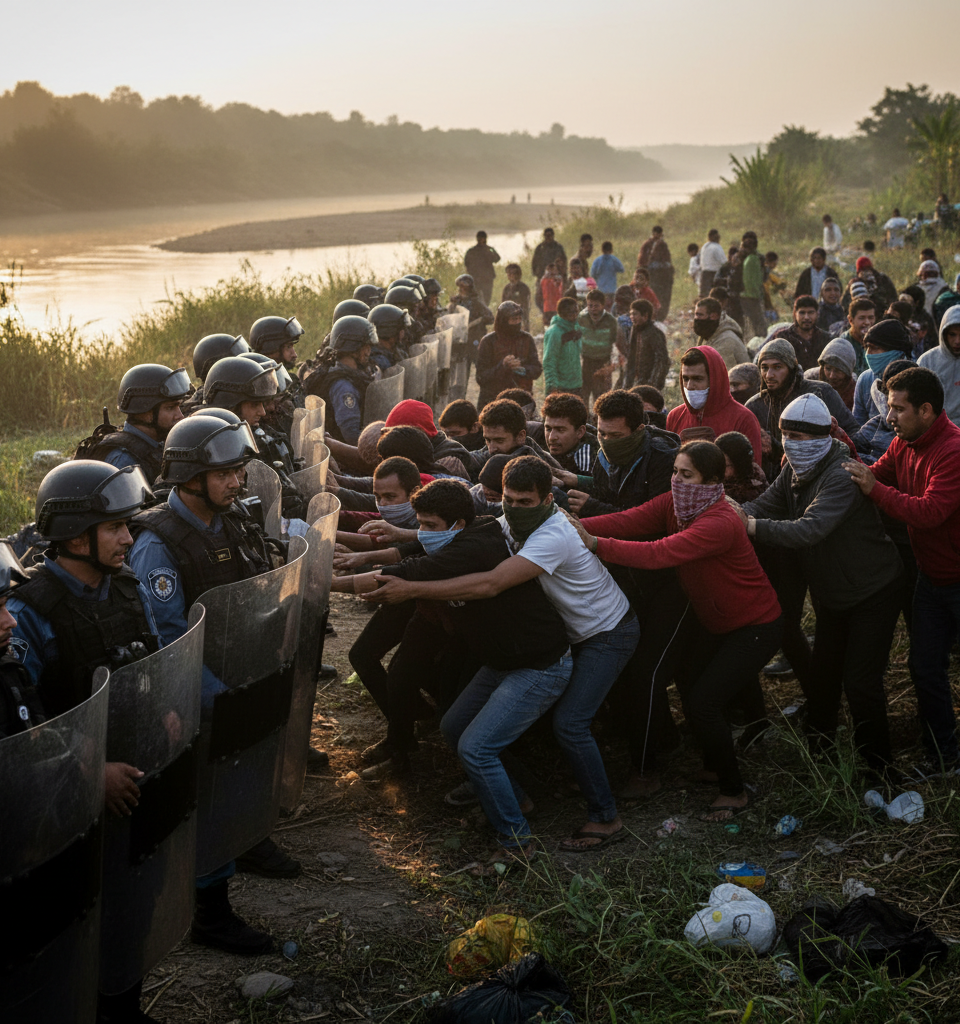
Athens, Greece – Unsettling reports facilitated by the BBC indicate that Greek police have been utilizing masked individuals, potentially including migrants recruited for the task, in operations designed to forcibly push back other asylum seekers attempting to cross the border. These alleged practices, amounting to illegal 'pushbacks', are reported to have been in effect since at least 2020, raising serious questions about Greece's adherence to international human rights and asylum laws.
The claims suggest a concerning evolution in border management tactics, moving beyond national law enforcement to potentially involve unofficial or semi-official actors. The use of masked operatives complicates accountability and transparency, creating a grey area in the already contentious issue of border control in the European Union. This development comes as the EU grapples with ongoing debates surrounding migration policy, burden-sharing, and the humanitarian treatment of those seeking refuge.
Allegations of Mercenary Recruitment and Illegal Tactics
The core of the BBC's report centers on accusations that Greek authorities have engaged in the recruitment of individuals since at least 2020 for the express purpose of conducting these pushbacks. While the precise nature of these recruits – whether they are private security contractors, local vigilantes, or indeed, other migrants coerced into cooperation – remains open to further investigation, the implication is that they function outside conventional law enforcement hierarchies. Such a tactic, if proven, would represent a profound breach of humanitarian principles and potentially international legal obligations that prohibit the summary expulsion of asylum seekers without due process.
The practice of 'pushbacks' itself involves the summary forceful return of individuals to a country from which they have just arrived, without any assessment of their asylum claims or individual circumstances. These actions often violate the principle of non-refoulement, a cornerstone of international refugee law, which prohibits returning anyone to a country where they would face persecution. The alleged involvement of masked operatives and potentially recruited migrants adds a layer of moral and ethical complexity to these already controversial practices, suggesting a deliberate attempt to obscure the identities of those carrying out these actions and to circumvent official accountability.
Broader Implications for EU Migration Policy
These allegations carry significant implications not only for Greece but for the wider European Union's migration framework. As an EU member state, Greece is bound by the bloc's asylum directives and human rights conventions. Should these reports be substantiated, they would undoubtedly exert immense pressure on Brussels to intervene and ensure compliance with international law. The EU has consistently emphasized the importance of safeguarding human rights at its external borders, and a finding that a member state is actively engaging in such practices could severely undermine the bloc's moral authority and cohesion on migration matters.
Furthermore, such practices risk further eroding public trust in governmental oversight and reinforcing narratives that portray Europe as unwelcoming to those fleeing conflict and persecution. The potential for a humanitarian crisis at the borders could escalate, and the long-term geopolitical consequences of such harsh measures could include strained relations with neighboring non-EU countries, who are often the first points of entry for migrants.
Next Steps and International Scrutiny
Moving forward, these accusations will undoubtedly trigger calls for independent investigations from international bodies and human rights organizations. The United Nations High Commissioner for Refugees (UNHCR) and the Council of Europe are likely to closely monitor developments and demand transparency from the Greek government. Greece will face intense diplomatic pressure to address these allegations comprehensively and provide full accountability. Failure to do so could result in significant reputational damage, potential legal challenges at international courts, and even sanctions from the European Union.
The global community will be keenly observing Athens' response. The credibility of Greece's border management and its commitment to international law are now under severe scrutiny. The upcoming weeks and months will be crucial in determining the extent of these alleged practices and the measures that will be taken to ensure the protection of fundamental human rights at one of Europe's most significant external borders.