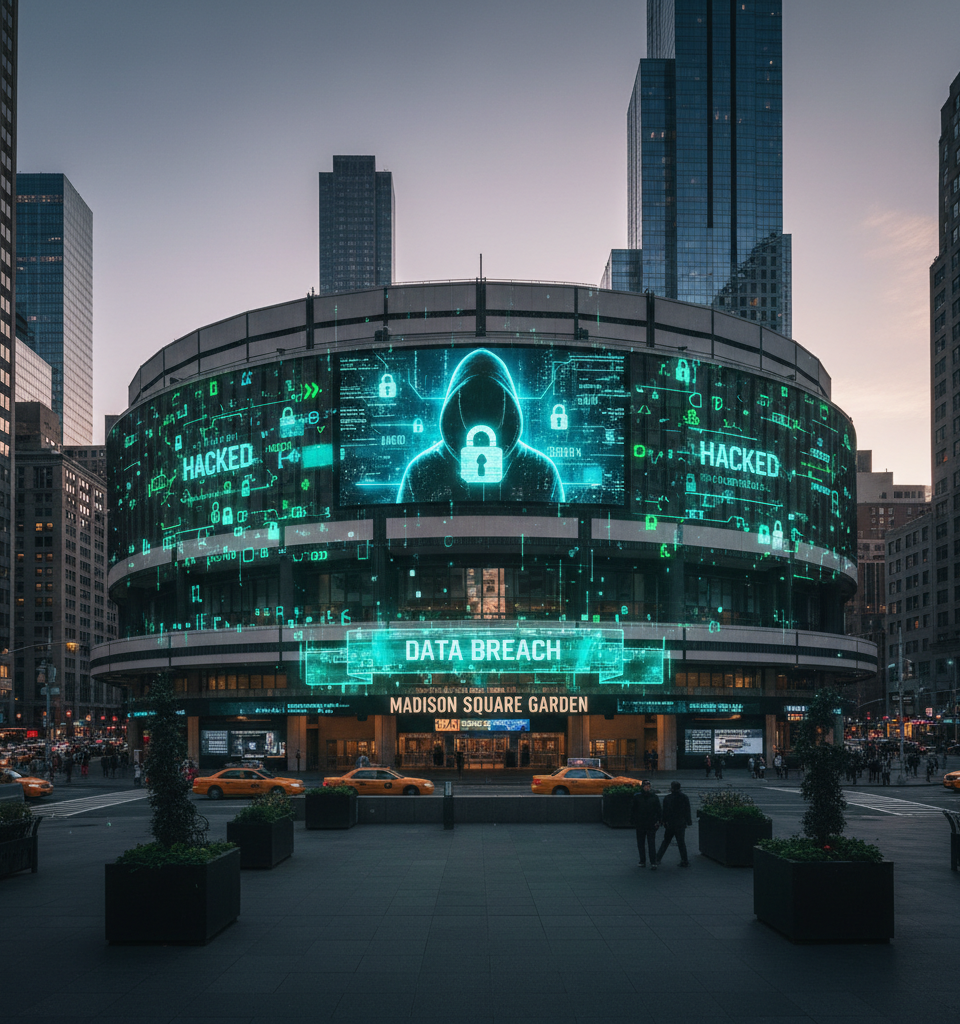
A group of hackers has recently alleged that they have leaked proprietary data ostensibly pilfered from Madison Square Garden, raising new concerns about cybersecurity vulnerabilities for prominent institutions. The claim comes amidst a period of heightened scrutiny over digital privacy and corporate data protection, further underscoring the persistent threats faced by major entities in safeguarding sensitive information.
Escalating Cybersecurity Landscape
This purported incident at Madison Square Garden emerges against a backdrop of increasing digital security challenges across various sectors. The alleged data leak, if substantiated, would highlight the ongoing struggle for high-profile organizations to defend against sophisticated cyberattacks. Such breaches can lead to significant financial repercussions, reputational damage, and severe privacy implications for affected individuals. The specific nature and extent of the data claimed to have been leaked remain under investigation, with no immediate confirmation or denial from Madison Square Garden at the time of this report.
Broader Trends in Digital Privacy and Surveillance
The reported Madison Square Garden incident is not an isolated event but is contextualized by several other significant developments in the realm of digital privacy and surveillance. In San Francisco, gay bars are reportedly implementing facial recognition technology, a move that has sparked debate regarding customer privacy versus security concerns. Critics argue that such systems could lead to unwarranted surveillance and potential misuse of biometric data, particularly within communities that have historically faced discrimination. Proponents, however, may point to enhanced security measures and improved operational efficiencies as potential benefits.
Simultaneously, France has reportedly decided to terminate its contract with Palantir, a prominent data analytics company known for its work with government agencies. This decision reflects a growing global wariness regarding data sovereignty and the extensive data collection capabilities of private firms. Such moves by national governments indicate a shift towards greater control over sensitive data and a reevaluation of partnerships with technology providers handling critical information. The details surrounding France's decision, including the specific reasons for the termination, have not been fully disclosed but are likely linked to concerns over data access, security, and national interests.
Apple's Initiative in Email Privacy
Further contributing to the evolving privacy landscape, tech giant Apple is reportedly planning to introduce changes to its private email services. While the specifics of these modifications have not been detailed, they are anticipated to enhance user privacy and offer greater control over personal communications. This initiative aligns with Apple's consistent public stance on user privacy and reflects a broader industry trend where companies are increasingly marketing privacy features as a key differentiator. Such changes could set new benchmarks for email providers, compelling others to bolster their own privacy safeguards.
Industry Repercussions and Future Outlook
The convergence of these events — an alleged major data breach, the expansion of facial recognition, a national government severing ties with a key data firm, and a tech giant enhancing privacy — illustrates a critical juncture in digital security. Enterprise-level data breaches, like the one allegedly targeting Madison Square Garden, can trigger immediate and far-reaching impacts on stock prices, customer trust, and regulatory compliance. Moreover, they prompt other organizations to review and strengthen their own cybersecurity protocols to prevent similar vulnerabilities.
Experts suggest that the increasing sophistication of cyber threats necessitates a multi-layered defense strategy, combining robust technical safeguards with comprehensive employee training and clear incident response plans. The evolving regulatory landscape, with stringent data protection laws like GDPR and CCPA, further amplifies the pressure on organizations to maintain unassailable security measures. As technology continues to advance, the tension between data utilization and privacy protection is expected to remain a central challenge for businesses, governments, and individuals alike.
Anticipating Future Developments
The coming weeks and months are expected to illuminate further details regarding the alleged Madison Square Garden data leak. Official statements from the venue operators and law enforcement agencies will be crucial in understanding the scope and impact of the reported breach. Concurrently, the implementation of facial recognition in San Francisco's nightspots will likely continue to generate public discourse and potentially legal challenges.
France's disengagement from Palantir could also serve as a precedent for other nations contemplating similar actions regarding data security and national sovereignty. Finally, Apple's forthcoming email privacy enhancements are likely to be closely watched by both competitors and consumers, potentially influencing future software development trends focused on user control and data protection. This complex interplay of events underscores the dynamic and critical nature of digital security in 2026.