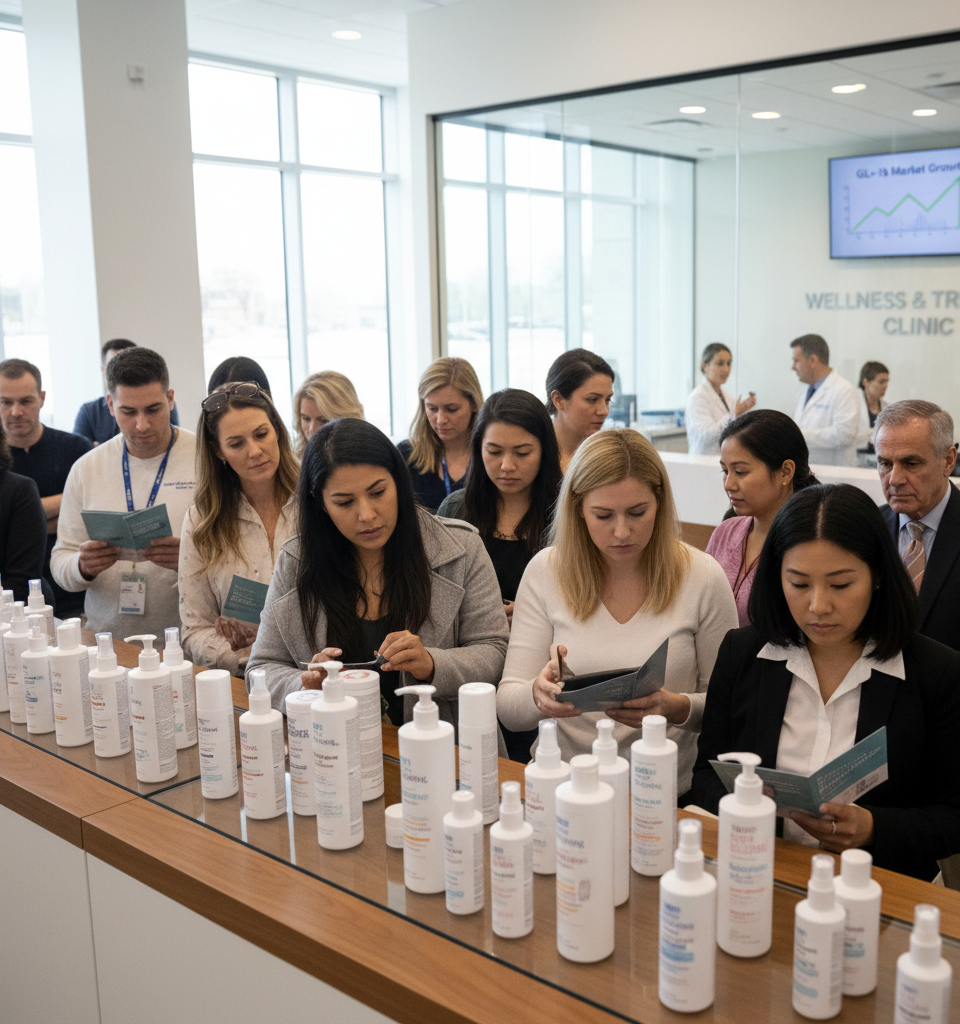
The rapid ascent of GLP-1 (glucagon-like peptide-1) receptor agonists, such as Ozempic and Wegovy, in combating obesity and Type 2 diabetes has created a ripple effect across various industries, most notably in the burgeoning market for hair restoration and treatment products. Patients experiencing significant weight loss, often accelerated by these powerful pharmaceuticals, are encountering a frequently reported side effect: telogen effluvium, or stress-induced hair shedding. This unintended consequence has transformed a formerly niche concern into a potent commercial opportunity, with beauty and pharmaceutical companies now keenly observing and investing in solutions for GLP-1 users.
The Unforeseen Side Effect of Rapid Weight Loss
Historically, accelerated weight loss, regardless of the method, has been linked to temporary hair thinning due to the body diverting resources away from non-essential functions like hair growth during periods of stress or dramatic caloric restriction. However, the sheer scale and speed of weight loss achieved with GLP-1 drugs have brought this issue into sharper focus. Clinical trials and anecdotal reports indicate that a significant percentage of users – ranging from 10% to 20% in some studies – experience noticeable hair loss. This isn't necessarily a direct drug interaction causing follicle damage, but rather a physiological response to the body undergoing rapid metabolic changes and caloric deficits. The sudden influx of millions of new GLP-1 users globally has thus created an unprecedented demand pool for hair health solutions.
A Lucrative New Frontier for Hair Care
This phenomenon has catalyzed the emergence of a specialized, highly motivated consumer base actively seeking products and treatments. Market analysts project that the global hair loss treatment market, already valued at over $20 billion annually, could see an accelerated growth trajectory specifically driven by GLP-1 related demand, potentially adding hundreds of millions of dollars in new revenue over the next five years. Companies are now pivoting research and development to formulate products specifically targeting temporary, stress-induced hair loss, emphasizing scalp health, nutrient fortification, and growth stimulation. This includes everything from specialized shampoos and conditioners to topical serums, oral supplements, and even light therapy devices.
Industry Response and Innovation
Major players in the beauty and pharmaceutical sectors are quickly recognizing this shift. L'Oréal, for instance, has openly discussed monitoring consumer trends linked to GLP-1 usage, hinting at future product developments. Start-ups are also emerging, hyper-focused on this demographic, offering personalized regimens and diagnostic tools. Dermatologists and trichologists report a noticeable increase in patient inquiries related to GLP-1 induced hair loss, prompting clinics to integrate specific protocols and product recommendations into their services. The emphasis is on gentle, nourishing treatments that support the hair follicle through the telogen effluvium phase, aiming to minimize shedding and accelerate regrowth.
Expert Insights into Hair Physiology
Dr. Sarah Chen, a renowned dermatologist specializing in hair biology, explains, "GLP-1 associated hair loss is primarily telogen effluvium. When the body undergoes significant stresses, like rapid weight loss or major surgical procedures, a larger-than-normal percentage of hair follicles prematurely enter the resting phase (telogen) and then shed. It's usually temporary, and proper nutrition, stress management, and targeted topical treatments can significantly mitigate its impact and accelerate recovery." She emphasizes the need for a holistic approach, including adequate protein intake and essential vitamins, to support hair regrowth.
Addressing the Demand: Products and Services
Beyond over-the-counter products, the increase in demand is also boosting professional services. Hair clinics are seeing a rise in consultations for platelet-rich plasma (PRP) therapy and low-level laser therapy (LLLT) among GLP-1 users. Companies are also investing in educational campaigns to differentiate between temporary shedding and more permanent forms of hair loss, helping consumers make informed choices. The market is ripe for innovation in ingredient science, with a focus on peptide complexes, botanical extracts, and advanced delivery systems designed to optimize scalp health and support active hair cycles.
The Future Landscape: Integration and Specialization
Looking ahead, the hair treatment market is likely to see further integration with medical wellness and personalized health. As GLP-1 usage continues its upward trajectory, we can expect to see more specialized product lines, potentially co-developed with pharmaceutical companies or medical professionals, directly marketed to this segment. The emphasis will shift from generic hair loss solutions to formulations precisely tailored to the metabolic and physiological context of individuals on powerful weight-loss medications. This trend underscores a broader movement within the beauty and health industries towards highly targeted, medically informed consumer solutions, redefining how side effects drive new market opportunities.