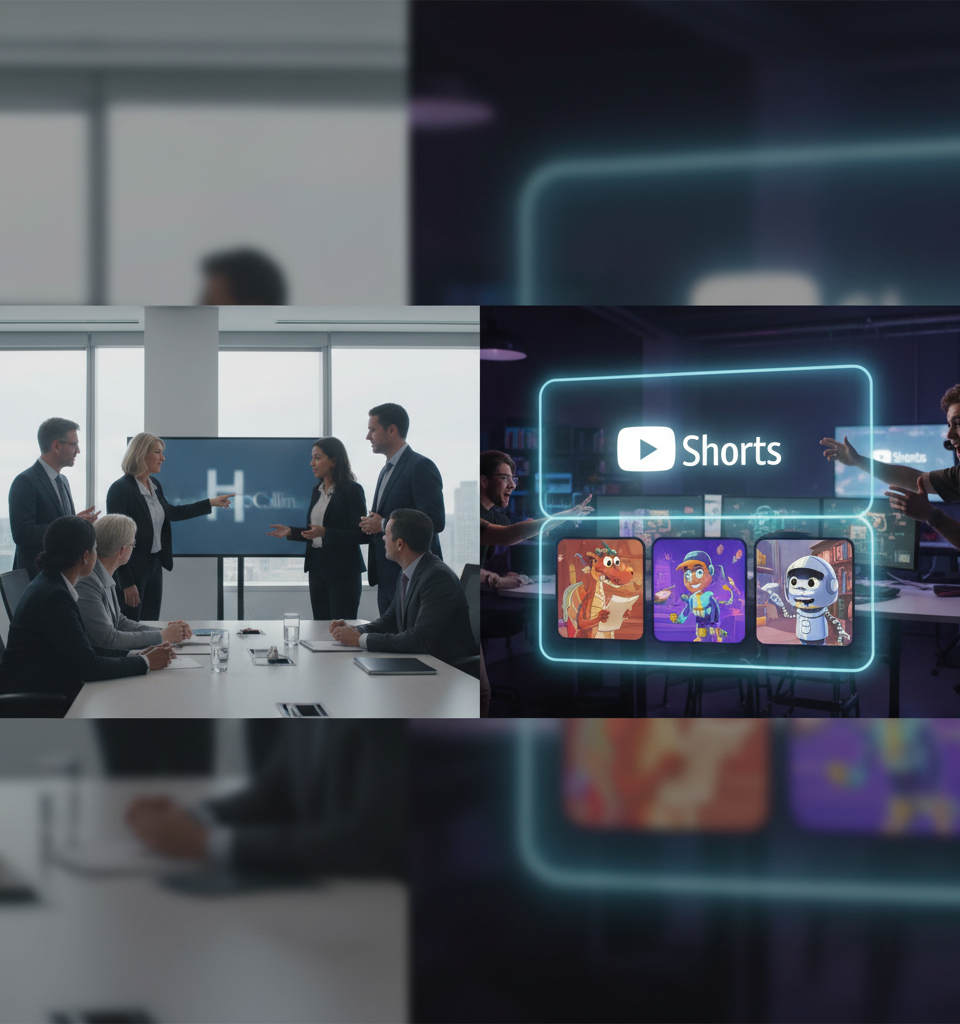
HarperCollins, one of the 'Big Five' publishing houses, has entered into a multiyear strategic partnership with Toonstar, an AI-powered animation studio. The collaboration, first reported by Tubefilter, will see HarperCollins' diverse array of literary works, particularly children's books, adapted into short-form animated videos for YouTube, leveraging Toonstar's artificial intelligence capabilities. This move marks a pivotal moment in the publishing industry's embrace of AI for content creation and distribution, aiming to reach new audiences on digital platforms while simultaneously sparking debate among child advocacy organizations and content creators.
This initiative comes at a time of heightened scrutiny over AI-generated content on platforms like YouTube, especially concerning material aimed at children. Organizations advocating for child safety and ethical media consumption have increasingly voiced concerns about the proliferation of algorithmically produced content and its potential impact on young viewers. HarperCollins' decision to venture into this space, despite these growing anxieties, underscores a strategic imperative to innovate and engage with evolving consumption patterns, particularly among younger demographics who are increasingly gravitating towards short-form video content.
The specifics of the agreement between HarperCollins and Toonstar detail a multiyear commitment to an extensive content pipeline. Toonstar, which describes itself as having a “nimble team of creators, builders and technologists,” will utilize its AI suite to animate characters, narrate stories, and produce high volumes of short videos, primarily for YouTube Shorts. While the initial focus appears to be on children's books, the long-term potential for adapting other genres within HarperCollins' vast catalog, including young adult and even adult fiction, remains a significant prospect for both companies. This move allows HarperCollins to capitalize on its intellectual property in a new, cost-effective manner, potentially unlocking new revenue streams.
The impact on the publishing and entertainment industries could be profound. This partnership could set a precedent for other major publishers, catalyzing a wider adoption of AI tools for content adaptation and digital distribution. Traditional animation studios might face increased competition from AI-driven entities like Toonstar, which can promise faster turnaround times and lower production costs. Moreover, the independent author community may see new opportunities — or challenges — in how their works are adapted and monetized in the digital sphere. The economic model behind these Shorts, likely relying on advertising revenue from YouTube, could reshape how publishers view the long-term value of their backlists.
Industry analysts are closely watching this development. Dr. Elaine Vance, a media studies professor specializing in digital content, commented, "While this move offers undeniable efficiencies for publishers seeking to expand their digital footprint, the ethical considerations around AI-generated content, particularly for children, are paramount. Transparency about AI's role in content creation, and rigorous quality control, will be crucial for maintaining trust with audiences and regulatory bodies." Critics point to concerns regarding the potential for AI-generated content to lack the nuanced storytelling and emotional depth typically associated with human-created animation, alongside the enduring debate about content quality versus sheer volume.
Looking ahead, the success of this HarperCollins-Toonstar alliance will likely inform future strategies for content monetization and audience engagement across the publishing sector. Should these AI-generated Shorts prove popular and financially viable, we can anticipate a rapid expansion of similar initiatives from other major publishers. Future considerations will include how these publishers address concerns from child advocates and educators, potentially by implementing strict ethical guidelines or developing new moderation tools for AI-generated content. The evolving landscape suggests that human oversight and creative input will remain critical, even as AI takes on a larger role in content production, striking a balance between innovation and responsibility.