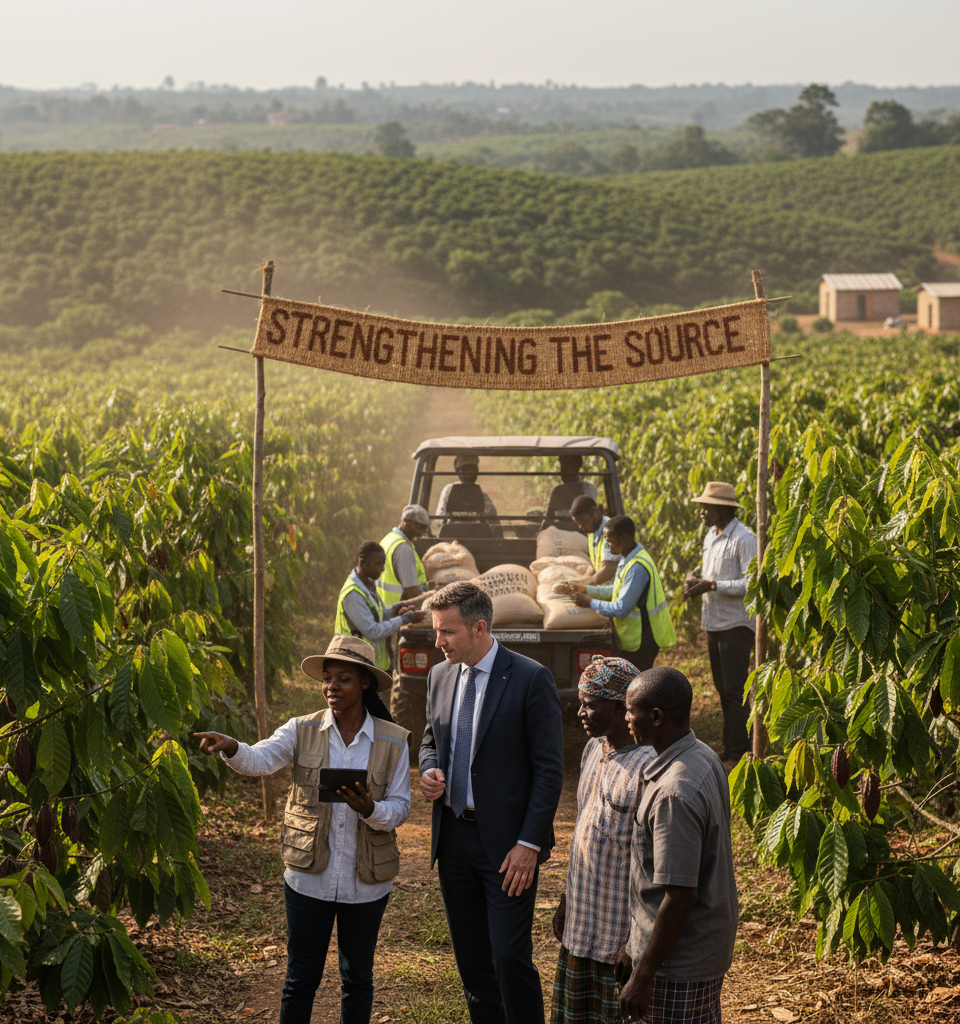
Hershey, the iconic American confectioner, is proactively implementing a multi-pronged strategy to mitigate the impact of surging cocoa prices and broader commodity cost inflation. The Hershey, Pennsylvania-based company is prioritizing diversified sourcing channels, investing in long-term farmer programs, and tightening internal cost controls to safeguard its profitability and ensure a consistent supply of its beloved chocolate products. This strategic pivot comes as global cocoa prices have witnessed significant increases, driven by climactic events, geopolitical tensions, and increased demand.
The Rising Tide of Cocoa Costs
The confectionery industry has been grappling with a dramatic escalation in cocoa bean prices. According to the International Cocoa Organization (ICCO), cocoa futures on the ICE Futures U.S. exchange have seen increases of over 50% in the past year alone, with significant volatility observed. This surge is primarily attributed to adverse weather conditions in West Africa, particularly Ghana and Ivory Coast, which account for approximately 60-70% of the world's cocoa supply. Droughts followed by heavy rains have hampered harvests, leading to supply deficits. For a chocolate titan like Hershey, whose core business relies heavily on cocoa, these price fluctuations pose a substantial threat to margins and potentially, product affordability.
Hershey's Resilience Strategy: Diversification and Direct Engagement
At the heart of Hershey's mitigation strategy is a commitment to supply chain resilience. The company is actively diversifying its cocoa sourcing geographically, reducing reliance on a single region or origin. While specific new regions were not disclosed, industry analysts suggest moves towards Latin America and Southeast Asia. Furthermore, Hershey is deepening its engagement with cocoa farming communities through direct purchasing agreements and sustainability initiatives. Programs like 'Cocoa For Good,' which focuses on sustainable farming practices, community development, and addressing child labor, not only enhance ethical sourcing but also foster longer-term relationships with farmers, thereby stabilizing supply and improving quality. This direct engagement often allows for more predictable pricing mechanisms, partially bypassing the volatile spot markets.
Operational Efficiencies and Market Impact
Beyond sourcing, Hershey is also implementing stringent internal cost controls across its operations, from manufacturing processes to logistics. This includes optimizing production lines, reducing waste, and streamlining distribution networks. While the immediate impact on consumer prices for Hershey's products remains to be fully seen, the company's proactive measures aim to absorb some of the rising input costs, potentially delaying or reducing the severity of price increases for consumers. This strategic emphasis on efficiency is crucial in maintaining competitive pricing in a market sensitive to consumer spending habits.
Industry Response and Expert Outlook
Industry analysts view Hershey's approach as a necessary and prudent step in the current economic climate. "Hershey's strategy reflects a growing realization across the food and beverage sector that traditional just-in-time supply chains are vulnerable," states Dr. Eleanor Vance, a commodity market expert at Agri-Analytics Group. "Investing in diversified sourcing and long-term farmer partnerships isn't just about corporate social responsibility anymore; it's a critical business imperative for risk management and operational stability. Companies that fail to adapt will face sustained margin pressure and potential supply disruptions."
The Path Forward: Sustainability and Innovation
Looking ahead, Hershey's long-term strategy will likely continue to emphasize sustainability and innovation. The 'Cocoa For Good' program, with its ambitious goals related to improving cocoa-growing communities and reducing environmental impact, is not just a marketing initiative but a fundamental pillar of its future cocoa supply security. Continued investment in agricultural research to develop more resilient cocoa varieties and exploring alternative ingredients or formulations could also play a role in mitigating future commodity price shocks. The confectionery giant's ability to navigate these challenges will serve as a key indicator for how the broader food industry adapts to a new era of climate-induced supply chain complexities and economic volatility.
Ultimately, Hershey's concerted efforts to bolster its cocoa supply chain underscore a pivotal shift within the global food industry. As climate change continues to impact agricultural yields and geopolitical factors disrupt trade, companies are increasingly recognizing that resilience, rather than just efficiency, is paramount for sustained success. Hershey's strategic investments are poised to provide a degree of insulation, ensuring the continued availability of its iconic chocolate products even as global markets experience unprecedented turbulence.