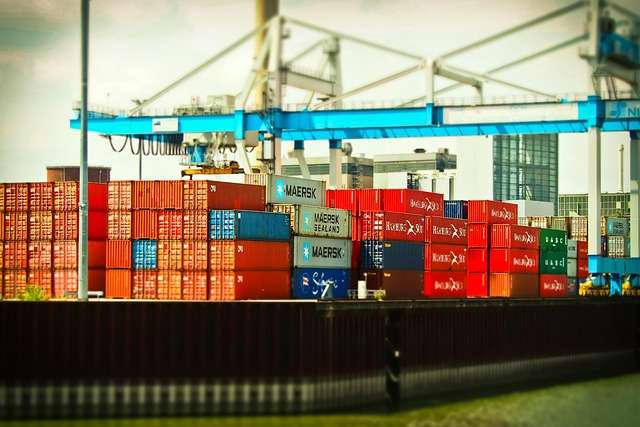
Hyundai Merchant Marine (HMM), South Korea's flagship carrier, is reportedly shifting its new vessel procurement focus away from container ships, allocating potential investments towards other maritime sectors. This strategic pivot by a major global player could serve as a critical indicator for the health and future direction of the broader shipping industry, sparking discussions among analysts regarding its implications for market demand and capacity.
Contextualizing HMM's Strategy Shift
For years, container shipping has been a primary focus for major carriers, driven by global trade volumes and the efficiencies of containerization. HMM, like many of its contemporaries, invested heavily in expanding its container fleet to meet perceived demand. However, a potential deceleration or re-evaluation of this growth trajectory could indicate that the company foresees a different market landscape ahead. This shift might be a proactive measure to diversify its asset base and mitigate risks associated with the cyclical nature of the container shipping market, or it could reflect internal analyses predicting a moderation in container volume growth.
Industry-Wide Ripple Effects
Should HMM's move represent a broader trend among leading carriers, the implications for the global shipping industry could be substantial. A collective slowdown in new container ship orders could lead to a more balanced supply-demand dynamic in the long term, potentially firming up freight rates by preventing excessive overcapacity. Conversely, it might also signal a perceived softening in global trade forecasts for containerized goods. Shipyards that have historically relied heavily on container ship construction might also need to adapt their strategies, pivoting towards other vessel types experiencing higher demand.
Potential Drivers Behind the Shift
The rationale behind HMM's reported shift remains a subject of speculation among industry observers. Factors such as evolving geopolitical trade relationships, the increasing adoption of nearshoring or reshoring strategies by manufacturers, and fluctuating energy costs could all play a role. Additionally, tighter environmental regulations, which often necessitate significant investment in new, more eco-friendly vessel technologies, might be influencing carriers to prioritize certain ship types over others, or to delay investments until clearer technological standards emerge.
Expert Perspectives and Market Sentiment
While specific expert opinions on this particular HMM development are not detailed, a general consensus among shipping analysts often points to the sensitivity of new orders to future economic outlooks. A move by a prominent carrier to diversify its order book is frequently interpreted as a cautious stance on future market conditions, suggesting that growth in the traditional container sector may be decelerating from its previous peaks. Such shifts often precede or coincide with broader market adjustments, making HMM's actions a focal point for industry watchers.
Looking Ahead: A Watchful Industry
The shipping industry will be closely observing HMM's subsequent actions and any formal announcements regarding its fleet strategy. Should other major carriers follow suit and temper their container ship orders, it could signal a significant inflection point for the sector, potentially leading to a more conservative investment climate across the board. Conversely, if HMM's diversification proves to be an isolated strategy, it may not reflect pervasive industry sentiment. The coming months will be critical in determining whether this reported shift by a key South Korean flag carrier is an early warning signal for the global container shipping market or a unique strategic decision by one entity.