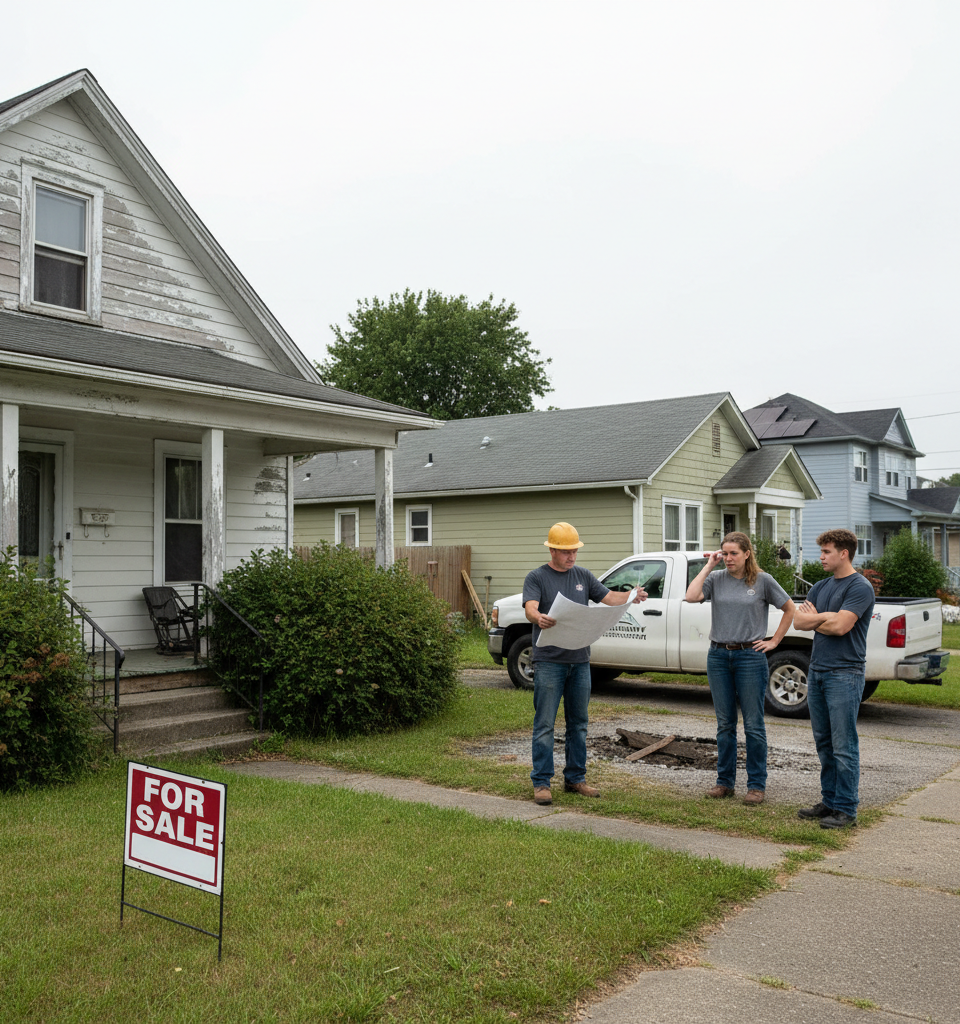
Expenditure on home remodeling is poised for a significant deceleration, with forecasts indicating a substantial contraction in market activity by early 2027. This slump is primarily attributed to heightened economic caution among homeowners, who are increasingly hesitant to undertake major renovation projects amidst persistent inflationary pressures and rising interest rates. While the immediate outlook appears challenging for the home improvement sector, experts maintain a more optimistic long-term view, predicting a resurgence in demand fueled by an aging housing stock and evolving consumer preferences.
Contextualizing the Downturn
The anticipated slowdown marks a notable shift from the robust growth observed during the pandemic era, when a combination of low interest rates, remote work trends, and increased home equity spurred unprecedented investment in residential improvements. However, the current economic climate presents a stark contrast. The Federal Reserve's aggressive interest rate hikes aimed at taming inflation have significantly increased borrowing costs, making home equity lines of credit (HELOCs) and other financing options less attractive. Furthermore, ongoing concerns about a potential recession and job market stability are leading many households to prioritize saving over discretionary spending, directly impacting large-ticket renovation projects.
Key Data and Projections
According to recent projections from leading housing research institutions, growth in home remodeling spending is expected to decline sharply from its pandemic-era peaks. While specific figures can vary, some analyses suggest annual growth rates could fall into negative territory, or at best, hover in the low single digits by the first quarter of 2027, from highs that exceeded 10% just two years prior. This deceleration is not uniform across all project types; discretionary upgrades like kitchen and bathroom remodels, which tend to be more sensitive to economic conditions, are likely to bear the brunt of the cutbacks more severely than essential maintenance and repairs. The total market value, while still substantial, is projected to see minimal to no real growth in the coming years when adjusted for inflation.
Industry and Market Implications
This projected slowdown will inevitably send ripple effects throughout the broader home improvement industry. Contractors, material suppliers, and retail outlets catering to renovation projects are likely to experience reduced demand, potentially leading to increased competition, tighter margins, and a need for strategic adjustments to their business models. Smaller firms, particularly those heavily reliant on discretionary projects, may face significant challenges. Larger corporations with diversified portfolios, however, might be better positioned to weather the downturn by shifting focus towards essential repairs or energy efficiency upgrades, which often receive some level of government incentives or homeowner priority regardless of economic cycles.
Expert Perspectives on the Horizon
“Homeowners are clearly hitting the brakes on non-essential projects,” notes Dr. Emily Carter, a senior economist specializing in housing markets at a prominent financial institution. “The 'wealth effect' from rising home values has diminished, and the cost of capital is much higher. We’re seeing a return to more conservative spending patterns.” However, Dr. Carter also emphasizes the underlying strength of the housing market's fundamentals. “The long-term demographic trends, combined with an aging housing stock that increasingly requires modernization and efficiency upgrades, suggest that demand won't disappear entirely. It’s more of a rebalancing period.” Many analysts agree that properties built prior to 1980, which constitute a significant portion of the U.S. housing stock, will continue to drive demand for necessary replacements and efficiency improvements over time.
The Path Ahead: A Long-Term Rebound
Despite the near-term headwinds, the long-term outlook for the home remodeling market remains broadly positive, with a gradual recovery anticipated beyond 2027. This resurgence is expected to be driven by several factors. An aging housing inventory will necessitate continuous investment in repairs and upgrades to maintain property values and functionality.
Furthermore, evolving consumer preferences, such as a growing emphasis on energy efficiency, smart home technology, and accessibility, are likely to fuel future renovation cycles. As interest rates eventually stabilize and potentially decline, and if economic confidence returns, homeowners are expected to re-engage with deferred projects, signaling a return to more robust growth rates in the latter half of the decade. This future growth might be more focused on value-adding and sustainable renovations rather than purely aesthetic enhancements.
Ultimately, the current period represents a necessary correction after an unprecedented boom. While challenging for some industry participants, it also offers an opportunity for innovation and adaptation, setting the stage for a more sustainable and perhaps more discerning market for home improvements in the years to come.