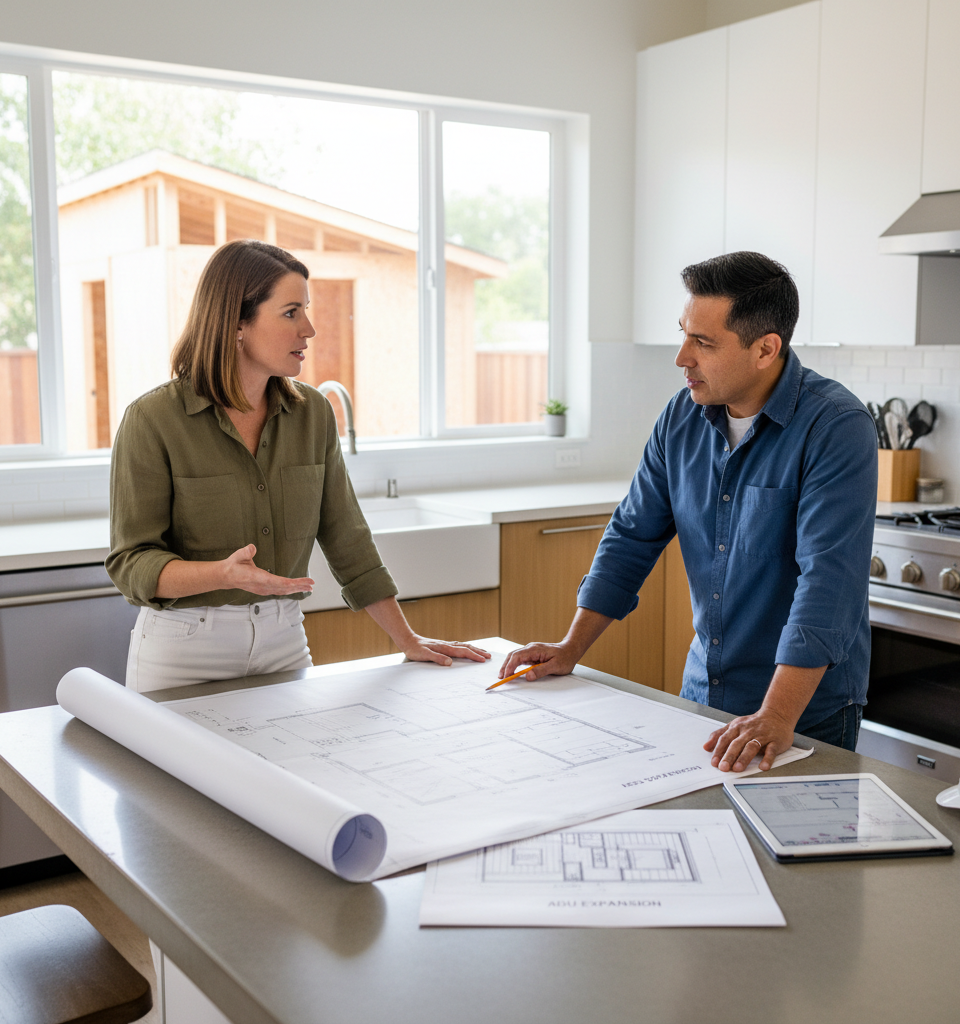
New data indicates that the American home renovation market is maintaining its resilience, with a substantial 68% of homeowners actively pursuing or planning improvements, primarily motivated by enhancing their living spaces. A comprehensive survey of 1,059 homeowners by Block Renovation underscores this steadfast demand, even as rising interest rates and material costs continue to challenge affordability. Notably, the report also identifies a significant emerging trend: 17% of respondents are now considering or actively planning the construction of an Accessory Dwelling Unit (ADU), signaling a growing adaptive strategy within the housing sector.
The Enduring Appeal of Home Improvement Amidst Economic Pressures
This sustained interest in home renovation comes at a time when the housing market faces considerable headwinds. Mortgage rates, though recently stabilizing, have seen substantial increases over the past two years, impacting both new home purchases and financing for large-scale renovations. Building material costs, while having plateaued from their pandemic-era peaks, remain elevated compared to pre-2020 levels. Despite these financial pressures, homeowners are demonstrating a clear commitment to their existing properties, viewing renovations not as luxury expenditures but as essential investments in their quality of life. This trend reflects a broader societal shift where homes are increasingly seen as multifaceted hubs for work, life, and leisure.
Key Drivers: Enhanced Livability and the Rise of ADUs
Digging deeper into the motivations, the survey explicitly found that 68% of renovations are driven by a desire for improved livability. This encompasses a broad spectrum of projects, from functional kitchen and bathroom upgrades to creating dedicated home office spaces or enhancing energy efficiency. Homeowners are prioritizing comfort, functionality, and long-term value over purely aesthetic updates. More strikingly, the 17% of homeowners exploring or planning an ADU represents a significant uptick in interest. This figure suggests a strategic response to various needs, including generating rental income, providing multi-generational living solutions, or creating dedicated workspaces independent of the main house. The increasing acceptance and simplification of ADU regulations in many municipalities are undoubtedly contributing factors to this surge.
Industry Impact: A Resilient Sector Adapting to Evolving Needs
For the home improvement industry, these findings paint a picture of ongoing demand, albeit with an evolving project landscape. Contractors, material suppliers, and design professionals are likely to see continued workflow, with a particular emphasis on projects that deliver tangible improvements in daily living. The rising interest in ADUs also presents a new growth avenue, requiring specialized expertise in smaller-scale construction, zoning navigation, and multi-functional design. This segment could bolster industry stability, offering diverse project types beyond traditional single-family home renovations. The market could also see an increased demand for financing options tailored to ADU construction.
Expert Insights on Adaptation and Long-Term Value
Industry analysts are not surprised by the findings. "Homeowners are making strategic decisions," says Dr. Emilia Vasquez, a housing market economist. "With housing inventory remaining tight and interest rates deterring many from moving, improving their current home becomes the logical, and often more financially viable, option. The ADU trend, in particular, is a smart play for homeowners looking to derive additional value or address evolving family needs without incurring the cost of a full relocation." She adds that the emphasis on "livability" over "resale value" indicates a long-term investment mindset, suggesting projects are less susceptible to short-term market fluctuations.
The Future of Residential Investment: Smart Growth and Sustainable Living
Looking ahead, the prevalence of renovation coupled with increasing ADU development points towards a future where existing housing stock is continually adapted and optimized. We can anticipate continued innovation in building materials and construction techniques aimed at both efficiency and sustainability to meet these demands. Policy discussions around zoning, permitting speed, and financial incentives for ADUs are also likely to intensify as cities grapple with housing shortages and seek solutions that promote density without sprawling development. This focus on improving and expanding within existing footprints could redefine residential investment strategies for the coming decade, prioritizing smart growth and sustainable living solutions.