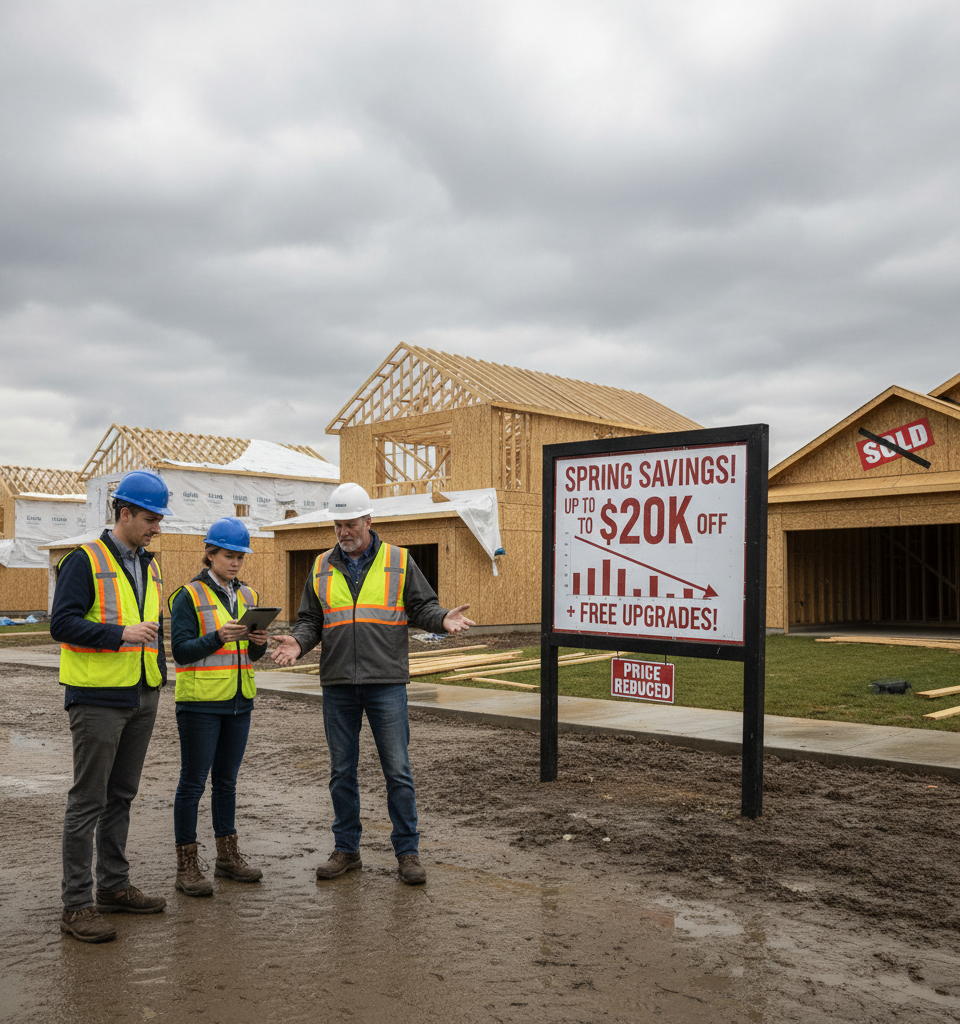
The new-home development sector faced an unexpected downturn in the first half of 2026, as numerous homebuilders reported a spring selling season that fell below expectations. This dip follows a period of robust performance for many development players since the onset of the pandemic in 2020, marking a significant shift in market dynamics. The persistent challenge for builders has been the poor conversion rate of potential buyers despite an apparent increase in incentives deployed.
Context and Background
The homebuilding industry experienced an extended boom period, particularly from 2020 through early 2026, fueled by low interest rates, shifting housing preferences, and a general undersupply of homes. This favorable environment led to a string of better-than-expected quarterly results for many new-home development firms. Such sustained positive momentum, however, was widely acknowledged to be unsustainable indefinitely, and the current softening of the market suggests a return to more normalized, or potentially more challenging, conditions.
Key Details
Reports from various homebuilders indicate that while efforts to attract buyers intensified through increased incentives, these measures did not translate into stronger sales volumes. The precise nature and extent of these incentives varied by builder and region but generally included offerings such as price reductions, mortgage rate buydowns, and upgrades. Despite these efforts to sweeten deals for consumers, the market's response was muted, suggesting underlying factors beyond just pricing and incentives are at play in deterring potential buyers from committing to new home purchases.
Industry and Market Impact
The weaker-than-expected spring selling season could have broader implications for the residential construction sector and the wider economy. A slowdown in new home sales directly impacts builder confidence, future construction starts, and employment within the industry. It also has a ripple effect on ancillary industries, including materials suppliers, real estate agents, and mortgage lenders. The market response indicates a potential recalibration of buyer expectations or a growing sensitivity to overall economic conditions.
What's Next
Looking ahead, homebuilders will likely be re-evaluating their sales strategies and incentive structures. The industry will be closely watching for any changes in consumer sentiment, interest rate forecasts, and broader economic indicators that could either alleviate or exacerbate the current challenges. Future quarters will be critical in determining whether the first half of 2026 represents a temporary blip or the beginning of a more sustained slowdown in the new-home market. Developers may need to adapt swiftly to a less forgiving market landscape than they have become accustomed to over the past few years.