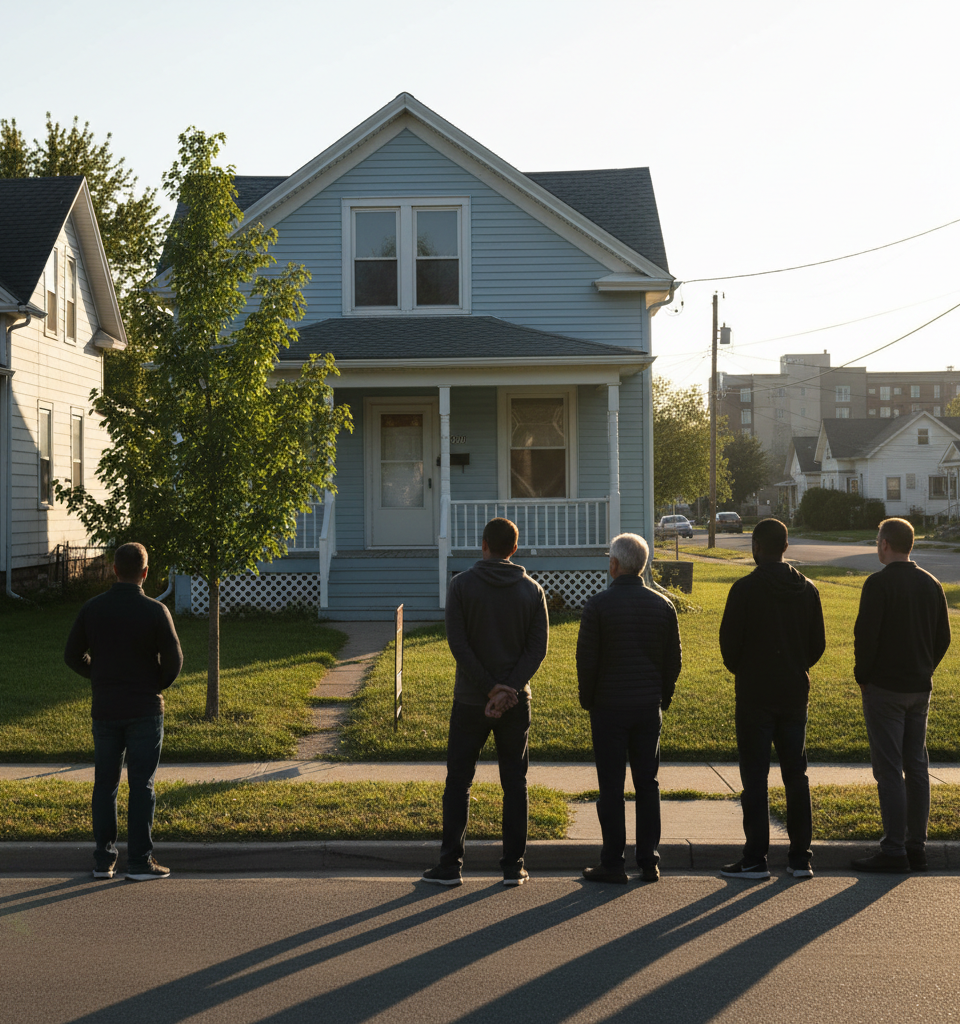
The current market dynamic, which sees affluent homeowners returning to the starter home segment, creates significant implications for high-end buyers and sellers across Southern California, from Malibu to Bel Air. This influx introduces an unexpected layer of competition at lower price points, potentially inflating values across the spectrum and shifting investment strategies for luxury properties.
A fundamental reordering of the housing landscape is underway, compelling a demographic that has historically transcended the starter home market to re-engage with it. This unexpected return of homeowners who previously 'did everything right' – securing advantageous mortgages, building equity, and upgrading – is now an established reality, intensifying competition for entry-level properties across the nation.
The confluence of three distinct buyer groups is at the heart of this market pressure. First, the traditional first-time homebuyers continue their quest for affordable entry points. Second, existing homeowners looking to upgrade or relocate within the conventional housing ladder. The third, and most surprising, cohort comprises homeowners who are now finding themselves returning to the starter home segment. This latter group often consists of individuals impacted by economic shifts, changing family structures, or strategic downsizing, necessitating a re-evaluation of their housing needs at more accessible price points.
Market Dynamics and Convergence
This convergence creates an unprecedented level of demand for properties traditionally considered entry-level. The supply of these homes remains severely constrained, a long-standing issue exacerbated by slower new construction starts and increased holding periods for existing homeowners. The result is a highly competitive environment where bidding wars become commonplace, and properties move quickly, often above asking price.
The implications for market stability are profound. While the luxury sector often operates with a degree of insulation, the ripple effects of a highly competitive lower tier are undeniable. Increased demand and inflated prices for starter homes can push the entire market upward, affecting affordability at all levels and potentially creating a ceiling for those hoping to trade up to more exclusive properties. For sellers of high-end homes, this dynamic could translate into a broader pool of buyers with elevated equity from their competitive sales at the lower end, but it also signals a fundamental shift in buyer behavior and market expectations.
Economic Undercurrents
The economic forces driving homeowners back to the starter market are complex. Factors such as persistent inflation eroding purchasing power, rising interest rates impacting mortgage affordability for larger loans, and a general recalibration of post-pandemic living preferences are contributing to this trend. Some homeowners, despite having built substantial equity, may find that the cost of maintaining larger homes or the financial commitment of new, higher-interest mortgages for comparable upgrades is prohibitive, making a smaller, more manageable property a financially prudent choice.
This established market behavior challenges conventional wisdom about housing progression. It highlights a critical vulnerability even for well-established homeowners in a rapidly evolving economic climate. The implications extend beyond individual financial situations, signaling a structural adjustment in the overall housing market that requires careful monitoring by investors, policymakers, and prospective homebuyers alike.
Outlook and Future Considerations
The current scenario suggests that the competitive pressure on entry-level housing is unlikely to dissipate soon. With robust demand from multiple buyer segments and ongoing supply limitations, prices in this segment are expected to remain firm, if not continue to appreciate. For those navigating the Southern California market, understanding these converging pressures is crucial for strategic decision-making, whether buying a first home, selling a luxury estate, or investing in the broader real estate landscape.
The market’s immediate future will likely be characterized by this intense competition, underscoring the need for agility and informed strategies among all participants. The established return of a financially secure demographic to the starter home market is not merely a transient phase but a defining characteristic of the current real estate environment.