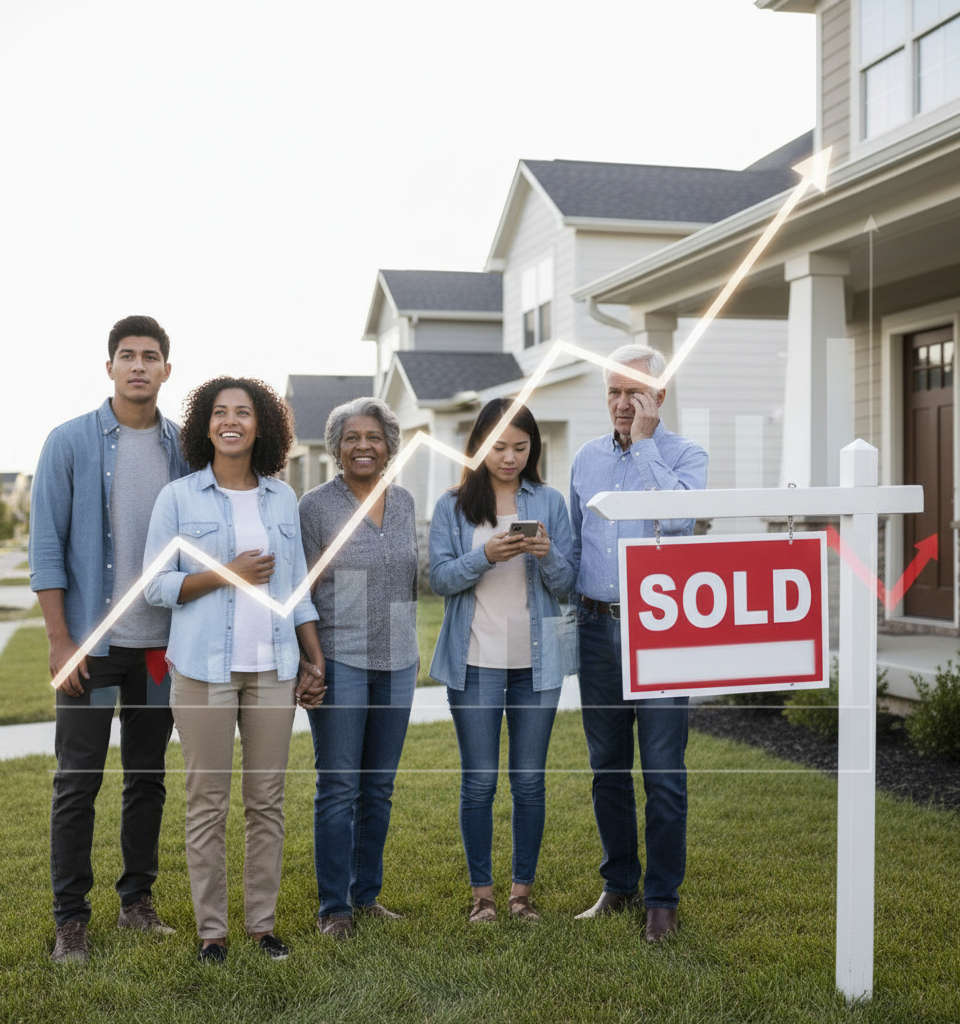
A new survey conducted by Unison, a leading home co-investment company, in collaboration with Harris Poll, has exposed a startling reality: 78% of Americans do not feel financially secure, even those who have actively engaged in future financial planning. This widespread sentiment of precariousness underscores a significant disconnect between traditional financial preparations and the profound sense of stability many individuals seek. The findings, released recently, suggest that while retirement accounts and savings plans are crucial, they often fall short of providing the comprehensive financial safety net that many Americans crave, pointing towards homeownership as a critical missing piece.
The Pervasive Landscape of Financial Worry
This pervasive financial anxiety is not a new phenomenon but has been exacerbated by recent economic volatilities, including inflation and interest rate hikes. Historically, the American dream has often been synonymous with homeownership, viewed as a cornerstone of wealth building and a hedge against economic downturns. However, escalating housing costs and a competitive market have made this dream increasingly unattainable for many, contributing to the current feeling of insecurity. The survey paints a stark picture of a nation grappling with the immediate pressures of daily expenses and long-term financial uncertainty, even as unemployment remains low and the stock market performs robustly.
Key Data Points and Demographics The Unison-Harris
Poll survey, which sampled 2,050 U.S. adults, revealed that a significant 37% of Americans cited simply "having a place to live" as a contributing factor to financial security, surpassing "having a savings account" at 30% and "being debt-free" at 29%. Among homeowners, a clear difference emerged: 52% reported feeling financially secure, in stark contrast to just 18% of renters. This disparity highlights the tangible benefits of homeownership beyond just shelter, encompassing wealth accumulation through equity, predictable housing costs, and a sense of permanence. Furthermore, the data indicated that 87% of homeowners believe their home contributes significantly to their financial security, emphasizing its role as a primary asset.
Impact on the Housing Market and Financial Industry
These findings have significant implications for both the housing market and the broader financial industry. The demand for homeownership, driven by its perceived link to financial security, is likely to remain strong, potentially exacerbating affordability challenges if supply does not keep pace. For financial institutions and advisors, the survey results suggest a need to broaden their advice beyond traditional investment vehicles to include strategies for homeownership, such as down payment assistance programs, shared equity models, or even innovative financing options. The report also highlights a generational divide, with younger Americans facing greater hurdles in achieving homeownership, which could perpetuate their feelings of financial insecurity well into their careers.
Expert Perspectives on Homeownership as Security Thomas S. Lee, CEO and co-founder of Unison, in a statement accompanying the report, emphasized,
"Although owning a home won't solve all financial issues, it can provide Americans with a sense of security that they aren't finding otherwise." Experts largely concur, pointing to the often-overlooked psychological benefits of homeownership, such as stability and control over one’s living situation, alongside its undeniable financial advantages. Dr. Jessica Johnson, a real estate economist, noted, "Home equity acts as a forced savings mechanism and can be a significant component of a household's net worth, providing a buffer against unexpected expenses and a foundation for retirement planning." She also added that while the market has its challenges, the long-term appreciation of real estate historically outperforms many other asset classes for the average consumer.
Future Implications and Paths Forward
The report underscores a critical need for policymakers, financial institutions, and the real estate industry to collaborate on solutions that make homeownership more accessible and sustainable. Initiatives such as expanding first-time homebuyer programs, exploring alternative ownership models like shared equity, or addressing supply-side constraints through zoning reforms could be crucial. Ultimately, helping more Americans achieve homeownership could be a powerful lever in alleviating the widespread financial insecurity currently plaguing the nation, fostering not just individual stability but also broader economic resilience. The evolving landscape suggests that the 'American Dream' of homeownership remains a potent aspiration, more so now as a perceived antidote to a pervasive sense of financial vulnerability.