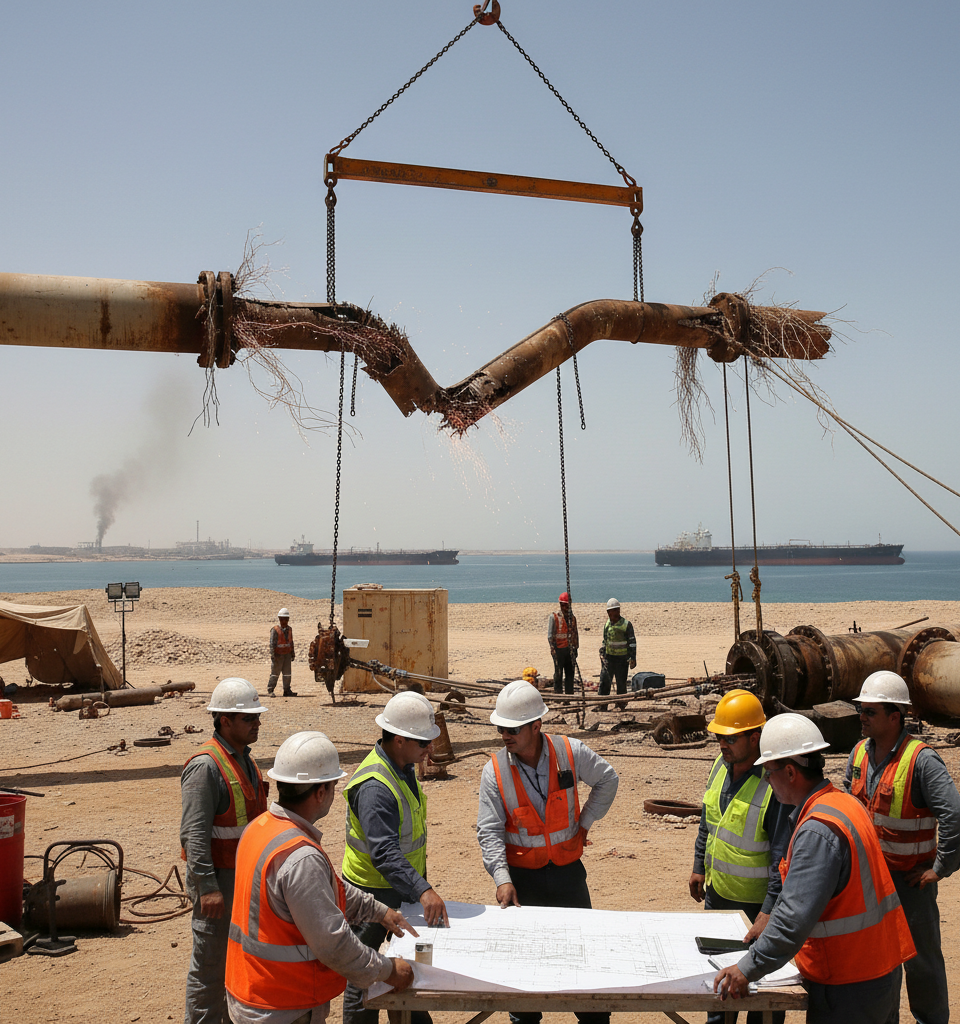
DUBAI, UAE – While an easing of geopolitical tensions or successful mitigation efforts might reopen the critical Strait of Hormuz, a key global energy chokepoint, consumers should not hold their breath for a swift decline in gasoline prices. Energy reporter Rebecca F. Elliott's analysis underscores a stark reality: even with a restored flow of energy through the Persian Gulf, the physical damage inflicted upon numerous oil and gas facilities will necessitate months, if not longer, of extensive repair work before production can normalize and influence market prices significantly.
The Lingering Aftermath: Why the Strait Alone Isn't Enough
For decades, the Strait of Hormuz, through which roughly one-third of the world's seaborne oil — approximately 21 million barrels per day — passes, has been a flashpoint for geopolitical tensions. Its closure or severe disruption consistently sends shockwaves through global energy markets, leading to immediate price spikes. However, the current scenario presents a more complex challenge. Recent incidents, ranging from drone attacks to maritime skirmishes, have reportedly caused damage to processing plants, pipelines, and storage facilities across the region. While the strait's navigability is paramount, the inability of damaged infrastructure to process or export crude oil renders its open status less impactful on immediate supply.
A Complex Web of Damage and Downtime
Detailed assessments, though often guarded by regional state-owned energy companies, indicate that repairs are not merely cosmetic. Sources within the industry suggest that damage ranges from damaged pumping stations to sophisticated control systems rendered inoperable. For instance, a major processing facility in Saudi Arabia, which typically handles millions of barrels of crude daily, could face a downtime of 3-6 months for comprehensive repairs and safety checks, even under optimal conditions. The sheer scale, involving dozens of disparate sites across multiple countries, complicates the prognosis, pushing the timeline for a full recovery well into the latter half of the year, potentially stretching into the next.
Global Market Jitters and Limited Strategic Reserves
The prolonged nature of repairs has profound implications for global energy markets. Oil futures, particularly for Brent and WTI crude, are likely to remain elevated, reflecting the persistent supply uncertainty. Traders are hedging against continued disruptions, maintaining a risk premium that directly translates to higher prices at the pump. While major consuming nations possess strategic petroleum reserves (SPRs), their impact is generally short-lived and designed for acute supply shocks, not extended periods of production shortfalls. Releasing SPRs might offer temporary relief, but it does not address the fundamental issue of diminished production capacity from the Persian Gulf.
Expert Consensus: A Marathon, Not a Sprint
Energy analysts are largely in agreement that the path to stable, lower prices is a long one. "Even if we see a complete cessation of hostilities and a guaranteed free flow through Hormuz tomorrow, the physical damage to upstream and midstream infrastructure means we're looking at a minimum of six months, and more realistically nine to twelve, before we see a full return to pre-incident production levels," commented Dr. Sarah Ahmed, a lead energy economist at the Riyadh-based Gulf Institute for Energy Studies. She added, "The supply chain for specialized parts and highly skilled labor also adds to the repair timeline, which is often underestimated."
Geopolitical Ripples and Future Supply Chain Resiliency
Beyond immediate price concerns, the protracted repair timeline underscores a deeper vulnerability in global energy supply chains. Importing nations are likely to intensify efforts to diversify energy sources and routes, potentially accelerating investments in renewable energy and alternative oil and gas suppliers. This incident serves as a stark reminder of the interconnectedness of geopolitical stability and economic prosperity, prompting ongoing discussions about energy independence and supply chain resiliency in capital cities worldwide.
The Road Ahead: Monitoring, Investment, and Potential Policy Shifts
Moving forward, market watchers will be closely monitoring the progress of repairs, looking for concrete signs of restored capacity rather than mere geopolitical de-escalation. International energy agencies will likely update their supply forecasts, potentially advocating for greater investment in energy infrastructure protection and redundancy. Governments may also face pressure to reassess their energy security policies, possibly including subsidies or tax breaks to cushion consumers from prolonged high energy costs. The long shadow of the Hormuz incidents will undoubtedly influence energy policy and investment for years to come, long after the last repair is completed.