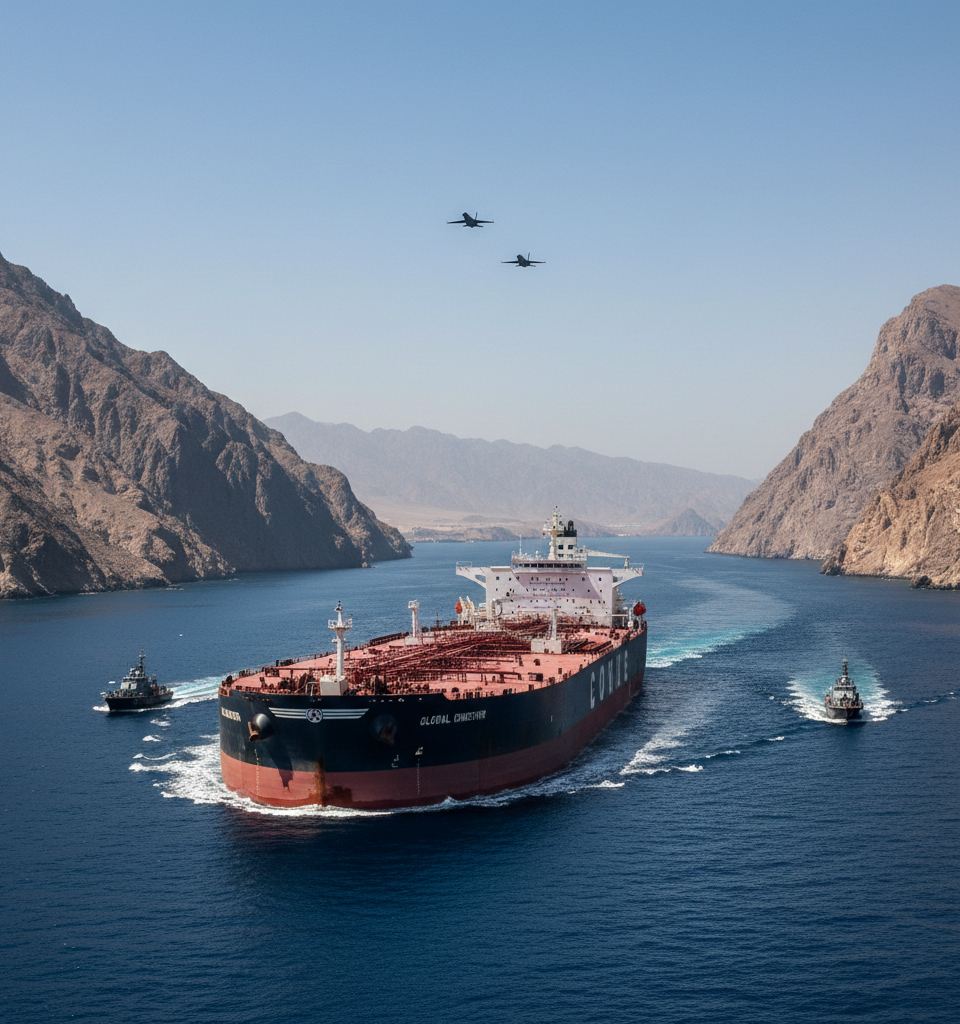
**Dubai, UAE – ** – International shipping and energy markets are bracing for potential turbulence as a proposed new levy for passage through the strategically vital Strait of Hormuz could escalate global oil prices by an estimated $1 per barrel. This significant cost increase, detailed in emerging shipping intelligence, would directly impact a critical artery for a substantial portion of the world's crude oil supply. The announcement arrives amidst a backdrop of ongoing geopolitical fragility in the Persian Gulf region, highlighted by the continued stranding of commercial container vessels following a recent, albeit fragile, U.S.-Iran ceasefire agreement.
The Geopolitical Crucible of Hormuz
The Strait of Hormuz, a narrow waterway connecting the Persian Gulf to the Arabian Sea and beyond, is paramount to global energy security. Annually, approximately one-fifth of the world's total crude oil consumption, alongside significant volumes of liquefied natural gas (LNG), transits through this chokepoint. Any impediment or additional cost imposed on this passage reverberates through international supply chains, affecting producers, refiners, and ultimately, end consumers. The historical volatility of the region, marked by past geopolitical incidents and threats to shipping, underscores the sensitivity of any new financial burden on vessels navigating its waters.
Unpacking the Proposed Toll and Its Immediate Impact
While specific details regarding the proposed toll's structure and the authority behind it remain partially opaque, industry assessments indicate a direct increase in operational costs for oil tankers and other commercial vessels. Preliminary calculations suggest that this new fee, irrespective of its final form, would translate to an additional $1 per barrel in crude oil transportation expenses. For a global market already grappling with inflationary pressures and supply chain disruptions, this figure is not insignificant. Furthermore, the persistent immobility of container ships in the Persian Gulf, a lingering consequence of the U.S.-Iran ceasefire, compounds concerns about broader shipping disruptions and the precedent such tolls might set for other critical maritime passages.
Broader Market Repercussions and Supply Chain Strain
The implications of such a toll extend far beyond the direct cost to shippers. For oil-importing nations, particularly those heavily reliant on Middle Eastern crude, the increase would directly translate into higher input costs for their economies, potentially fueling consumer price inflation. Energy companies, both upstream and downstream, would need to factor these elevated shipping expenses into their pricing strategies, impacting profit margins or necessitating price adjustments at the pump. The container shipping sector, already stretched from pandemic-era disruptions and ongoing port congestion, could also face pressure from any spillover effects, including potential diversions or increased insurance premiums for vessels operating in the region.
Expert Analysis: A Test of Global Energy Resilience
Energy market analysts are closely monitoring the situation. Dr. Elena Petrova, a senior fellow at the Global Energy Institute, commented, "A $1 per barrel increase might seem modest in isolation, but in a market finely balanced between supply and demand, and with geopolitical tensions persistently high, it can be the tipping point for significant price volatility. It's a direct tax on global trade and an indirect one on consumer wallets." She further added, "This move, if implemented, could prompt a reassessment of supply chain resilience and potentially accelerate investment in alternative energy sources or diversification of crude oil procurement strategies for some nations."
The Path Forward: Diplomacy, Negotiations, and Market Adaptation
The immediate future hinges on diplomatic efforts and negotiations surrounding the proposed toll. Stakeholders, including major oil-producing nations, international shipping associations, and global trade bodies, will likely engage in discussions aimed at understanding the rationale behind the levy and mitigating its economic impact. The global energy market will closely watch for any signs of direct or indirect retaliation, or efforts to circumvent the proposed fees. In the longer term, should these tolls become a permanent fixture, it could prompt some shippers and energy companies to explore alternative, albeit often longer and more expensive, routes around the Arabian Peninsula, further impacting the economics of global trade. The ability of the international community to navigate this new challenge in a fragile geopolitical landscape will be critical in shaping the stability of global energy markets in the coming months.
--