For high-net-worth individuals and developers in Southern California's luxury real estate markets, this proposed shift in national housing finance could profoundly impact local land use and investment strategies. A more robust national framework for preserving workforce housing might alleviate some pressure on suburban sprawl, potentially safeguarding the pristine character and property values in areas like Malibu, Calabasas, and Bel Air that often face development pressures from those priced out of urban centers.
Infrastructure-Style Financing Proposed for Workforce Housing Preservation
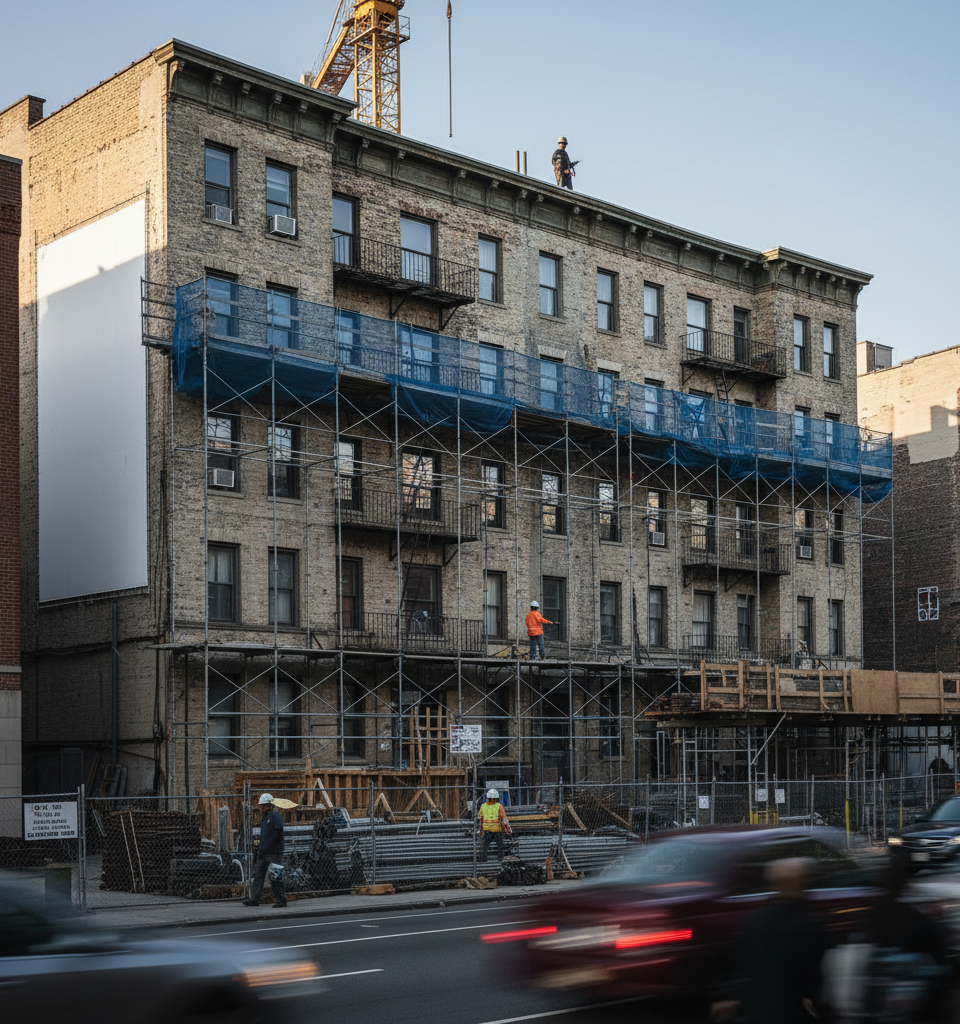
A critical new perspective suggests that the ongoing national housing crisis, marked by a dwindling supply of affordable homes and an aging housing stock, could find a solution in an unexpected place: infrastructure-like financing. This approach aims to preserve and rehabilitate existing workforce housing, which is increasingly vulnerable to disrepair or conversion to higher-income uses. The median age of housing stock across the U.S. currently stands at 45 years, underscoring the urgency of maintenance and modernization efforts to retain these crucial affordable units.
The Erosion of Affordable Housing Supply
The decline in affordable housing units has been a persistent challenge, exacerbating the broader housing crisis. Many existing affordable properties, often older and less aesthetically appealing, are frequently targeted for redevelopment into market-rate or luxury housing, further shrinking the supply for working families. This trend creates a domino effect, pushing demand upwards and impacting even adjacent higher-end markets. The proposal to treat workforce housing as essential social infrastructure, akin to roads or bridges, reflects a growing recognition of its fundamental role in economic stability and community health.
The ROAD to Housing Act and Its Implications
While the ROAD to Housing Act is mentioned, its specific provisions and how it integrates with this infrastructure-like financing model are not detailed in the provided information. However, its focus on this sector indicates legislative interest in finding sustainable solutions for workforce housing. The act likely seeks to introduce mechanisms or incentives that would support the long-term viability of these properties, potentially through new funding streams or regulatory frameworks. Such legislation could open doors for public-private partnerships, attracting capital that traditionally shies away from what are perceived as less profitable affordable housing ventures.
Market Impact and Investment Opportunities
Should this financing model gain traction, it could profoundly alter the dynamics of the housing market. For investors and developers, it might unlock a new asset class with potentially stable, long-term returns, supported by government-backed or infrastructure-style bonds. The preservation of workforce housing could help stabilize local economies by ensuring essential workers can afford to live near their jobs, reducing commute times, and fostering more vibrant communities. Conversely, a failure to address the erosion of affordable housing could lead to continued strain on urban and suburban infrastructure, increased congestion, and a broader economic slowdown.
The Path Forward: Addressing a National Challenge
The conceptualization of workforce housing as infrastructure represents a significant paradigm shift. It acknowledges that adequate housing is not merely a commodity but a foundational element of societal well-being and economic productivity. The challenge ahead will be to translate this concept into actionable policy and attract the necessary capital. Success in this endeavor could provide a durable solution to a critical national problem, safeguarding countless existing homes and ensuring that diverse communities can continue to thrive. Further details on the ROAD to Housing Act and other related legislative efforts will be crucial in understanding the practical implementation and potential efficacy of this innovative approach.