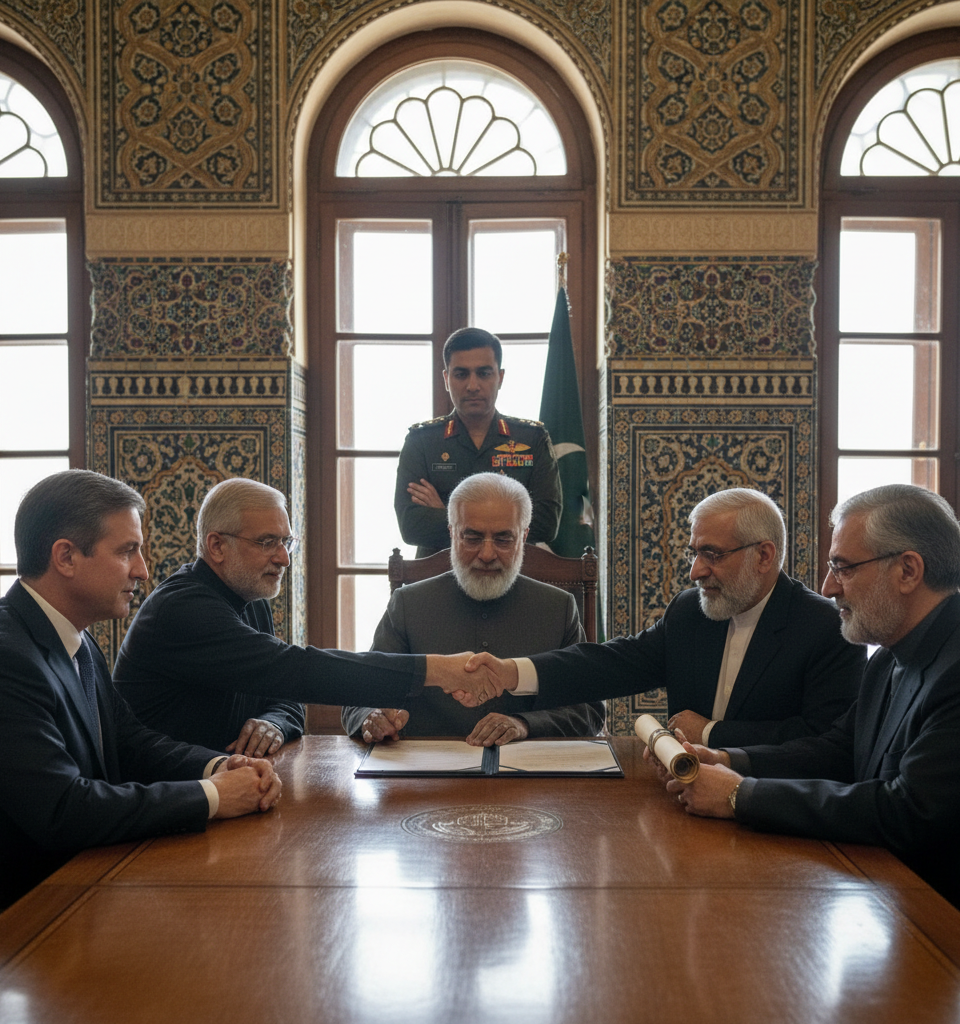
In a significant diplomatic maneuver, Pakistan has been instrumental in facilitating a fragile ceasefire agreement between the United States and Iran. This development, as reported by the BBC's Caroline Davies, highlights Pakistan's unique position and its capacity to act as a crucial intermediary in complex international disputes. The agreement, while tentative, marks a crucial de-escalation in tensions that have long threatened wider regional instability, particularly in the Middle East and South Asia.
The genesis of Pakistan's involvement lies in its deep-rooted historical and strategic relationship with Iran. Despite periods of strain, both nations share a long border, cultural connections, and cooperative interests, particularly concerning regional security and economic development. This established rapport provided Islamabad with an unparalleled degree of access and trust with Tehran, a critical factor that made its mediation efforts more effective than those of other potential international actors. The path to this agreement was far from straightforward, requiring extensive and delicate negotiations behind the scenes, often shielded from public scrutiny.
The Diplomatic Tightrope Walk
Pakistan's diplomatic corps navigated a complex geopolitical landscape, balancing its strategic alliance with the United States with its enduring ties to Iran. This delicate balancing act required precise communication and a nuanced understanding of both Washington's and Tehran's red lines and core demands. Sources close to the negotiations indicate that Pakistani officials engaged in intense shuttle diplomacy, ferrying proposals and counter-proposals between the two adversaries. The challenges were immense, given the deep-seated mistrust and recent hostilities that have characterized US-Iran relations for decades. The specific details of the ceasefire agreement remain largely undisclosed, but it is understood to involve commitments from both sides to cease certain hostile activities and engage in a structured dialogue process.
The success of Pakistan's intervention can be attributed to several factors. Firstly, its reputation as a non-aligned nation, despite its historical allegiances, lent credibility to its role as an impartial facilitator. Secondly, Pakistan's own security concerns, arising from potential regional conflict escalation, provided a strong impetus to actively seek de-escalation. Lastly, sustained pressure and encouragement from various international bodies and nations also likely played a part in encouraging both the US and Iran to consider a mediated solution facilitated by Islamabad.
Broader Regional and Geopolitical Implications
The implications of this ceasefire extend far beyond the immediate reduction in US-Iran tensions. For Pakistan, this diplomatic triumph burnishes its image as a responsible and influential regional power capable of contributing to global peace and stability. It could potentially open avenues for increased diplomatic engagement and collaboration on other pressing international issues. Regionally, the de-escalation could pave the way for greater stability in the Persian Gulf, potentially easing disruptions to global energy markets and fostering a more conducive environment for economic cooperation. Neighbors of both Iran and the US are likely to view this development positively, anticipating a reduction in proxy conflicts and heightened security.
However, the fragility of the ceasefire cannot be overstated. Decades of animosity and deeply entrenched ideological differences mean that any agreement is susceptible to breakdown. The true test of this diplomatic achievement will be its sustainability and whether it can evolve into more substantive dialogue and, eventually, a lasting peace. Observer nations and international organizations will be closely monitoring adherence to the ceasefire terms and the willingness of both parties to engage constructively moving forward. While the immediate outcome is a welcome respite, the path ahead remains fraught with potential pitfalls.
Looking Ahead: The Path to Lasting Peace
The immediate future will likely involve a period of cautious observation and confidence-building measures. Both the United States and Iran, through Pakistani channels or directly as trust grows, will need to establish mechanisms for de-confliction and communication to prevent accidental escalations. The international community, including major global powers, will likely play a role in reinforcing the ceasefire and encouraging further dialogue. Pakistan's continued involvement may be crucial in maintaining the momentum and addressing any emergent disagreements. The long-term objective, though ambitious, would be to transition from a mere halt in hostilities to a framework for peaceful coexistence and resolution of underlying grievances. The efforts spearheaded by Pakistan have laid a foundational, albeit delicate, stone in this challenging endeavor.